Laparoscopic Sleeve Gastrectomy
Laparoscopic Sleeve Gastrectomy
Dr. Sanjay Verma provides advanced Laparoscopic Sleeve Gastrectomy in Vasant Kunj for individuals struggling with obesity and obesity-related health conditions. This modern weight-loss surgery is one of the most effective bariatric procedures for achieving long-term and sustainable weight reduction. Using minimally invasive laparoscopic techniques, Dr. Sanjay Verma helps patients improve their health, confidence, and quality of life through safe and personalized obesity treatment.
Obesity is linked with serious medical conditions such as diabetes, hypertension, sleep apnea, joint pain, heart disease, and fatty liver disease. When diet, exercise, and medications fail to produce long-term results, Laparoscopic Sleeve Gastrectomy becomes an effective surgical solution. The procedure reduces the size of the stomach, helping patients eat less, feel full earlier, and achieve healthy weight loss naturally.
What is Laparoscopic Sleeve Gastrectomy?
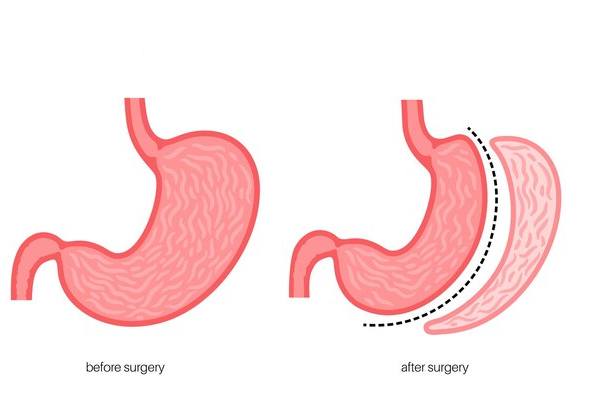
Laparoscopic Sleeve Gastrectomy, also known as gastric sleeve surgery, is a minimally invasive bariatric procedure in which a large portion of the stomach is surgically removed. The remaining stomach is shaped into a narrow tube or “sleeve,” significantly reducing its capacity.
This smaller stomach limits food intake and also decreases the production of hunger hormones, helping patients control appetite more effectively. The surgery is performed using laparoscopic methods through small incisions, resulting in less pain, faster recovery, and minimal scarring.
Laparoscopic Sleeve Gastrectomy is considered one of the most popular and successful bariatric surgeries for long-term weight management.
How Laparoscopic Sleeve Gastrectomy Helps
Laparoscopic Sleeve Gastrectomy helps patients by:
- Reducing stomach size and limiting food intake
- Helping patients feel full quickly
- Reducing hunger hormone production
- Supporting long-term weight loss
- Improving metabolism and energy levels
- Controlling obesity-related diseases
- Enhancing mobility and physical fitness
- Improving confidence and emotional well-being
This procedure helps patients adopt healthier eating habits and maintain better lifestyle control.
Importance and Benefits of Laparoscopic Sleeve Gastrectomy
Significant Weight Loss
Patients can achieve substantial and sustainable weight loss within the first year after surgery.
Minimally Invasive Technique
The laparoscopic approach uses small incisions, leading to faster healing and reduced postoperative discomfort.
Improved Obesity-Related Conditions
Weight loss after surgery may improve:
- Type 2 diabetes
- High blood pressure
- Sleep apnea
- High cholesterol
- Joint and back pain
- Fatty liver disease
Reduced Appetite
The surgery lowers the production of ghrelin, the hunger hormone, helping patients feel less hungry.
Better Quality of Life
Patients often experience improved self-confidence, mobility, social life, and mental health.
No Intestinal Bypass
Unlike some bariatric procedures, Sleeve Gastrectomy does not involve rerouting the intestines.
Treatment and Procedure
Initial Consultation
Dr. Sanjay Verma performs a complete assessment including:
- BMI and obesity evaluation
- Medical history review
- Blood tests and imaging
- Nutritional assessment
- Evaluation of obesity-related conditions
Pre-Surgery Preparation
Patients may be advised:
- Weight management counseling
- Dietary modifications
- Lifestyle improvements
- Fitness recommendations
- Psychological evaluation if needed
Surgical Procedure
The surgery is performed under general anesthesia using advanced laparoscopic techniques.
Procedure Steps:
- Small incisions are made in the abdomen.
- A laparoscope and surgical instruments are inserted.
- Approximately 70–80% of the stomach is removed.
- The remaining stomach is converted into a sleeve-shaped pouch.
- The incisions are closed carefully.
The procedure generally takes around 1–2 hours.
Recovery After Sleeve Gastrectomy
Hospital Stay
Most patients stay in the hospital for 1–3 days after surgery.
Post-Surgery Diet
Recovery includes gradual dietary progression:
- Clear liquids
- Protein-rich liquid diet
- Soft foods
- Regular healthy meals
Physical Activity
Light walking is encouraged soon after surgery, while strenuous activities can be resumed gradually.
Follow-Up Care
Regular follow-up appointments help monitor:
- Weight loss progress
- Nutritional health
- Lifestyle adjustments
- Overall recovery
Who is a Suitable Candidate for Sleeve Gastrectomy?
You may be an ideal candidate if:
- You are obese or severely overweight
- Diet and exercise have not worked effectively
- You suffer from obesity-related health problems
- You are committed to lifestyle and dietary changes
- Your BMI meets bariatric surgery recommendations
Dr. Sanjay Verma carefully evaluates each patient before recommending surgery.
Risks and Safety Measures
Like all surgeries, Sleeve Gastrectomy may carry some risks such as:
- Infection
- Bleeding
- Acid reflux
- Nutritional deficiencies
- Leakage from the staple line
However, with experienced surgical care and proper follow-up, complications are minimized and outcomes are highly successful.
Lifestyle Changes After Surgery
For successful long-term results, patients should:
- Follow a healthy diet
- Eat smaller portions
- Avoid high-calorie foods
- Exercise regularly
- Take recommended supplements
- Stay hydrated
- Attend regular medical follow-ups
Healthy lifestyle habits are essential for maintaining weight loss and overall wellness.
Why Choose Dr. Sanjay Verma in Vasant Kunj?
Experienced Bariatric Surgeon
Dr. Sanjay Verma specializes in advanced laparoscopic and bariatric procedures with excellent patient outcomes.
Advanced Minimally Invasive Surgery
Modern laparoscopic techniques ensure precision, safety, and faster recovery.
Personalized Obesity Treatment
Each patient receives individualized treatment planning and nutritional guidance.
Comprehensive Bariatric Care
Complete support is provided from diagnosis and surgery to long-term follow-up care.
Patient-Focused Approach
Special attention is given to patient safety, comfort, and long-term success.
Trusted Weight Loss Expert in Vasant Kunj
Patients trust Dr. Sanjay Verma for safe, effective, and compassionate obesity management solutions.
Frequently Asked Questions (FAQs)
1. How much weight can I lose after Sleeve Gastrectomy?
Most patients lose a significant amount of excess weight within 12–18 months after surgery.
2. Is Sleeve Gastrectomy a permanent procedure?
Yes, the removed portion of the stomach cannot be restored, making it a permanent bariatric surgery.
3. Is Laparoscopic Sleeve Gastrectomy safe?
Yes, when performed by an experienced surgeon like Dr. Sanjay Verma, it is considered a safe and effective procedure.
4. How long is the recovery period?
Most patients can return to normal daily activities within 2–3 weeks after surgery.
5. Will I need to follow a special diet after surgery?
Yes, patients must follow a structured diet plan and maintain healthy eating habits for long-term success.