
Whipple Procedure
Whipple Procedure
Dr. Sanjay Verma offers advanced Whipple Procedure in Vasant Kunj for patients suffering from pancreatic, bile duct, and upper gastrointestinal diseases. The Whipple Procedure, also known as Pancreaticoduodenectomy, is a highly specialized and complex surgery performed to treat cancers and other serious conditions affecting the pancreas, bile duct, duodenum, and nearby organs. Using advanced surgical techniques and comprehensive patient care, Dr. Sanjay Verma provides safe and effective treatment aimed at improving survival, digestion, and overall quality of life.
Diseases affecting the pancreas and surrounding digestive organs can cause severe abdominal pain, jaundice, weight loss, digestive problems, and life-threatening complications. The Whipple Procedure is considered one of the most effective surgical treatments for pancreatic cancer and related conditions when diagnosed at an operable stage. With expert surgical planning, advanced laparoscopic techniques in selected cases, and dedicated postoperative care, patients can achieve better recovery and long-term outcomes.
What is the Whipple Procedure?
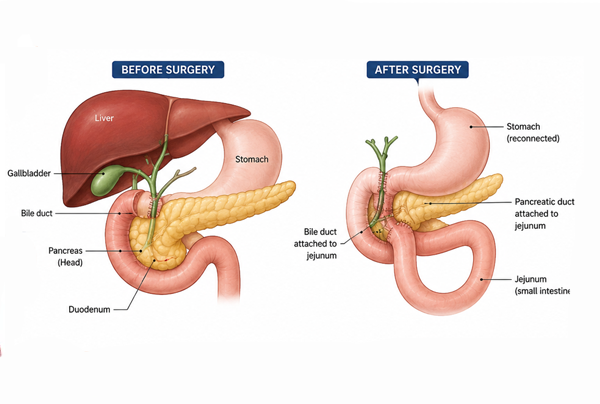
The Whipple Procedure is a major surgical operation in which the head of the pancreas, a portion of the small intestine (duodenum), gallbladder, bile duct, and sometimes part of the stomach are removed. After removal of the diseased organs, the digestive system is carefully reconstructed to restore the normal flow of food, bile, and digestive enzymes.
The surgery is commonly performed for:
- Pancreatic cancer
- Cancer of the bile duct
- Ampullary cancer
- Duodenal tumors
- Pancreatic cysts or tumors
- Chronic pancreatitis in selected cases
This complex surgery requires specialized expertise and careful postoperative management.
How the Whipple Procedure Helps
The Whipple Procedure helps patients by:
- Removing cancerous or diseased tissue
- Preventing disease progression
- Improving bile flow and digestion
- Relieving jaundice and abdominal discomfort
- Improving nutritional intake
- Enhancing quality of life
- Increasing survival chances in cancer patients
- Supporting better digestive function after reconstruction
The procedure plays a crucial role in the treatment of pancreatic and upper abdominal cancers.
Importance and Benefits of the Whipple Procedure
Effective Cancer Treatment
The Whipple Procedure is one of the most important curative surgeries for pancreatic and periampullary cancers.
Relief from Obstructive Symptoms
Patients often experience improvement in:
- Jaundice
- Vomiting
- Abdominal pain
- Digestive obstruction
Improved Quality of Life
After recovery, many patients experience better digestion, appetite, and physical well-being.
Advanced Surgical Techniques
Modern surgical methods help provide:
- Better precision
- Reduced complications
- Improved postoperative recovery
- Safer outcomes in selected patients
Comprehensive Disease Management
The surgery is often combined with chemotherapy or radiation therapy for optimal cancer treatment.
Symptoms That May Require a Whipple Procedure
Patients may require evaluation if they experience:
- Persistent abdominal pain
- Unexplained weight loss
- Yellowing of the skin or eyes (jaundice)
- Loss of appetite
- Vomiting or digestive blockage
- Pancreatic or bile duct tumors
- Chronic pancreatitis complications
Early diagnosis can significantly improve surgical outcomes.
Treatment and Procedure
Initial Consultation and Evaluation
Dr. Sanjay Verma performs a detailed assessment including:
- Medical history review
- CT scan or MRI
- Blood investigations
- Endoscopy or ERCP if required
- Biopsy reports
- Cancer staging evaluation
Pre-Surgical Preparation
Patients may require:
- Nutritional optimization
- Diabetes management
- Lifestyle modifications
- Preoperative fitness evaluation
- Management of jaundice if present
Surgical Procedure
The surgery is performed under general anesthesia.
Procedure Steps:
- The diseased portion of the pancreas is identified.
- The head of the pancreas, duodenum, gallbladder, and bile duct are removed.
- In some cases, part of the stomach may also be removed.
- The digestive tract is reconstructed carefully.
- Surgical connections are checked before closure.
The procedure usually takes several hours depending on complexity.
Recovery After the Whipple Procedure
Hospital Stay
Patients usually require several days of hospital monitoring after surgery.
Nutritional Support
Recovery may include:
- Liquid diets initially
- Feeding support if required
- Gradual introduction of soft and solid foods
Physical Recovery
Recovery includes:
- Pain management
- Breathing exercises
- Gradual mobility and walking
- Monitoring for complications
Long-Term Follow-Up
Regular follow-up helps monitor:
- Digestive function
- Nutritional health
- Diabetes control
- Cancer surveillance if applicable
Risks and Safety Measures
Like all major surgeries, the Whipple Procedure may involve certain risks such as:
- Infection
- Bleeding
- Leakage from surgical connections
- Delayed stomach emptying
- Digestive problems
- Diabetes-related issues
- Nutritional deficiencies
However, experienced surgical care and advanced postoperative management significantly improve safety and outcomes.
Lifestyle and Diet After Surgery
Patients are usually advised to:
- Eat smaller frequent meals
- Follow a balanced nutritious diet
- Take pancreatic enzyme supplements if needed
- Maintain hydration
- Avoid smoking and alcohol
- Attend regular medical follow-up visits
Long-term lifestyle adjustments help improve recovery and digestive health.
Why Choose Dr. Sanjay Verma in Vasant Kunj?
Expertise in Gastrointestinal and HPB Surgery
Dr. Sanjay Verma specializes in complex pancreatic and gastrointestinal surgical procedures.
Advanced Surgical Technology
Modern surgical techniques help ensure safer and more precise treatment.
Personalized Treatment Planning
Every patient receives individualized care and comprehensive postoperative support.
Comprehensive Cancer and Digestive Care
Complete management is provided from diagnosis to surgery and recovery.
Patient-Centered Approach
Special attention is given to patient safety, comfort, and long-term wellness.
Trusted Surgical Care in Vasant Kunj
Patients trust Dr. Sanjay Verma for compassionate and advanced gastrointestinal surgical treatment.
Frequently Asked Questions (FAQs)
1. What is the Whipple Procedure?
The Whipple Procedure is a major surgery performed to remove diseased portions of the pancreas, bile duct, and nearby digestive organs.
2. Why is the Whipple Procedure performed?
It is commonly performed for pancreatic cancer, bile duct tumors, ampullary cancer, and certain pancreatic diseases.
3. Is the Whipple Procedure a major surgery?
Yes, it is a complex and highly specialized gastrointestinal surgery requiring expert surgical care.
4. How long does recovery take after the Whipple Procedure?
Recovery varies by patient, but complete recovery may take several weeks to months.
5. Can patients live a normal life after the Whipple Procedure?
Many patients can return to normal daily activities and maintain a good quality of life with proper recovery and follow-up care.