
Laparoscopy For Pseudopancreatic Cysts
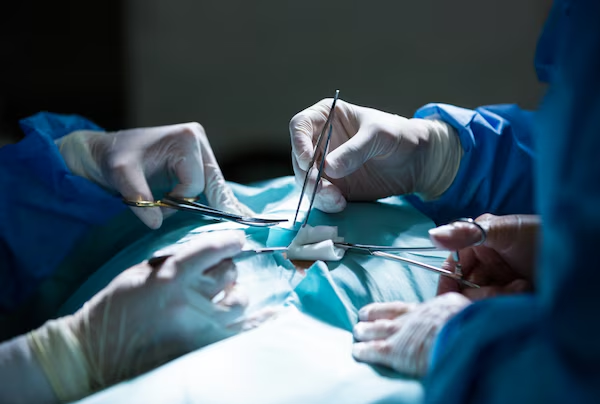
Laparoscopy For Pseudopancreatic Cysts
Dr. Sanjay Verma offers advanced Laparoscopy for Pseudopancreatic Cysts in Vasant Kunj for patients suffering from pancreatic fluid collections, abdominal pain, and complications related to pancreatitis. Pseudopancreatic cysts, commonly known as pancreatic pseudocysts, are fluid-filled sacs that develop near the pancreas, usually after acute or chronic pancreatitis, pancreatic injury, or inflammation. These cysts may cause severe abdominal discomfort, digestive problems, infection, nausea, vomiting, and pressure on nearby organs if left untreated.
Using advanced minimally invasive laparoscopic techniques, Dr. Sanjay Verma provides safe and effective surgical treatment for pancreatic pseudocysts with smaller incisions, reduced pain, faster recovery, and minimal postoperative complications. Laparoscopic surgery helps drain the cyst effectively, relieve symptoms, prevent recurrence, and improve overall pancreatic and digestive health. Early diagnosis and timely treatment are important to avoid serious complications and preserve pancreatic function.
What are Pseudopancreatic Cysts?
Pseudopancreatic cysts are abnormal fluid collections that develop around the pancreas. Unlike true cysts, these pseudocysts do not have a proper epithelial lining and are usually filled with pancreatic enzymes, inflammatory fluid, and debris.
They most commonly occur due to:
- Acute pancreatitis
- Chronic pancreatitis
- Pancreatic trauma or injury
- Alcohol-related pancreatic disease
- Gallstone-related pancreatitis
- Pancreatic duct leakage
The cysts can vary in size and may grow large enough to compress nearby organs, causing pain and digestive disturbances.
How Laparoscopy for Pseudopancreatic Cysts Helps
Laparoscopic surgery helps patients by:
- Draining pancreatic pseudocysts effectively
- Relieving abdominal pain and pressure
- Preventing infection and rupture
- Improving digestion and appetite
- Reducing nausea and vomiting
- Preventing recurrence of fluid collections
- Preserving pancreatic function
- Enhancing overall quality of life
The minimally invasive laparoscopic approach allows quicker recovery and reduced surgical trauma.
Importance and Benefits of Laparoscopic Surgery for Pancreatic Pseudocysts
Minimally Invasive Procedure
Laparoscopic surgery offers:
- Smaller incisions
- Less postoperative pain
- Faster recovery
- Reduced blood loss
- Minimal scarring
Effective Cyst Drainage
The procedure allows proper internal drainage of the cyst into the stomach or intestine.
Reduced Risk of Complications
Timely treatment helps prevent:
- Infection
- Rupture
- Bleeding
- Pancreatic damage
Faster Hospital Recovery
Patients usually recover more quickly compared to open surgery.
Better Digestive Function
Many patients experience improved appetite, digestion, and abdominal comfort after surgery.
Improved Quality of Life
The surgery helps relieve chronic discomfort and recurrent pancreatic symptoms.
Symptoms of Pseudopancreatic Cysts
Patients with pancreatic pseudocysts may experience:
- Persistent abdominal pain
- Abdominal swelling or fullness
- Nausea and vomiting
- Fever in case of infection
- Loss of appetite
- Difficulty eating
- Weight loss
- Back pain
- Digestive discomfort
Large or infected cysts may cause serious complications and require urgent medical attention.
Causes and Risk Factors
Pancreatic pseudocysts commonly develop due to:
- Acute pancreatitis
- Chronic alcohol-related pancreatitis
- Gallstones
- Pancreatic injury or trauma
- Pancreatic duct obstruction
- Recurrent pancreatic inflammation
Proper management of pancreatitis can reduce the risk of pseudocyst formation.
Diagnosis of Pancreatic Pseudocysts
Accurate diagnosis is important before treatment planning.
Ultrasound
Helps detect fluid collections around the pancreas.
CT Scan
Provides detailed information about cyst size, location, and complications.
MRI or MRCP
Evaluates pancreatic ducts and surrounding structures.
Endoscopic Ultrasound (EUS)
May help assess cyst contents and guide treatment planning.
Blood Investigations
Used to evaluate pancreatic function and infection.
Dr. Sanjay Verma performs a detailed evaluation before recommending surgery.
Treatment Options for Pancreatic Pseudocysts
Treatment depends on the size, symptoms, and complications of the cyst.
Observation
Small, asymptomatic cysts may be monitored regularly.
Endoscopic Drainage
Selected cysts may be drained endoscopically.
Percutaneous Drainage
A catheter may be inserted through the skin in certain cases.
Laparoscopic Surgery
Large, symptomatic, infected, or recurrent cysts are often best treated with laparoscopic drainage surgery.
Laparoscopic Procedure for Pseudopancreatic Cysts
Surgical Procedure
The surgery is performed under general anesthesia using advanced laparoscopic techniques.
Procedure Steps:
- Small incisions are made in the abdomen.
- A laparoscope and specialized instruments are inserted.
- The pancreatic pseudocyst is identified carefully.
- Internal drainage is created between the cyst and stomach or intestine.
- Fluid and debris are drained completely.
- The surgical area is inspected and closed carefully.
The procedure may involve:
- Cystogastrostomy
- Cystojejunostomy
- Cystoduodenostomy
depending on the cyst location.
Recovery After Laparoscopic Surgery
Hospital Stay
Patients usually stay in the hospital for a few days after surgery.
Postoperative Care
Recovery may include:
- Pain management
- Gradual dietary progression
- Monitoring pancreatic function
- Hydration and nutritional support
- Walking and breathing exercises
Follow-Up Care
Regular follow-up appointments help monitor:
- Cyst resolution
- Pancreatic health
- Digestive recovery
- Prevention of recurrence
Risks and Safety Measures
Like all surgeries, laparoscopic pancreatic pseudocyst surgery may involve certain risks such as:
- Infection
- Bleeding
- Leakage of pancreatic fluid
- Recurrence of the cyst
- Injury to nearby organs
- Digestive complications
However, experienced laparoscopic surgical care significantly improves safety and successful outcomes.
Lifestyle and Dietary Recommendations
Patients are usually advised to:
- Avoid alcohol completely
- Follow a low-fat nutritious diet
- Stay hydrated
- Avoid smoking
- Maintain regular follow-up visits
- Follow pancreatic health recommendations carefully
Healthy lifestyle changes play an important role in preventing recurrent pancreatic disease.
Why Choose Dr. Sanjay Verma in Vasant Kunj?
Expertise in Pancreatic and GI Surgery
Dr. Sanjay Verma specializes in advanced hepatobiliary, pancreatic, and gastrointestinal surgeries.
Advanced Minimally Invasive Techniques
Modern laparoscopic technology ensures precision, safety, and faster recovery.
Personalized Treatment Planning
Every patient receives individualized diagnosis, treatment, and postoperative care.
Comprehensive Pancreatic Disease Management
Complete care is provided from diagnosis to surgery and long-term follow-up.
Patient-Centered Approach
Special attention is given to patient comfort, safety, and successful recovery.
Trusted GI and Pancreatic Surgeon in Vasant Kunj
Patients trust Dr. Sanjay Verma for compassionate and advanced pancreatic surgical treatment solutions.
Frequently Asked Questions (FAQs)
1. What is a pancreatic pseudocyst?
A pancreatic pseudocyst is a fluid-filled sac that develops near the pancreas, usually after pancreatitis or pancreatic injury.
2. When is laparoscopic surgery needed for pancreatic pseudocysts?
Surgery is recommended when the cyst becomes large, painful, infected, or causes digestive complications.
3. Is laparoscopic surgery for pancreatic pseudocysts safe?
Yes, when performed by an experienced surgeon like Dr. Sanjay Verma, it is considered safe and effective.
4. How long does recovery take after surgery?
Most patients gradually recover over a few weeks depending on overall health and pancreatic condition.
5. Can pancreatic pseudocysts recur after treatment?
Recurrence is possible in some cases, but proper treatment and lifestyle modifications help reduce the risk significantly.