Laparoscopic For Rectal Prolapse
Laparoscopic For Rectal Prolapse
Dr. Sanjay Verma offers advanced Laparoscopic Surgery for Rectal Prolapse in Vasant Kunj for patients suffering from rectal protrusion, bowel dysfunction, and chronic pelvic floor disorders. Rectal prolapse is a condition in which the rectum slips down and protrudes through the anus due to weakening of the supporting muscles and tissues of the pelvis. The condition can cause discomfort, difficulty passing stool, fecal incontinence, bleeding, constipation, and significant impact on daily life and confidence.
Using modern minimally invasive laparoscopic techniques, Dr. Sanjay Verma provides safe and effective treatment for rectal prolapse with smaller incisions, reduced pain, faster recovery, and improved long-term bowel function. Laparoscopic rectal prolapse surgery helps restore the rectum to its normal position, strengthen pelvic support, and improve overall digestive and bowel health. Early treatment can prevent worsening symptoms and complications while significantly improving quality of life.
What is Rectal Prolapse?
Rectal prolapse is a condition where the rectum, which is the final part of the large intestine, loses its normal support and slips downward through the anus. The prolapse may occur partially or completely depending on severity.
Types of rectal prolapse include:
- Partial mucosal prolapse
- Complete rectal prolapse
- Internal rectal prolapse
The condition commonly affects older adults but may also occur in younger individuals with chronic bowel disorders or pelvic floor weakness.
How Laparoscopic Surgery for Rectal Prolapse Helps
Laparoscopic surgery helps patients by:
- Restoring the rectum to its normal anatomical position
- Improving bowel control and function
- Reducing constipation and straining
- Preventing rectal protrusion during bowel movements
- Relieving pain and discomfort
- Improving fecal incontinence in many patients
- Strengthening pelvic support structures
- Enhancing overall quality of life and confidence
The minimally invasive approach allows quicker healing and less surgical trauma.
Importance and Benefits of Laparoscopic Rectal Prolapse Surgery
Minimally Invasive Procedure
Laparoscopic surgery offers:
- Smaller incisions
- Less postoperative pain
- Faster recovery
- Minimal blood loss
- Reduced scarring
Better Functional Outcomes
Many patients experience improved bowel habits and reduced incontinence after surgery.
Reduced Hospital Stay
Patients usually recover faster compared to traditional open surgery.
Lower Risk of Recurrence
Advanced surgical techniques help reduce the chances of prolapse recurrence.
Improved Daily Comfort
The surgery relieves discomfort, embarrassment, and hygiene problems associated with rectal prolapse.
Enhanced Quality of Life
Patients often regain confidence and normal bowel function after recovery.
Symptoms of Rectal Prolapse
Patients with rectal prolapse may experience:
- Protrusion of tissue from the anus
- Difficulty controlling bowel movements
- Chronic constipation
- Straining during bowel movements
- Rectal bleeding
- Mucus discharge
- Feeling of incomplete bowel emptying
- Pain or discomfort in the rectal area
- Fecal incontinence
Persistent symptoms should be evaluated by a colorectal specialist.
Causes and Risk Factors
Rectal prolapse may develop due to:
- Weak pelvic floor muscles
- Chronic constipation and straining
- Aging-related tissue weakness
- Multiple childbirths
- Neurological disorders
- Chronic diarrhea
- Previous pelvic surgery
- Connective tissue disorders
Long-standing bowel dysfunction can increase the risk of prolapse.
Diagnosis of Rectal Prolapse
Accurate diagnosis is important before treatment planning.
Physical Examination
Helps assess the severity and type of prolapse.
Colonoscopy
May be advised to evaluate associated colorectal conditions.
Defecography
Special imaging study used to assess bowel function and prolapse.
MRI Pelvis
Provides detailed pelvic floor evaluation in selected cases.
Anorectal Manometry
Measures anal sphincter and rectal muscle function.
Dr. Sanjay Verma performs a detailed evaluation before recommending surgery.
Treatment Options for Rectal Prolapse
Treatment depends on severity, age, symptoms, and overall health.
Conservative Management
Mild cases may improve with:
- High-fiber diet
- Stool softeners
- Pelvic floor exercises
- Constipation management
Surgical Treatment
Advanced or complete prolapse usually requires surgery for long-term correction.
Laparoscopic surgery is considered one of the most effective modern treatment approaches.
Laparoscopic Rectal Prolapse Surgery Procedure
What is Laparoscopic Rectopexy?
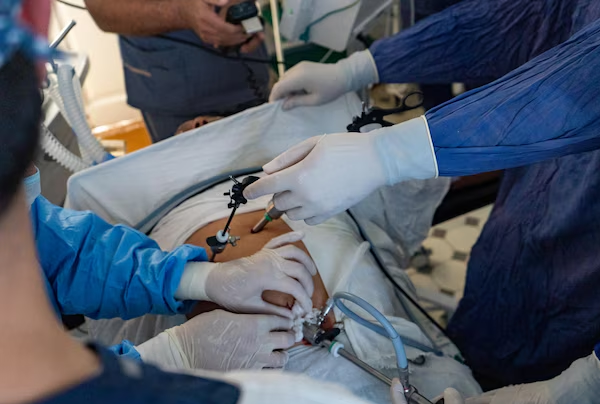
Laparoscopic Rectopexy is a minimally invasive surgery performed to reposition and secure the rectum inside the pelvis.
In some cases, bowel resection may also be performed if severe constipation or redundant colon is present.
Procedure Steps
The surgery is performed under general anesthesia.
Surgical Process:
- Small incisions are made in the abdomen.
- A laparoscope and specialized instruments are inserted.
- The rectum is carefully mobilized and repositioned.
- The rectum is secured to supportive pelvic structures.
- Mesh reinforcement may be used in selected cases.
- The surgical area is inspected carefully.
- Incisions are closed after ensuring proper hemostasis.
The duration of surgery depends on the severity and complexity of the prolapse.
Recovery After Laparoscopic Surgery
Hospital Stay
Most patients stay in the hospital for a few days after surgery.
Postoperative Recovery
Recovery may include:
- Pain management
- Gradual dietary progression
- Early walking and physical activity
- Bowel function monitoring
- Prevention of constipation
Follow-Up Care
Regular follow-up appointments help monitor:
- Healing progress
- Bowel function improvement
- Recurrence prevention
- Pelvic floor health
Risks and Safety Measures
Like all surgeries, laparoscopic rectal prolapse surgery may involve certain risks such as:
- Infection
- Bleeding
- Constipation
- Temporary bowel dysfunction
- Injury to nearby organs
- Recurrence of prolapse in rare cases
However, advanced laparoscopic techniques and experienced colorectal surgical care significantly improve safety and successful outcomes.
Lifestyle and Dietary Recommendations
Patients are usually advised to:
- Follow a high-fiber healthy diet
- Drink adequate water
- Avoid chronic straining during bowel movements
- Maintain regular physical activity
- Perform pelvic floor strengthening exercises
- Attend regular follow-up visits
Healthy bowel habits help support long-term surgical success.
Why Choose Dr. Sanjay Verma in Vasant Kunj?
Expertise in Colorectal and Pelvic Floor Surgery
Dr. Sanjay Verma specializes in advanced colorectal and minimally invasive gastrointestinal surgeries.
Advanced Laparoscopic Techniques
Modern surgical technology ensures precision, safety, and faster recovery.
Personalized Treatment Planning
Every patient receives individualized diagnosis, treatment, and postoperative care.
Comprehensive Rectal Prolapse Management
Complete care is provided from evaluation to surgery and long-term follow-up.
Patient-Centered Care
Special attention is given to patient comfort, dignity, and successful recovery.
Trusted Colorectal Surgeon in Vasant Kunj
Patients trust Dr. Sanjay Verma for compassionate and advanced treatment of rectal prolapse and bowel disorders.
Frequently Asked Questions (FAQs)
1. What is rectal prolapse?
Rectal prolapse is a condition where the rectum slips out through the anus due to weakening of pelvic support structures.
2. What is laparoscopic rectopexy?
It is a minimally invasive surgery used to reposition and secure the rectum inside the pelvis.
3. Is laparoscopic surgery for rectal prolapse safe?
Yes, when performed by an experienced surgeon like Dr. Sanjay Verma, it is considered safe and highly effective.
4. How long does recovery take after surgery?
Most patients recover gradually over a few weeks depending on their overall health and severity of prolapse.
5. Can rectal prolapse recur after surgery?
Recurrence is possible in some cases, but advanced laparoscopic techniques help reduce the risk significantly.