
Stapled Transanal Rectal Resection
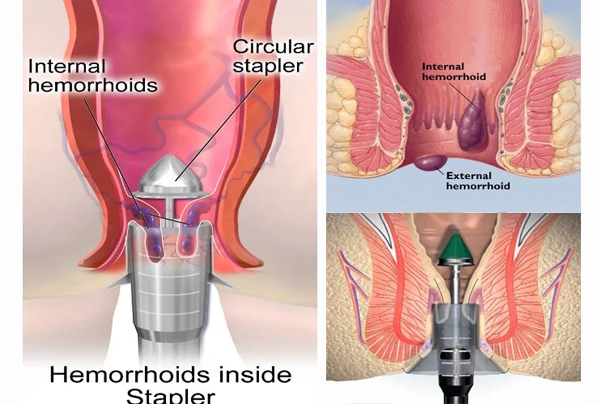
Stapled Transanal Rectal Resection
Dr. Sanjay Verma offers advanced STARR (Stapled Trans-Anal Rectal Resection) in Vasant Kunj for patients suffering from chronic constipation, obstructed defecation syndrome (ODS), rectocele, and internal rectal prolapse. Many patients experience difficulty passing stool despite excessive straining, incomplete bowel emptying, and persistent discomfort that significantly affects daily life and overall health. When conservative treatment options fail to provide relief, STARR surgery can offer an effective minimally invasive solution.
STARR is a specialized trans-anal surgical procedure designed to correct structural abnormalities of the rectum responsible for obstructed bowel movements. Using advanced stapling technology, Dr. Sanjay Verma performs safe and effective STARR procedures with precision and minimal surgical trauma. The surgery helps restore normal bowel function, reduce constipation-related symptoms, and improve overall quality of life with faster recovery and less postoperative discomfort.
What is STARR (Stapled Trans-Anal Rectal Resection)?
STARR (Stapled Trans-Anal Rectal Resection) is a minimally invasive colorectal surgical procedure performed through the anal canal without external abdominal incisions. The surgery is mainly used to treat:
- Obstructed Defecation Syndrome (ODS)
- Internal rectal prolapse
- Rectocele
- Chronic constipation caused by rectal structural abnormalities
The procedure involves removal of excess rectal tissue using a circular stapling device. This helps restore normal rectal anatomy and improves bowel emptying.
STARR surgery is especially beneficial for patients who suffer from chronic straining and incomplete evacuation despite medical treatment.
How STARR Surgery Helps
STARR surgery helps patients by:
- Improving bowel emptying
- Reducing chronic constipation
- Relieving excessive straining during bowel movements
- Correcting internal rectal prolapse
- Treating rectocele-related symptoms
- Improving rectal function and bowel control
- Reducing discomfort and pelvic pressure
- Enhancing overall quality of life
The procedure is performed through the anus, avoiding large abdominal incisions and promoting quicker recovery.
Importance and Benefits of STARR Surgery
Minimally Invasive Trans-Anal Procedure
STARR surgery does not require large external incisions, resulting in:
- Less postoperative pain
- Faster healing
- Reduced scarring
- Minimal surgical trauma
Effective Treatment for Obstructed Defecation
The procedure directly addresses structural rectal abnormalities causing bowel dysfunction.
Improved Bowel Function
Many patients experience smoother bowel movements and reduced constipation after surgery.
Faster Recovery
Patients generally recover more quickly compared to traditional colorectal surgery.
Better Daily Comfort
The surgery helps reduce discomfort, bloating, and incomplete bowel emptying sensations.
Enhanced Quality of Life
Patients often regain confidence and improved bowel control after treatment.
Conditions Treated with STARR Surgery
Obstructed Defecation Syndrome (ODS)
Difficulty passing stool due to rectal structural problems.
Internal Rectal Prolapse
Internal slipping or folding of the rectum during bowel movements.
Rectocele
Bulging of the rectal wall into the vaginal wall in female patients.
Chronic Constipation
Selected patients with structural rectal abnormalities may benefit from STARR surgery.
Symptoms That May Require STARR Surgery
Patients with obstructed defecation syndrome may experience:
- Chronic constipation
- Excessive straining during bowel movements
- Incomplete bowel emptying
- Frequent urge to pass stool
- Pelvic pressure or discomfort
- Rectal fullness
- Need for manual assistance during bowel movement
- Bloating and abdominal discomfort
Persistent symptoms should be evaluated by a colorectal specialist.
Causes and Risk Factors
Conditions requiring STARR surgery may develop due to:
- Weak pelvic floor muscles
- Chronic straining
- Multiple childbirths
- Aging-related tissue weakness
- Long-standing constipation
- Pelvic floor dysfunction
- Connective tissue weakness
Lifestyle and bowel habits may also contribute to symptom progression.
Diagnosis Before STARR Surgery
Accurate diagnosis is essential before planning treatment.
Clinical Examination
Helps assess bowel function and rectal abnormalities.
Defecography
Special imaging used to evaluate bowel emptying and rectal prolapse.
Colonoscopy
May be advised to rule out other colorectal conditions.
MRI Pelvis
Provides detailed evaluation of pelvic floor structures.
Anorectal Manometry
Measures rectal and anal muscle function.
Dr. Sanjay Verma performs a comprehensive evaluation before recommending surgery.
Treatment and Procedure
Initial Consultation
The patient undergoes detailed bowel and pelvic floor assessment.
Conservative Treatment Before Surgery
Patients may initially be advised:
- High-fiber diet
- Stool softeners
- Pelvic floor physiotherapy
- Constipation management
- Lifestyle modifications
Surgery is considered when symptoms persist despite conservative management.
STARR Surgical Procedure
The surgery is performed under general or spinal anesthesia.
Procedure Steps:
- A specialized circular stapling device is inserted through the anal canal.
- Excess rectal tissue causing prolapse or obstruction is identified.
- The abnormal tissue is removed using the stapling device.
- The rectum is reshaped and restored to a more normal structure.
- Bleeding is controlled carefully and the area is inspected thoroughly.
The procedure is completed without large abdominal incisions.
Recovery After STARR Surgery
Hospital Stay
Most patients stay in the hospital for 1–2 days after surgery.
Postoperative Recovery
Recovery may include:
- Pain management
- Soft diet initially
- Hydration and fiber intake
- Bowel regulation support
- Early walking and physical activity
Follow-Up Care
Regular follow-up appointments help monitor:
- Bowel function improvement
- Healing progress
- Prevention of constipation recurrence
- Pelvic floor recovery
Risks and Safety Measures
Like all surgical procedures, STARR surgery may involve certain risks such as:
- Bleeding
- Infection
- Temporary urgency or discomfort
- Difficulty controlling stool temporarily
- Recurrence of symptoms in some cases
- Narrowing of the rectal passage in rare situations
However, experienced colorectal surgical care significantly improves safety and outcomes.
Lifestyle and Dietary Recommendations
Patients are usually advised to:
- Follow a high-fiber healthy diet
- Drink adequate water daily
- Avoid excessive straining during bowel movements
- Maintain regular physical activity
- Follow bowel training advice
- Attend routine follow-up visits
Healthy bowel habits support long-term treatment success.
Why Choose Dr. Sanjay Verma in Vasant Kunj?
Expertise in Advanced Colorectal Surgery
Dr. Sanjay Verma specializes in minimally invasive colorectal and pelvic floor procedures.
Advanced Surgical Technology
Modern stapling and minimally invasive techniques ensure precision and safety.
Personalized Treatment Planning
Every patient receives individualized diagnosis, treatment, and postoperative care.
Comprehensive Bowel Disorder Management
Complete care is provided from diagnosis to surgery and long-term follow-up.
Patient-Centered Approach
Special attention is given to patient comfort, dignity, and successful recovery.
Trusted Colorectal Surgeon in Vasant Kunj
Patients trust Dr. Sanjay Verma for compassionate and advanced treatment of chronic bowel and rectal disorders.
Frequently Asked Questions (FAQs)
1. What is STARR surgery?
STARR (Stapled Trans-Anal Rectal Resection) is a minimally invasive procedure used to treat obstructed defecation syndrome and internal rectal prolapse.
2. Who may need STARR surgery?
Patients with chronic constipation, incomplete bowel emptying, rectocele, or internal rectal prolapse may benefit from the procedure.
3. Is STARR surgery painful?
The procedure is minimally invasive and generally causes less postoperative pain compared to traditional surgery.
4. How long does recovery take after STARR surgery?
Most patients recover gradually within a few weeks depending on their overall health and bowel condition.
5. Can constipation return after STARR surgery?
Many patients experience long-term improvement, but maintaining healthy bowel habits is important to reduce recurrence risk.