Video Assisted Anal Fistula Treatment
Video Assisted Anal Fistula Treatment
Dr. Sanjay Verma offers advanced VAAFT (Video Assisted Anal Fistula Treatment) Surgery in Vasant Kunj for patients suffering from anal fistula, recurrent infections, pain, and pus discharge around the anal region. Anal fistula is a painful condition in which an abnormal tunnel forms between the anal canal and the skin near the anus, usually due to infection or abscess formation. The condition can cause persistent discomfort, swelling, recurrent abscesses, foul-smelling discharge, and difficulty in daily activities if left untreated.
Using modern minimally invasive VAAFT technology, Dr. Sanjay Verma provides safe and effective treatment for anal fistula with minimal tissue damage, faster recovery, and better preservation of anal sphincter function. VAAFT surgery allows accurate visualization and treatment of the fistula tract using a specialized video-assisted instrument, reducing the risk of recurrence and complications while improving patient comfort and quality of life.
What is VAAFT Surgery?
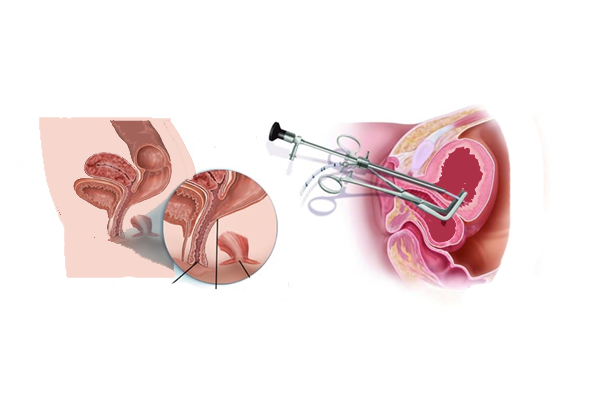
VAAFT (Video Assisted Anal Fistula Treatment) is an advanced minimally invasive procedure used to treat anal fistula without large cuts or extensive damage to surrounding tissues. The surgery is performed using a special fistuloscope equipped with a camera and surgical instruments.
The procedure helps:
- Identify the internal opening of the fistula
- Visualize the complete fistula tract
- Remove infected tissue
- Close the fistula opening precisely
- Preserve anal sphincter muscles
VAAFT is especially useful for complex, recurrent, or high anal fistulas where conventional surgery may carry higher risks of incontinence.
How VAAFT Surgery Helps
VAAFT surgery helps patients by:
- Treating anal fistula effectively
- Reducing pain and recurrent infection
- Preventing abscess formation
- Minimizing damage to anal muscles
- Lowering recurrence risk
- Improving wound healing
- Preserving bowel control and continence
- Enhancing overall comfort and quality of life
The minimally invasive approach allows faster recovery with minimal postoperative discomfort.
Importance and Benefits of VAAFT Surgery
Minimally Invasive Procedure
VAAFT surgery offers:
- No large surgical wounds
- Minimal cutting of tissue
- Reduced postoperative pain
- Faster recovery
- Minimal scarring
Better Visualization of Fistula Tract
The camera-guided system allows precise identification and treatment of fistula pathways.
Preservation of Anal Sphincter
The procedure minimizes injury to anal muscles, reducing the risk of incontinence.
Reduced Risk of Recurrence
Accurate identification of the internal opening helps improve long-term treatment success.
Faster Return to Daily Activities
Most patients resume normal activities sooner compared to traditional surgery.
Improved Patient Comfort
Minimal tissue trauma results in better postoperative comfort and healing.
What is an Anal Fistula?
An anal fistula is an abnormal tunnel connecting the anal canal to the skin near the anus. It usually develops after an anal abscess or infection.
The fistula may continuously drain pus or fluid, leading to irritation and recurrent infections.
Symptoms of Anal Fistula
Patients with anal fistula may experience:
- Pus or foul-smelling discharge near the anus
- Pain and swelling around the anal area
- Recurrent anal abscesses
- Bleeding
- Skin irritation and redness
- Pain during sitting or bowel movements
- Fever in case of infection
Persistent symptoms should be evaluated by a colorectal specialist.
Causes and Risk Factors
Anal fistula may develop due to:
- Anal abscess or infection
- Chronic inflammation
- Crohn’s disease
- Tuberculosis
- Trauma or previous anal surgery
- Recurrent anal infections
Untreated abscesses are one of the most common causes of fistula formation.
Diagnosis Before VAAFT Surgery
Accurate diagnosis is important before planning treatment.
Clinical Examination
Helps assess the external opening and fistula characteristics.
MRI Fistulogram
Provides detailed imaging of fistula tracts and branching.
Endoanal Ultrasound
May be used to evaluate complex fistulas.
Proctoscopy
Helps examine the anal canal and internal opening.
Dr. Sanjay Verma performs a detailed evaluation to determine the most suitable treatment approach.
Treatment Options for Anal Fistula
Treatment depends on the type and complexity of the fistula.
Medications
Temporary relief may be provided for infection and inflammation.
Conventional Fistula Surgery
Includes fistulotomy or fistulectomy in selected cases.
Seton Placement
Used in complex fistulas to control infection and drainage.
VAAFT Surgery
Advanced minimally invasive treatment for complex or recurrent fistulas while preserving sphincter function.
VAAFT Surgical Procedure
The procedure is performed under spinal or general anesthesia.
Procedure Steps:
- A fistuloscope is inserted into the fistula tract.
- The internal opening and complete fistula pathway are visualized on a monitor.
- Infected tissue and granulation tissue are cleaned from the tract.
- The internal opening is closed carefully.
- The fistula tract is sealed using specialized instruments.
- The surgical area is inspected thoroughly for complete treatment.
The procedure is performed without large external cuts.
Recovery After VAAFT Surgery
Hospital Stay
Most patients are discharged within 24 hours or the same day.
Postoperative Recovery
Recovery may include:
- Mild pain management
- Sitz baths and hygiene care
- Early walking and physical activity
- Soft diet and hydration
- Wound care instructions
Follow-Up Care
Regular follow-up appointments help monitor:
- Healing progress
- Infection prevention
- Recurrence monitoring
- Bowel comfort and continence
Risks and Safety Measures
Like all surgical procedures, VAAFT surgery may involve certain risks such as:
- Infection
- Bleeding
- Recurrence of fistula
- Temporary discomfort
- Incomplete healing in complex cases
However, advanced video-assisted techniques significantly improve precision and treatment success.
Lifestyle and Dietary Recommendations
Patients are usually advised to:
- Maintain proper anal hygiene
- Eat a high-fiber diet
- Drink adequate water
- Avoid constipation and excessive straining
- Follow postoperative wound care instructions
- Attend regular follow-up visits
Healthy bowel habits support faster healing and reduce recurrence risk.
Why Choose Dr. Sanjay Verma in Vasant Kunj?
Expertise in Advanced Colorectal Surgery
Dr. Sanjay Verma specializes in minimally invasive treatment of anal fistulas and colorectal disorders.
Advanced VAAFT Technology
Modern video-assisted techniques ensure precision, safety, and faster recovery.
Personalized Treatment Planning
Every patient receives individualized diagnosis and treatment according to fistula complexity.
Comprehensive Anal Fistula Care
Complete care is provided from diagnosis to surgery and postoperative follow-up.
Patient-Centered Approach
Special attention is given to patient comfort, dignity, and long-term healing.
Trusted Colorectal Surgeon in Vasant Kunj
Patients trust Dr. Sanjay Verma for compassionate and advanced treatment of anal fistula and anorectal disorders.
Frequently Asked Questions (FAQs)
1. What is VAAFT surgery?
VAAFT is a minimally invasive video-assisted procedure used to treat anal fistula with minimal tissue damage.
2. Is VAAFT surgery painful?
The procedure usually causes less pain compared to traditional fistula surgery due to minimal cutting.
3. How long does recovery take after VAAFT surgery?
Most patients recover within a few weeks and can resume routine activities early.
4. Does VAAFT reduce the risk of incontinence?
Yes, the procedure helps preserve anal sphincter muscles and reduces the risk of bowel control problems.
5. Can anal fistula recur after VAAFT surgery?
Recurrence is possible in some complex cases, but advanced visualization and precise treatment help reduce the risk significantly.