
Laparoscopic Hernia Surgery
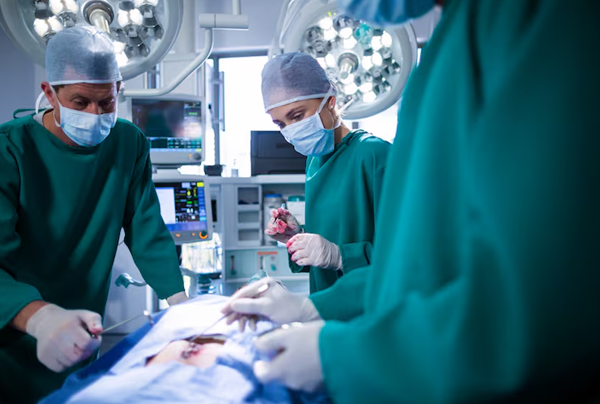
Laparoscopic Hernia Surgery
Dr. Sanjay Verma offers advanced Laparoscopic Hernia Surgery in Vasant Kunj for patients suffering from abdominal wall hernias, groin swelling, pain, and discomfort caused by weakened muscles. A hernia occurs when an internal organ or tissue pushes through a weak area in the abdominal wall or surrounding muscles, creating a visible bulge and pain. Hernias may gradually enlarge over time and can lead to serious complications if left untreated.
Using modern minimally invasive laparoscopic techniques, Dr. Sanjay Verma provides safe and effective hernia repair surgery with smaller incisions, reduced pain, faster recovery, and minimal scarring. Laparoscopic Hernia Surgery helps strengthen the weakened abdominal wall, prevent recurrence, and restore normal physical activity with improved comfort and confidence. Early diagnosis and timely surgical treatment are important to prevent complications such as obstruction, strangulation, and severe pain.
What is a Hernia?
A hernia develops when an internal organ or fatty tissue pushes through a weak or damaged area of the abdominal muscles or connective tissues.
Common types of hernias include:
- Inguinal hernia
- Umbilical hernia
- Incisional hernia
- Femoral hernia
- Hiatal hernia
- Epigastric hernia
Hernias may increase in size over time and usually require surgical repair for permanent treatment.
What is Laparoscopic Hernia Surgery?
Laparoscopic Hernia Surgery is a minimally invasive procedure performed using small abdominal incisions and specialized laparoscopic instruments to repair the hernia defect.
The procedure generally involves:
- Returning protruding tissue to its normal position
- Repairing the weakened muscle area
- Reinforcing the abdominal wall with surgical mesh in many cases
A high-definition laparoscope allows the surgeon to perform the procedure with precision and safety.
How Laparoscopic Hernia Surgery Helps
Laparoscopic hernia surgery helps patients by:
- Repairing the hernia defect effectively
- Relieving pain and discomfort
- Preventing hernia enlargement
- Reducing the risk of obstruction and strangulation
- Strengthening the abdominal wall
- Improving mobility and physical activity
- Preventing recurrence in many cases
- Enhancing overall quality of life
The minimally invasive approach allows faster healing and quicker return to daily activities.
Importance and Benefits of Laparoscopic Hernia Surgery
Minimally Invasive Procedure
Laparoscopic surgery offers:
- Smaller incisions
- Less postoperative pain
- Faster recovery
- Minimal blood loss
- Reduced scarring
Faster Return to Daily Activities
Patients usually resume normal activities earlier compared to open surgery.
Better Cosmetic Results
Small incisions leave minimal visible scars after recovery.
Reduced Risk of Infection
The minimally invasive approach lowers the risk of wound-related complications.
Stronger Hernia Repair
Mesh reinforcement provides durable support and reduces recurrence risk.
Treatment of Bilateral Hernias
Both sides can often be repaired during the same laparoscopic procedure.
Symptoms of Hernia
Patients with hernia may experience:
- Visible swelling or bulge in the abdomen or groin
- Pain or discomfort during lifting or coughing
- Burning or dragging sensation
- Heaviness in the abdomen
- Swelling that increases while standing
- Difficulty performing physical activities
- Sudden severe pain in complicated hernia cases
Persistent swelling or pain should be evaluated by a specialist.
Causes and Risk Factors
Hernias may develop due to:
- Weak abdominal muscles
- Heavy lifting
- Chronic coughing
- Obesity
- Previous surgery
- Constipation and excessive straining
- Pregnancy
- Aging-related tissue weakness
Lifestyle factors and increased abdominal pressure can increase hernia risk.
Types of Hernias Treated Laparoscopically
Inguinal Hernia
Occurs in the groin region and is one of the most common hernias.
Umbilical Hernia
Develops near the belly button area.
Incisional Hernia
Occurs at the site of previous abdominal surgery.
Femoral Hernia
Appears near the upper thigh and groin area.
Recurrent Hernia
A hernia that returns after previous surgical repair.
Diagnosis Before Surgery
Accurate diagnosis is important before treatment planning.
Physical Examination
Helps identify the type and size of hernia.
Ultrasound
Used to evaluate abdominal wall defects.
CT Scan
Provides detailed imaging in complex or recurrent hernia cases.
MRI
May be advised for selected patients.
Dr. Sanjay Verma performs a comprehensive evaluation before recommending surgery.
Treatment and Procedure
Initial Consultation
The patient undergoes complete medical and surgical assessment.
Pre-Surgical Preparation
Patients may require:
- Blood investigations
- Fitness evaluation
- Weight management guidance
- Control of chronic cough or constipation
- Nutritional advice
Laparoscopic Hernia Surgery Procedure
The surgery is performed under general anesthesia.
Procedure Steps:
- Small incisions are made in the abdomen.
- A laparoscope and specialized instruments are inserted.
- The hernia contents are carefully repositioned.
- The weakened muscle defect is identified.
- Surgical mesh is placed to strengthen the abdominal wall.
- The repair area is inspected carefully.
- Incisions are closed after ensuring proper fixation.
The duration of surgery depends on the type and complexity of the hernia.
Recovery After Laparoscopic Hernia Surgery
Hospital Stay
Most patients are discharged within 24 hours or after a short hospital stay.
Postoperative Recovery
Recovery may include:
- Mild pain management
- Early walking and mobility
- Gradual return to normal diet
- Wound care instructions
- Avoidance of heavy lifting initially
Follow-Up Care
Regular follow-up appointments help monitor:
- Healing progress
- Mesh stability
- Recurrence prevention
- Overall recovery and comfort
Most patients return to normal activities within a short period.
Risks and Safety Measures
Like all surgeries, laparoscopic hernia repair may involve certain risks such as:
- Infection
- Bleeding
- Mesh-related complications
- Recurrence of hernia
- Temporary swelling or discomfort
However, advanced laparoscopic techniques and experienced surgical care significantly improve safety and successful outcomes.
Lifestyle and Preventive Recommendations
Patients are usually advised to:
- Maintain healthy body weight
- Avoid heavy lifting
- Eat a high-fiber healthy diet
- Prevent constipation and excessive straining
- Stop smoking
- Exercise regularly after recovery
- Follow medical advice carefully
Healthy lifestyle habits help reduce the risk of hernia recurrence.
Why Choose Dr. Sanjay Verma in Vasant Kunj?
Expertise in Advanced Hernia and GI Surgery
Dr. Sanjay Verma specializes in minimally invasive gastrointestinal and abdominal wall surgeries.
Advanced Laparoscopic Technology
Modern surgical techniques ensure precision, safety, and faster recovery.
Personalized Treatment Planning
Every patient receives individualized diagnosis, treatment, and postoperative care.
Comprehensive Hernia Management
Complete care is provided from diagnosis to surgery and long-term follow-up.
Patient-Centered Care
Special attention is given to patient comfort, safety, and successful recovery.
Trusted Hernia Surgeon in Vasant Kunj
Patients trust Dr. Sanjay Verma for compassionate and advanced treatment of hernias and abdominal wall disorders.
Frequently Asked Questions (FAQs)
1. What is Laparoscopic Hernia Surgery?
It is a minimally invasive procedure used to repair hernias through small abdominal incisions using laparoscopic instruments.
2. Is laparoscopic hernia surgery painful?
The procedure usually causes less pain compared to traditional open surgery due to smaller incisions.
3. Will mesh be used during hernia surgery?
In many cases, surgical mesh is used to strengthen the abdominal wall and reduce recurrence risk.
4. How long does recovery take after hernia surgery?
Most patients recover within a few days to weeks depending on the type of hernia and overall health.
5. Can hernia recur after surgery?
Recurrence is possible in some cases, but advanced laparoscopic repair significantly reduces the risk.