Oesophagectomy or Cancer Of The Oesophagus
Oesophagectomy or Cancer Of The Oesophagus
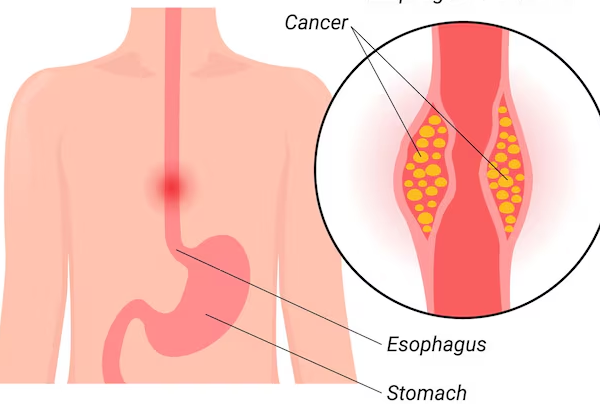
Dr. Sanjay Verma offers advanced Oesophagectomy Surgery for Cancer of the Oesophagus in Vasant Kunj for patients diagnosed with oesophageal cancer and other serious oesophageal disorders. The oesophagus, also known as the food pipe, is the muscular tube that carries food and liquids from the mouth to the stomach. Cancer of the oesophagus is a serious condition that can affect swallowing, nutrition, digestion, and overall health. Early diagnosis and timely surgical treatment are extremely important for improving long-term outcomes and quality of life.
With expertise in gastrointestinal and minimally invasive cancer surgery, Dr. Sanjay Verma provides comprehensive evaluation and advanced oesophageal cancer treatment using modern surgical techniques. Oesophagectomy is a major procedure performed to remove the cancerous portion of the oesophagus and reconstruct the digestive tract to restore swallowing function. Using laparoscopic and minimally invasive approaches whenever suitable, the surgery aims to remove cancer effectively while promoting faster recovery, reduced pain, and improved postoperative comfort.
What is Oesophagectomy?
Oesophagectomy is a surgical procedure performed to remove all or part of the oesophagus, usually due to cancer or severe oesophageal disease.
During the surgery:
- The cancerous part of the oesophagus is removed
- Nearby lymph nodes may also be removed
- The stomach or intestine is reconstructed to restore food passage
The procedure is commonly performed for:
- Cancer of the oesophagus
- Barrett’s oesophagus with severe complications
- Advanced oesophageal strictures
- Selected benign oesophageal diseases
Oesophagectomy is one of the most effective treatments for localized oesophageal cancer.
What is Cancer of the Oesophagus?
Cancer of the oesophagus occurs when abnormal cells develop and grow uncontrollably within the lining of the food pipe.
The two main types include:
- Squamous Cell Carcinoma
- Adenocarcinoma
The disease may gradually interfere with swallowing and nutrition and can spread to nearby organs if not treated early.
How Oesophagectomy Helps
Oesophagectomy helps patients by:
- Removing cancerous tissue from the oesophagus
- Improving swallowing ability
- Preventing cancer progression and spread
- Relieving pain and obstruction
- Improving nutrition and digestive function
- Enhancing quality of life
- Increasing chances of long-term cancer control
- Supporting comprehensive cancer treatment plans
Surgery is often combined with chemotherapy or radiation therapy depending on cancer stage.
Importance and Benefits of Oesophagectomy
Effective Cancer Removal
The surgery helps remove the primary cancer and affected tissues.
Improved Swallowing Function
Patients often experience relief from swallowing difficulty after recovery.
Better Long-Term Cancer Control
Surgical removal significantly improves treatment outcomes in suitable patients.
Minimally Invasive Surgical Options
Laparoscopic and thoracoscopic techniques may offer:
- Smaller incisions
- Less pain
- Faster recovery
- Reduced blood loss
- Shorter hospital stay
Comprehensive Cancer Management
The surgery forms an important part of multidisciplinary cancer care.
Improved Quality of Life
Treatment helps patients regain nutrition, strength, and daily comfort.
Symptoms of Oesophageal Cancer
Patients with oesophageal cancer may experience:
- Difficulty swallowing (Dysphagia)
- Pain during swallowing
- Unexplained weight loss
- Chest discomfort or burning sensation
- Persistent acidity or reflux
- Vomiting or regurgitation
- Loss of appetite
- Chronic cough or hoarseness
Persistent symptoms should be evaluated by a gastrointestinal cancer specialist.
Causes and Risk Factors
Oesophageal cancer may develop due to:
- Chronic acid reflux (GERD)
- Smoking and tobacco use
- Alcohol consumption
- Barrett’s oesophagus
- Obesity
- Poor dietary habits
- Increasing age
- Family history of gastrointestinal cancer
Lifestyle factors can significantly influence the risk of oesophageal cancer.
Diagnosis Before Oesophagectomy
Accurate diagnosis and cancer staging are essential before treatment planning.
Upper GI Endoscopy
Allows direct visualization and biopsy of the oesophagus.
Biopsy
Confirms the diagnosis of cancer.
CT Scan
Helps evaluate cancer spread and staging.
PET Scan
May be used to detect metastasis and advanced disease.
Endoscopic Ultrasound (EUS)
Assesses depth of tumour invasion and lymph node involvement.
Blood Investigations
Help assess overall health and surgical fitness.
Dr. Sanjay Verma performs comprehensive evaluation before planning surgery.
Treatment Planning for Oesophageal Cancer
Treatment depends on:
- Cancer stage
- Tumour location
- Patient’s overall health
- Extent of spread
Management may include:
- Surgery (Oesophagectomy)
- Chemotherapy
- Radiation therapy
- Combined multimodality treatment
Many patients receive chemotherapy or chemoradiation before surgery to improve outcomes.
Oesophagectomy Procedure
The surgery is performed under general anesthesia.
Procedure Steps:
- The cancerous portion of the oesophagus is identified carefully.
- Affected lymph nodes may also be removed.
- The diseased segment of the oesophagus is removed.
- The stomach is reshaped into a tube to replace the removed oesophagus.
- The digestive tract is reconstructed to restore swallowing.
- The surgical area is inspected carefully for safety and bleeding control.
The procedure may be performed using:
- Open surgery
- Laparoscopic surgery
- Thoracoscopic surgery
- Hybrid minimally invasive techniques
Recovery After Oesophagectomy
Hospital Stay
Patients may require hospitalization for several days depending on recovery.
Postoperative Recovery
Recovery may include:
- Intensive monitoring initially
- Nutritional support
- Gradual oral feeding progression
- Breathing exercises and physiotherapy
- Pain management
- Early mobilization
Follow-Up Care
Regular follow-up appointments help monitor:
- Healing and recovery
- Nutritional status
- Swallowing function
- Cancer surveillance and recurrence monitoring
Recovery varies depending on the patient’s overall health and cancer stage.
Risks and Safety Measures
Like all major cancer surgeries, oesophagectomy may involve certain risks such as:
- Infection
- Bleeding
- Leakage at reconstruction site
- Breathing complications
- Swallowing difficulties temporarily
- Nutritional challenges
However, advanced surgical techniques and experienced multidisciplinary care significantly improve safety and outcomes.
Lifestyle and Nutritional Recommendations After Surgery
Patients are usually advised to:
- Eat small frequent meals
- Maintain adequate nutrition and hydration
- Avoid smoking and alcohol
- Follow dietary guidance carefully
- Attend regular cancer follow-up visits
- Maintain healthy body weight and physical activity
Nutritional rehabilitation plays an important role in long-term recovery.
Why Choose Dr. Sanjay Verma in Vasant Kunj?
Expertise in GI and Cancer Surgery
Dr. Sanjay Verma specializes in advanced gastrointestinal and oesophageal cancer surgeries.
Advanced Minimally Invasive Surgical Techniques
Modern laparoscopic and thoracoscopic approaches improve recovery and patient comfort.
Personalized Cancer Treatment Planning
Every patient receives individualized evaluation and multidisciplinary cancer care.
Comprehensive Oesophageal Cancer Management
Complete care is provided from diagnosis to surgery, recovery, and long-term follow-up.
Patient-Centered Care
Special attention is given to patient safety, nutrition, comfort, and long-term outcomes.
Trusted GI Cancer Surgeon in Vasant Kunj
Patients trust Dr. Sanjay Verma for compassionate and advanced treatment of oesophageal cancer and complex gastrointestinal diseases.
Frequently Asked Questions (FAQs)
1. What is an oesophagectomy?
Oesophagectomy is a surgical procedure performed to remove part or all of the oesophagus, commonly for oesophageal cancer treatment.
2. Is oesophageal cancer curable?
Early-stage oesophageal cancer can often be treated successfully with surgery and multidisciplinary cancer care.
3. Can a person eat normally after oesophagectomy?
Most patients gradually return to eating soft and regular foods after recovery, though dietary adjustments may be needed.
4. Is minimally invasive oesophagectomy possible?
Yes, laparoscopic and thoracoscopic techniques may be used in suitable patients for faster recovery and less pain.
5. How long does recovery take after oesophagectomy?
Recovery varies depending on overall health and cancer stage, but complete recovery may take several weeks to months.