
Laparoscopy For Hiatus Hernia
Laparoscopy For Hiatus Hernia
Dr. Sanjay Verma offers advanced Laparoscopy for Hiatus Hernia in Vasant Kunj for patients suffering from chronic acidity, acid reflux, heartburn, chest discomfort, regurgitation, and swallowing difficulties caused by hiatal or hiatus hernia. A hiatus hernia occurs when a portion of the stomach moves upward through the diaphragm into the chest cavity. This condition often leads to gastroesophageal reflux disease (GERD), persistent digestive discomfort, and reduced quality of life if left untreated.
Using modern minimally invasive laparoscopic techniques, Dr. Sanjay Verma provides safe and effective surgical treatment for hiatus hernia with smaller incisions, reduced pain, faster recovery, and minimal scarring. Laparoscopic Hiatus Hernia Surgery helps restore the normal position of the stomach, strengthen the diaphragm opening, and control acid reflux symptoms. Early diagnosis and timely treatment help prevent complications such as severe reflux disease, esophageal inflammation, ulcers, breathing problems, and swallowing difficulties.
What is a Hiatus Hernia?
A hiatus hernia, also called hiatal hernia, occurs when the upper part of the stomach pushes through the diaphragm into the chest cavity through an opening called the hiatus.
The diaphragm normally separates the chest from the abdomen. When the opening becomes weak or enlarged, the stomach may move upward.
Types of hiatus hernia include:
- Sliding Hiatus Hernia
- Paraesophageal Hiatus Hernia
Small hernias may not cause symptoms, while larger hernias often require treatment.
What is Laparoscopy for Hiatus Hernia?
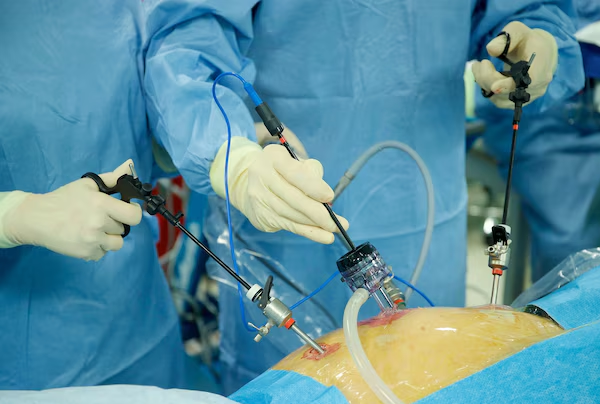
Laparoscopic Hiatus Hernia Surgery is a minimally invasive procedure used to repair the hernia and restore normal anatomy using small abdominal incisions and specialized laparoscopic instruments.
The surgery generally involves:
- Pulling the stomach back into the abdomen
- Repairing the diaphragm opening
- Strengthening the hiatus area
- Performing anti-reflux surgery (Fundoplication) if required
A high-definition laparoscope allows precise and safe surgical repair.
How Laparoscopic Hiatus Hernia Surgery Helps
The surgery helps patients by:
- Reducing chronic acidity and heartburn
- Preventing acid reflux and regurgitation
- Improving swallowing and digestion
- Relieving chest and upper abdominal discomfort
- Preventing complications of severe reflux disease
- Improving sleep and breathing discomfort caused by reflux
- Restoring normal stomach position
- Enhancing overall quality of life
Most patients experience significant long-term relief after surgery.
Importance and Benefits of Laparoscopic Hiatus Hernia Surgery
Minimally Invasive Procedure
Laparoscopic surgery offers:
- Smaller incisions
- Less postoperative pain
- Faster recovery
- Minimal blood loss
- Reduced scarring
Better Acid Reflux Control
The procedure effectively treats GERD associated with hiatus hernia.
Faster Recovery and Shorter Hospital Stay
Most patients recover more quickly compared to open surgery.
Improved Swallowing and Digestion
Correcting the hernia helps restore normal food passage and stomach function.
Reduced Dependence on Long-Term Medications
Many patients require fewer acidity medications after successful surgery.
Prevention of Serious Complications
Timely surgery reduces the risk of ulcers, strangulation, and chronic esophageal damage.
Symptoms of Hiatus Hernia
Patients with hiatus hernia may experience:
- Chronic acidity and heartburn
- Acid reflux and regurgitation
- Chest discomfort or burning sensation
- Difficulty swallowing
- Bloating and indigestion
- Nausea after meals
- Chronic cough or throat irritation
- Breathing discomfort in large hernias
Persistent reflux symptoms should be evaluated by a specialist.
Causes and Risk Factors
Hiatus hernia may develop due to:
- Weakening of diaphragm muscles
- Obesity
- Aging
- Chronic coughing
- Heavy lifting
- Pregnancy
- Increased abdominal pressure
- Long-standing acid reflux disease
Lifestyle factors can contribute to worsening symptoms.
Diagnosis Before Surgery
Accurate diagnosis is important before planning surgery.
Upper GI Endoscopy
Helps assess reflux disease, inflammation, and hernia size.
Barium Swallow X-Ray
Evaluates movement of the esophagus and stomach.
CT Scan
May be used for complex or large hernias.
Esophageal Manometry
Measures swallowing and esophageal muscle function.
pH Monitoring
Evaluates acid reflux severity.
Dr. Sanjay Verma performs a comprehensive evaluation before recommending surgery.
Treatment Options for Hiatus Hernia
Lifestyle and Medical Management
Mild cases may improve with:
- Acid-reducing medications
- Weight management
- Dietary modifications
- Avoiding late-night meals
- Elevating the head during sleep
Surgical Treatment
Laparoscopic surgery is recommended for:
- Severe reflux disease
- Large hiatus hernia
- Persistent symptoms despite medication
- Complications such as ulcers or strangulation
Laparoscopic Hiatus Hernia Surgery Procedure
The surgery is performed under general anesthesia.
Procedure Steps:
- Small incisions are made in the abdomen.
- A laparoscope and specialized instruments are inserted.
- The stomach is carefully repositioned into the abdomen.
- The enlarged hiatus opening is repaired and tightened.
- Fundoplication may be performed to strengthen the anti-reflux valve.
- The repair area is inspected carefully.
- Incisions are closed after ensuring proper repair.
The procedure duration depends on the size and complexity of the hernia.
Recovery After Surgery
Hospital Stay
Most patients stay in the hospital for 1–3 days after surgery.
Postoperative Recovery
Recovery may include:
- Mild pain management
- Gradual liquid-to-soft diet progression
- Early walking and mobility
- Breathing exercises
- Wound care instructions
Follow-Up Care
Regular follow-up appointments help monitor:
- Healing progress
- Swallowing function
- Reflux symptom improvement
- Digestive recovery
Most patients gradually return to routine activities within a few weeks.
Risks and Safety Measures
Like all surgeries, laparoscopic hiatus hernia repair may involve certain risks such as:
- Infection
- Bleeding
- Difficulty swallowing temporarily
- Gas bloating
- Recurrence of hernia
- Injury to nearby organs in rare cases
However, advanced laparoscopic techniques and experienced surgical care significantly improve safety and successful outcomes.
Lifestyle and Dietary Recommendations After Surgery
Patients are usually advised to:
- Eat small frequent meals
- Avoid heavy and oily foods initially
- Maintain healthy body weight
- Avoid smoking and alcohol
- Prevent excessive abdominal pressure
- Follow dietary and medical advice carefully
Healthy lifestyle habits help maintain long-term symptom relief.
Why Choose Dr. Sanjay Verma in Vasant Kunj?
Expertise in GI and Laparoscopic Surgery
Dr. Sanjay Verma specializes in advanced gastrointestinal and minimally invasive surgeries.
Advanced Surgical Technology
Modern laparoscopic techniques ensure precision, safety, and faster recovery.
Personalized Treatment Planning
Every patient receives individualized diagnosis and treatment according to disease severity.
Comprehensive Hiatus Hernia and GERD Care
Complete care is provided from diagnosis to surgery and postoperative follow-up.
Patient-Centered Care
Special attention is given to patient comfort, nutrition, and long-term recovery.
Trusted Hiatus Hernia Surgeon in Vasant Kunj
Patients trust Dr. Sanjay Verma for compassionate and advanced treatment of hiatus hernia and reflux disorders.
Frequently Asked Questions (FAQs)
1. What is a hiatus hernia?
A hiatus hernia occurs when part of the stomach moves upward into the chest through the diaphragm opening.
2. When is surgery needed for hiatus hernia?
Surgery is usually recommended for severe reflux, large hernias, persistent symptoms, or complications not controlled by medications.
3. Is laparoscopic hiatus hernia surgery safe?
Yes, when performed by an experienced surgeon like Dr. Sanjay Verma, it is considered safe and highly effective.
4. Will surgery cure acid reflux permanently?
Many patients experience long-term relief from acid reflux after successful surgery, although outcomes may vary.
5. How long does recovery take after surgery?
Most patients recover within a few weeks depending on overall health and the complexity of the procedure.