Laparoscopy For Achalasia Cardia
Laparoscopy For Achalasia Cardia
Dr. Sanjay Verma offers advanced Laparoscopy for Achalasia Cardia in Vasant Kunj for patients suffering from difficulty swallowing, regurgitation, chest discomfort, and long-standing esophageal motility disorders. Achalasia Cardia is a rare condition in which the lower esophageal sphincter (LES), the valve between the food pipe and stomach, fails to relax properly. As a result, food and liquids cannot pass easily into the stomach, leading to progressive swallowing difficulties and significant digestive discomfort.
Using modern minimally invasive laparoscopic techniques, Dr. Sanjay Verma provides safe and effective surgical treatment for Achalasia Cardia with smaller incisions, faster recovery, reduced pain, and improved swallowing function. Laparoscopic surgery for Achalasia Cardia helps relieve obstruction at the lower end of the esophagus, restore smoother food passage, reduce regurgitation, and improve overall quality of life. Early diagnosis and timely treatment are important to prevent complications such as severe weight loss, aspiration, esophageal enlargement, and chronic nutritional problems.
What is Achalasia Cardia?
Achalasia Cardia is a disorder of the esophagus in which the lower esophageal sphincter does not relax normally during swallowing.
Normally:
- The esophagus pushes food downward
- The lower esophageal sphincter relaxes to allow food into the stomach
In achalasia:
- The sphincter remains tight
- Food accumulates inside the esophagus
- Swallowing becomes difficult over time
The condition may gradually worsen if left untreated.
What is Laparoscopy for Achalasia Cardia?
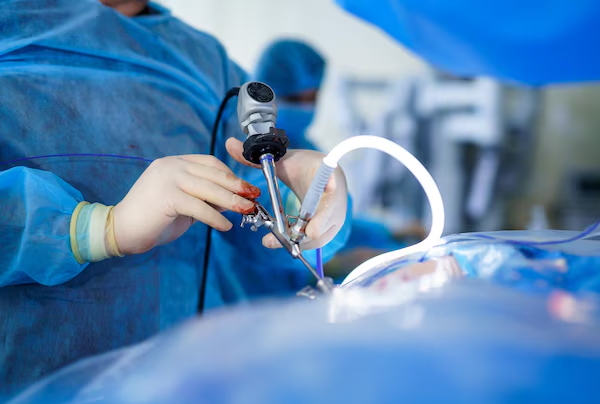
Laparoscopic surgery for Achalasia Cardia, commonly called Laparoscopic Heller’s Myotomy, is a minimally invasive procedure performed to relieve the tight lower esophageal sphincter.
The surgery involves:
- Cutting the tight muscle fibers of the lower esophageal sphincter
- Allowing food to pass easily into the stomach
- Often combining the procedure with anti-reflux surgery (Fundoplication) to prevent acid reflux
The procedure is performed using small incisions and specialized laparoscopic instruments.
How Laparoscopic Surgery Helps in Achalasia Cardia
The surgery helps patients by:
- Improving swallowing ability
- Relieving food blockage in the esophagus
- Reducing regurgitation and vomiting
- Preventing chest discomfort and pain
- Improving nutrition and weight maintenance
- Reducing aspiration risk
- Enhancing digestive comfort
- Improving overall quality of life
Most patients experience significant improvement in swallowing after surgery.
Importance and Benefits of Laparoscopic Surgery for Achalasia Cardia
Minimally Invasive Procedure
Laparoscopic surgery offers:
- Smaller incisions
- Less postoperative pain
- Faster healing
- Reduced blood loss
- Minimal scarring
Effective Long-Term Relief
The surgery provides long-term improvement in swallowing and esophageal function.
Faster Recovery
Patients usually recover more quickly compared to open surgery.
Better Nutritional Improvement
Improved swallowing helps restore appetite and nutritional intake.
Reduced Hospital Stay
Most patients are discharged within a few days after surgery.
Improved Daily Comfort
The procedure reduces discomfort associated with food sticking and regurgitation.
Symptoms of Achalasia Cardia
Patients with achalasia cardia may experience:
- Difficulty swallowing solids and liquids
- Food sticking in the chest
- Regurgitation of undigested food
- Chest pain or discomfort
- Heartburn-like symptoms
- Weight loss
- Chronic cough
- Aspiration or choking episodes during sleep
Persistent swallowing difficulty should always be evaluated by a specialist.
Causes and Risk Factors
The exact cause of achalasia cardia is not fully understood, but it may occur due to:
- Damage to esophageal nerves
- Degeneration of nerve cells controlling swallowing
- Autoimmune-related factors
- Rare viral infections
The condition can affect adults of different age groups.
Diagnosis Before Surgery
Accurate diagnosis is essential before treatment planning.
Upper GI Endoscopy
Helps examine the esophagus and rule out obstruction or cancer.
Barium Swallow Study
Shows delayed passage of food and narrowing at the lower esophagus.
Esophageal Manometry
The most important test used to measure pressure and movement of the esophageal muscles and lower esophageal sphincter.
CT Scan
May be advised in selected cases to evaluate surrounding structures and rule out other diseases.
Blood Investigations
Used to assess general health and fitness for surgery.
Dr. Sanjay Verma performs a comprehensive evaluation before recommending surgery for Achalasia Cardia.
Treatment Options for Achalasia Cardia
Medications
Temporary symptom relief may be achieved with medications that relax the lower esophageal sphincter, though results are often limited.
Endoscopic Balloon Dilatation
A balloon is used to stretch the tight sphincter muscle. Some patients may require repeated procedures.
Botox Injection
Botulinum toxin may be injected into the sphincter muscle for temporary relaxation in selected patients.
Laparoscopic Heller’s Myotomy
Considered one of the most effective long-term treatments for Achalasia Cardia.
POEM (Peroral Endoscopic Myotomy)
An advanced endoscopic treatment available in selected centers for suitable patients.
Treatment selection depends on:
- Severity of symptoms
- Age and overall health
- Esophageal condition
- Previous treatment history
Laparoscopic Heller’s Myotomy Procedure
The surgery is performed under general anesthesia.
Procedure Steps:
- Small incisions are made in the abdomen.
- A laparoscope and specialized instruments are inserted.
- The lower esophageal sphincter muscle is identified carefully.
- Tight muscle fibers are divided to relieve obstruction.
- Food passage into the stomach is improved.
- Fundoplication may be performed to reduce postoperative acid reflux.
- The surgical area is inspected carefully before closure.
The minimally invasive approach allows precision and faster recovery.
Recovery After Laparoscopic Surgery
Hospital Stay
Most patients remain hospitalized for 2–4 days depending on recovery.
Postoperative Recovery
Recovery may include:
- Pain management
- Gradual liquid-to-soft diet progression
- Hydration and nutritional support
- Early walking and breathing exercises
- Monitoring swallowing improvement
Follow-Up Care
Regular follow-up appointments help monitor:
- Swallowing function
- Nutritional recovery
- Acid reflux symptoms
- Long-term esophageal health
Most patients gradually return to normal activities within a few weeks.
Risks and Safety Measures
Like all surgeries, laparoscopic treatment for Achalasia Cardia may involve certain risks such as:
- Infection
- Bleeding
- Acid reflux after surgery
- Esophageal perforation
- Difficulty swallowing temporarily
- Recurrence of symptoms in rare cases
However, advanced laparoscopic techniques and experienced surgical care significantly improve safety and successful outcomes.
Lifestyle and Dietary Recommendations After Surgery
Patients are usually advised to:
- Eat small frequent meals
- Chew food properly
- Avoid lying down immediately after meals
- Stay hydrated
- Avoid smoking and alcohol
- Follow dietary instructions carefully
Healthy eating habits support long-term swallowing comfort and recovery.
Complications of Untreated Achalasia Cardia
If left untreated, achalasia cardia may lead to:
- Severe weight loss
- Esophageal enlargement
- Aspiration pneumonia
- Chronic malnutrition
- Food retention inside the esophagus
- Reduced quality of life
Timely treatment helps prevent serious complications.
Why Choose Dr. Sanjay Verma in Vasant Kunj?
Expertise in GI and Laparoscopic Surgery
Dr. Sanjay Verma specializes in advanced gastrointestinal and minimally invasive esophageal surgeries.
Advanced Surgical Technology
Modern laparoscopic techniques ensure precision, safety, and faster recovery.
Personalized Treatment Planning
Every patient receives individualized diagnosis and treatment according to disease severity.
Comprehensive Esophageal Disorder Management
Complete care is provided from diagnosis to surgery and long-term follow-up.
Patient-Centered Care
Special attention is given to patient comfort, nutrition, and postoperative recovery.
Trusted Achalasia Cardia Surgeon in Vasant Kunj
Patients trust Dr. Sanjay Verma for compassionate and advanced treatment of swallowing disorders and complex gastrointestinal diseases.
Frequently Asked Questions (FAQs)
1. What is Achalasia Cardia?
Achalasia Cardia is a condition where the lower esophageal sphincter fails to relax properly, making swallowing difficult.
2. What is Laparoscopic Heller’s Myotomy?
It is a minimally invasive surgery performed to cut the tight esophageal muscle and improve food passage into the stomach.
3. Is surgery necessary for Achalasia Cardia?
Many patients with moderate to severe symptoms benefit significantly from surgical treatment for long-term relief.
4. Can Achalasia Cardia be cured permanently?
Treatment can provide long-lasting symptom relief, though long-term follow-up may still be required.
5. How long does recovery take after laparoscopic surgery?
Most patients recover within a few weeks depending on overall health and response to treatment.