
Laparoscopic Stomach Cancer Surgery
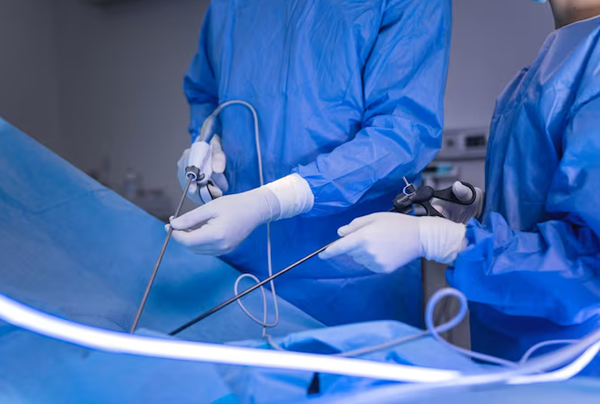
Laparoscopic Stomach Cancer Surgery
Dr. Sanjay Verma offers advanced Laparoscopic Stomach Cancer Surgery in Vasant Kunj for patients diagnosed with gastric cancer and other complex stomach diseases. Stomach cancer, also known as gastric cancer, develops when abnormal cells grow uncontrollably in the lining of the stomach. The disease can gradually affect digestion, appetite, nutrition, and overall health. Early diagnosis and timely surgical treatment are extremely important for improving long-term survival and quality of life.
Using modern minimally invasive laparoscopic techniques, Dr. Sanjay Verma provides safe and effective stomach cancer surgery with smaller incisions, reduced pain, faster recovery, and improved postoperative comfort. Laparoscopic surgery allows precise removal of the cancerous portion of the stomach while preserving as much healthy tissue as possible. The treatment is planned according to the stage and location of the cancer and may be combined with chemotherapy or other therapies for comprehensive cancer management.
What is Stomach Cancer?
Stomach cancer, also called gastric cancer, occurs when abnormal cells develop in the stomach lining and grow uncontrollably.
The disease may affect different parts of the stomach and can spread to nearby lymph nodes or organs if not treated early.
Common types of stomach cancer include:
- Adenocarcinoma
- Gastrointestinal Stromal Tumor (GIST)
- Lymphoma of the stomach
- Neuroendocrine tumors
Early-stage stomach cancer may not produce obvious symptoms, making regular evaluation important in high-risk patients.
What is Laparoscopic Stomach Cancer Surgery?
Laparoscopic Stomach Cancer Surgery is a minimally invasive surgical procedure performed to remove cancerous tissue from the stomach using small incisions and specialized laparoscopic instruments.
The surgery may involve:
- Partial removal of the stomach (Partial Gastrectomy)
- Complete removal of the stomach (Total Gastrectomy)
- Removal of nearby lymph nodes
- Reconstruction of the digestive tract
A high-definition laparoscope helps the surgeon perform precise cancer surgery with improved visualization and accuracy.
How Laparoscopic Stomach Cancer Surgery Helps
The surgery helps patients by:
- Removing cancerous tissue effectively
- Preventing cancer progression and spread
- Improving digestion and nutrition
- Relieving symptoms such as pain and bleeding
- Restoring food passage and stomach function
- Supporting long-term cancer control
- Improving quality of life
- Increasing the effectiveness of comprehensive cancer treatment
Surgery often plays a major role in curative treatment for stomach cancer.
Importance and Benefits of Laparoscopic Stomach Cancer Surgery
Minimally Invasive Procedure
Laparoscopic surgery offers:
- Smaller incisions
- Less postoperative pain
- Faster recovery
- Reduced blood loss
- Minimal scarring
Better Surgical Precision
High-definition laparoscopic visualization improves accuracy during cancer removal.
Faster Recovery and Reduced Hospital Stay
Patients usually recover more comfortably compared to open surgery.
Improved Postoperative Comfort
Minimal tissue trauma leads to better mobility and faster healing.
Effective Cancer Management
The surgery helps achieve proper cancer removal along with lymph node dissection.
Better Cosmetic Results
Small incisions leave minimal visible scars after recovery.
Symptoms of Stomach Cancer
Patients with stomach cancer may experience:
- Persistent abdominal pain or discomfort
- Loss of appetite
- Unexplained weight loss
- Nausea and vomiting
- Feeling full after eating small amounts
- Acidity or indigestion
- Difficulty swallowing in upper stomach cancers
- Weakness and fatigue
- Blood in vomit or black stools in advanced cases
Persistent digestive symptoms should always be evaluated by a specialist.
Causes and Risk Factors
Stomach cancer may develop due to:
- Helicobacter pylori infection
- Chronic gastritis
- Smoking and tobacco use
- Excessive salty or processed food intake
- Family history of stomach cancer
- Obesity
- Previous stomach surgery
- Increasing age
Lifestyle and dietary factors can significantly influence cancer risk.
Diagnosis Before Surgery
Accurate diagnosis and staging are essential before treatment planning.
Upper GI Endoscopy
Allows direct visualization and biopsy of stomach lesions.
Biopsy
Confirms the diagnosis of cancer.
CT Scan
Helps evaluate tumour spread and staging.
PET Scan
May be used to assess metastasis in selected cases.
Endoscopic Ultrasound (EUS)
Evaluates depth of tumour invasion and lymph node involvement.
Blood Tests
Help assess overall health and nutritional status.
Dr. Sanjay Verma performs comprehensive evaluation before planning surgery.
Treatment Planning for Stomach Cancer
Treatment depends on:
- Cancer stage
- Tumour size and location
- Lymph node involvement
- Overall patient health
Management may include:
- Laparoscopic surgery
- Chemotherapy
- Radiation therapy
- Targeted therapy in selected cases
Some patients may receive chemotherapy before surgery to improve treatment outcomes.
Types of Laparoscopic Stomach Cancer Surgery
Partial Gastrectomy
Only the cancerous part of the stomach is removed.
Total Gastrectomy
The entire stomach is removed in advanced or widespread disease.
Lymph Node Dissection
Nearby lymph nodes are removed to prevent cancer spread and improve staging accuracy.
Reconstruction Surgery
The digestive tract is reconstructed to allow food passage after stomach removal.
Laparoscopic Stomach Cancer Surgery Procedure
The surgery is performed under general anesthesia.
Procedure Steps:
- Small incisions are made in the abdomen.
- A laparoscope and specialized instruments are inserted.
- The cancerous portion of the stomach is identified carefully.
- The affected stomach tissue and lymph nodes are removed.
- Reconstruction of the digestive tract is performed.
- The surgical area is inspected carefully for bleeding and safety.
- Incisions are closed after completing the procedure.
The duration of surgery depends on cancer stage and complexity.
Recovery After Surgery
Hospital Stay
Patients may remain hospitalized for several days depending on recovery.
Postoperative Recovery
Recovery may include:
- Pain management
- Gradual liquid-to-soft diet progression
- Nutritional support
- Early mobilization and physiotherapy
- Monitoring digestive recovery
Follow-Up Care
Regular follow-up appointments help monitor:
- Healing progress
- Nutritional status
- Digestive function
- Cancer recurrence monitoring
Long-term follow-up is important after stomach cancer treatment.
Risks and Safety Measures
Like all major cancer surgeries, laparoscopic stomach cancer surgery may involve certain risks such as:
- Infection
- Bleeding
- Leakage from reconstruction site
- Nutritional deficiencies
- Delayed gastric emptying
- Temporary digestive discomfort
However, advanced laparoscopic techniques and experienced cancer surgical care significantly improve safety and treatment success.
Lifestyle and Nutritional Recommendations After Surgery
Patients are usually advised to:
- Eat small frequent meals
- Maintain proper nutrition and hydration
- Avoid smoking and alcohol
- Follow dietary guidance carefully
- Maintain healthy body weight
- Attend regular cancer follow-up visits
Nutritional rehabilitation is extremely important after stomach surgery.
Why Choose Dr. Sanjay Verma in Vasant Kunj?
Expertise in GI and Cancer Surgery
Dr. Sanjay Verma specializes in advanced gastrointestinal and stomach cancer surgeries.
Advanced Laparoscopic Technology
Modern minimally invasive techniques ensure precision, safety, and faster recovery.
Personalized Cancer Treatment Planning
Every patient receives individualized evaluation and multidisciplinary cancer care.
Comprehensive Stomach Cancer Management
Complete care is provided from diagnosis to surgery and long-term follow-up.
Patient-Centered Care
Special attention is given to patient comfort, nutrition, and postoperative recovery.
Trusted Stomach Cancer Surgeon in Vasant Kunj
Patients trust Dr. Sanjay Verma for compassionate and advanced treatment of gastric cancer and complex gastrointestinal diseases.
Frequently Asked Questions (FAQs)
1. What is laparoscopic stomach cancer surgery?
It is a minimally invasive surgery performed to remove stomach cancer using small incisions and laparoscopic instruments.
2. Can stomach cancer be cured with surgery?
Early-stage stomach cancer can often be treated successfully with surgery and comprehensive cancer care.
3. Is laparoscopic stomach cancer surgery safe?
Yes, when performed by an experienced surgeon like Dr. Sanjay Verma, it is considered safe and highly effective.
4. Will I be able to eat normally after stomach surgery?
Most patients gradually return to eating modified meals after recovery, though dietary adjustments may be required.
5. How long does recovery take after surgery?
Recovery varies depending on the extent of surgery and overall health, but most patients improve gradually over several weeks.