
Whipple Procedure Pancreatic Cancer
Whipple Procedure Pancreatic Cancer
Dr. Sanjay Verma offers advanced Whipple Procedure for Pancreatic Cancer in Vasant Kunj for patients suffering from pancreatic tumors, periampullary cancers, bile duct tumors, and complex pancreatic diseases. Pancreatic cancer is one of the most serious gastrointestinal cancers and often affects digestion, liver function, weight, appetite, and overall health. Early diagnosis and timely surgical treatment are extremely important for improving survival and long-term outcomes.
With expertise in gastrointestinal, hepatobiliary, and minimally invasive cancer surgery, Dr. Sanjay Verma provides comprehensive evaluation and advanced surgical care using modern techniques and multidisciplinary cancer management. The Whipple Procedure, also known as Pancreaticoduodenectomy, is one of the most complex and effective surgeries for cancers involving the head of the pancreas and nearby structures. The surgery aims to remove the cancer completely while restoring digestive continuity and improving the patient’s quality of life.
What is the Whipple Procedure?
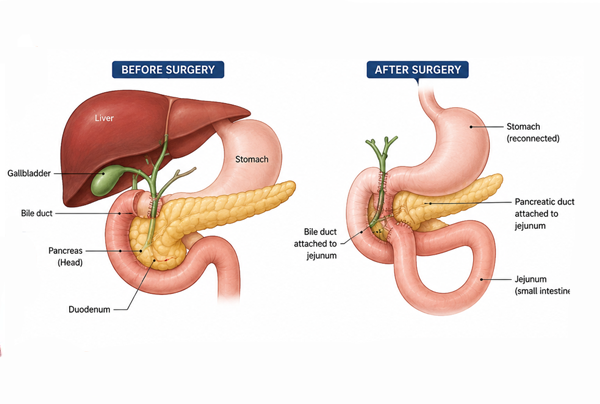
The Whipple Procedure, medically called Pancreaticoduodenectomy, is a major surgery performed to remove tumors located in:
- The head of the pancreas
- Lower bile duct
- Ampulla of Vater
- Duodenum (first part of the small intestine)
During the surgery, the surgeon may remove:
- Head of the pancreas
- Gallbladder
- Part of the bile duct
- Duodenum
- Sometimes part of the stomach
- Nearby lymph nodes
After removal, the digestive tract is reconstructed to allow digestion and food passage.
What is Pancreatic Cancer?
Pancreatic cancer develops when abnormal cells grow uncontrollably inside the pancreas, especially in the head of the pancreas.
The pancreas plays an important role in:
- Digestion
- Blood sugar regulation
- Enzyme production
Pancreatic cancer may spread silently during early stages, which makes early diagnosis very important.
Conditions Treated with Whipple Procedure
The Whipple Procedure may be performed for:
- Pancreatic cancer
- Ampullary cancer
- Distal bile duct cancer
- Duodenal cancer
- Selected pancreatic cystic tumors
- Neuroendocrine tumors of the pancreas
- Chronic pancreatitis in selected cases
Treatment planning depends on the stage and location of the disease.
How the Whipple Procedure Helps
The surgery helps patients by:
- Removing cancerous tissue effectively
- Preventing tumour progression and spread
- Relieving bile duct obstruction and jaundice
- Improving digestion and nutritional function
- Reducing abdominal pain and discomfort
- Improving appetite and weight maintenance
- Supporting long-term cancer management
- Enhancing overall quality of life
The Whipple Procedure remains one of the most effective curative treatments for localized pancreatic cancer.
Importance and Benefits of the Whipple Procedure
Effective Cancer Removal
The surgery aims to remove the tumour completely along with affected surrounding tissues.
Relief from Jaundice and Digestive Obstruction
Patients often experience improvement in bile flow and digestion after recovery.
Improved Long-Term Survival
Surgical treatment offers the best chance for long-term survival in suitable pancreatic cancer patients.
Comprehensive Cancer Management
The procedure is often combined with chemotherapy and multidisciplinary cancer care.
Better Symptom Control
The surgery helps reduce pain, nausea, vomiting, and digestive difficulties.
Advanced Surgical Techniques
Modern surgical approaches improve precision, safety, and postoperative recovery.
Symptoms of Pancreatic Cancer
Patients with pancreatic cancer may experience:
- Jaundice (yellowing of skin and eyes)
- Abdominal or back pain
- Unexplained weight loss
- Loss of appetite
- Nausea and vomiting
- Dark urine and pale stools
- Weakness and fatigue
- New-onset diabetes in some cases
Persistent symptoms should always be evaluated by a specialist.
Causes and Risk Factors
Pancreatic cancer may develop due to:
- Smoking and tobacco use
- Chronic pancreatitis
- Obesity
- Family history of pancreatic cancer
- Diabetes mellitus
- Increasing age
- Genetic syndromes in selected patients
Lifestyle factors can significantly influence cancer risk.
Diagnosis Before Whipple Procedure
Accurate diagnosis and staging are essential before surgery.
CT Scan
One of the most important investigations to assess tumour location and spread.
MRI and MRCP
Provide detailed imaging of the pancreas and bile ducts.
Endoscopic Ultrasound (EUS)
Helps evaluate tumour depth and obtain biopsy samples.
ERCP (Endoscopic Retrograde Cholangiopancreatography)
May be used to relieve bile duct obstruction and place stents.
Biopsy
Confirms the diagnosis of cancer.
Blood Tests and Tumour Markers
Help assess liver function and overall health.
Dr. Sanjay Verma performs a detailed evaluation before recommending surgery.
Treatment Planning for Pancreatic Cancer
Treatment depends on:
- Cancer stage
- Tumour location
- Blood vessel involvement
- Overall patient health
Management may include:
- Whipple Procedure
- Chemotherapy
- Radiation therapy
- Palliative procedures in advanced disease
Some patients may receive chemotherapy before surgery to improve outcomes.
Whipple Procedure Surgery Steps
The surgery is performed under general anesthesia.
Procedure Steps:
- The abdomen is carefully examined for tumour spread.
- The head of the pancreas and surrounding affected structures are removed.
- Nearby lymph nodes are dissected carefully.
- The digestive tract is reconstructed by reconnecting:
- Pancreas
- Bile duct
- Stomach or intestine
- Bleeding control and safety checks are performed thoroughly.
- Surgical drains may be placed temporarily.
The surgery is highly specialized and requires advanced surgical expertise.
Recovery After Whipple Procedure
Hospital Stay
Patients usually remain hospitalized for several days to weeks depending on recovery.
Postoperative Recovery
Recovery may include:
- Intensive monitoring initially
- Pain management
- Nutritional support
- Gradual diet progression
- Physiotherapy and breathing exercises
- Monitoring pancreatic and digestive function
Follow-Up Care
Regular follow-up appointments help monitor:
- Healing and recovery
- Nutritional status
- Digestive function
- Cancer surveillance and recurrence monitoring
Long-term follow-up is extremely important after pancreatic cancer surgery.
Risks and Safety Measures
Like all major cancer surgeries, the Whipple Procedure may involve certain risks such as:
- Infection
- Bleeding
- Pancreatic leakage
- Delayed gastric emptying
- Digestive difficulties
- Nutritional deficiencies
- Diabetes-related issues in some patients
However, advanced surgical techniques and experienced multidisciplinary care significantly improve safety and outcomes.
Nutritional and Lifestyle Recommendations After Surgery
Patients are usually advised to:
- Eat small frequent meals
- Maintain adequate hydration and nutrition
- Avoid smoking and alcohol
- Follow dietary guidance carefully
- Monitor blood sugar levels if required
- Attend regular cancer follow-up visits
Nutritional rehabilitation plays a major role in long-term recovery.
Why Choose Dr. Sanjay Verma in Vasant Kunj?
Expertise in Hepatobiliary and Pancreatic Surgery
Dr. Sanjay Verma specializes in advanced pancreatic, liver, and gastrointestinal cancer surgeries.
Advanced Cancer Surgical Techniques
Modern surgical approaches ensure precision, safety, and better postoperative recovery.
Personalized Cancer Treatment Planning
Every patient receives individualized multidisciplinary cancer care.
Comprehensive Pancreatic Cancer Management
Complete care is provided from diagnosis to surgery, chemotherapy coordination, and long-term follow-up.
Patient-Centered Care
Special attention is given to patient safety, nutrition, comfort, and long-term quality of life.
Trusted Pancreatic Cancer Surgeon in Vasant Kunj
Patients trust Dr. Sanjay Verma for compassionate and advanced treatment of pancreatic cancer and complex gastrointestinal diseases.
Frequently Asked Questions (FAQs)
1. What is the Whipple Procedure?
The Whipple Procedure is a major surgery performed to treat pancreatic cancer and nearby gastrointestinal tumors.
2. Is pancreatic cancer curable?
Early-stage pancreatic cancer may be treated successfully with surgery and comprehensive cancer care.
3. How long does Whipple surgery take?
The surgery is complex and may take several hours depending on the tumour and patient condition.
4. Can patients eat normally after Whipple Procedure?
Most patients gradually return to eating modified meals after recovery, though dietary adjustments are often necessary.
5. How long does recovery take after Whipple surgery?
Recovery varies depending on overall health and surgical complexity, but complete recovery may take several weeks to months.