
Robotic Surgery
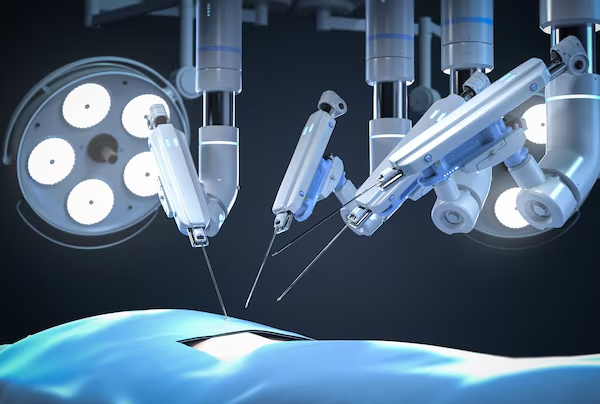
Robotic Surgery
Dr. Sanjay Verma offers advanced Robotic Surgery in Vasant Kunj for patients requiring highly precise and minimally invasive surgical treatment for gastrointestinal, colorectal, hernia, bariatric, hepatobiliary, and cancer-related conditions. Robotic-assisted surgery is one of the most advanced developments in modern surgical care, combining the expertise of the surgeon with high-definition robotic technology for enhanced precision, flexibility, and control.
Using state-of-the-art robotic surgical systems, Dr. Sanjay Verma performs complex procedures through very small incisions, resulting in reduced pain, minimal blood loss, faster recovery, and improved surgical outcomes. Robotic surgery provides superior visualization and greater accuracy compared to conventional open surgery and even standard laparoscopy in selected cases. The advanced technology helps improve patient safety, reduce complications, and support quicker return to daily activities.
What is Robotic Surgery?
Robotic Surgery is a minimally invasive surgical technique in which the surgeon performs procedures using a computer-assisted robotic system.
The robotic system includes:
- High-definition 3D camera
- Robotic surgical arms
- Advanced precision instruments
- Surgeon-controlled console
The robotic system does not operate independently. Every movement is fully controlled by the surgeon with enhanced precision and stability.
How Robotic Surgery Works
During robotic surgery:
- Small incisions are made in the body.
- Robotic instruments and a camera are inserted.
- The surgeon controls robotic arms from a specialized console.
- The system translates hand movements into highly precise surgical actions.
- Magnified 3D imaging provides detailed visualization of tissues and organs.
This allows complex surgeries to be performed with exceptional accuracy and minimal tissue damage.
Conditions Treated with Robotic Surgery
Robotic surgery may be used for:
- Hernia repair
- Colorectal surgery
- Gallbladder surgery
- Bariatric surgery
- GI cancer surgery
- Liver and pancreatic surgery
- Rectal prolapse surgery
- Hiatal hernia surgery
- Gastrointestinal tumor removal
- Complex abdominal procedures
Treatment planning depends on the disease type and patient condition.
How Robotic Surgery Helps
Robotic-assisted surgery helps patients by:
- Improving surgical precision
- Reducing tissue trauma
- Minimizing blood loss
- Enhancing cancer removal accuracy
- Reducing postoperative pain
- Improving recovery time
- Lowering complication risk
- Supporting faster return to normal life
The robotic platform provides excellent control in delicate and complex surgical procedures.
Importance and Benefits of Robotic Surgery
Minimally Invasive Procedure
Robotic surgery offers:
- Smaller incisions
- Minimal scarring
- Reduced postoperative pain
- Faster healing
- Less blood loss
Enhanced Surgical Precision
Robotic instruments provide improved dexterity and accuracy compared to conventional surgery.
High-Definition 3D Visualization
The robotic camera offers magnified three-dimensional imaging for precise tissue identification.
Reduced Risk of Complications
Improved precision helps reduce injury to nearby tissues and organs.
Faster Recovery and Shorter Hospital Stay
Patients often recover more quickly and require shorter hospitalization.
Better Outcomes in Complex Surgeries
Robotic systems are particularly useful for complex gastrointestinal and cancer surgeries.
Symptoms and Conditions That May Require Robotic Surgery
Patients may require robotic surgery for conditions causing:
- Abdominal pain
- Hernias
- Gastrointestinal tumors
- Gallbladder disease
- Obesity-related disorders
- Rectal prolapse
- Chronic reflux disease
- Colorectal cancer
- Liver or pancreatic disorders
Early specialist evaluation helps determine the most suitable surgical approach.
Diagnosis Before Robotic Surgery
Accurate diagnosis is essential before planning robotic surgery.
Ultrasound
Used to assess abdominal and gallbladder conditions.
CT Scan
Provides detailed evaluation of abdominal organs and tumors.
MRI
Useful for colorectal, liver, pancreatic, and pelvic conditions.
Endoscopy and Colonoscopy
Help examine the digestive tract directly.
Blood Tests
Assess overall health and surgical fitness.
Dr. Sanjay Verma performs comprehensive evaluation before recommending robotic surgery.
Types of Robotic Surgery Procedures
Robotic Hernia Repair
Advanced minimally invasive repair of abdominal wall and groin hernias.
Robotic Colorectal Surgery
Performed for colorectal cancers and bowel disorders.
Robotic Bariatric Surgery
Used for obesity and metabolic surgery procedures.
Robotic GI Cancer Surgery
Performed for stomach, colon, rectal, liver, and pancreatic cancers.
Robotic Gallbladder Surgery
Used for complex gallbladder conditions and cancer surgery.
Robotic Hiatal Hernia Surgery
Performed for reflux disease and diaphragmatic hernias.
Robotic Surgery Procedure
The surgery is performed under general anesthesia.
Procedure Steps:
- Small incisions are made in the surgical area.
- Robotic instruments and camera are inserted carefully.
- The robotic system is connected and positioned.
- The surgeon controls the robotic arms from the console.
- Diseased tissue is removed or repaired with high precision.
- The surgical area is inspected thoroughly for safety.
- Instruments are removed and incisions are closed.
The duration of surgery depends on the complexity and type of procedure.
Recovery After Robotic Surgery
Hospital Stay
Many patients experience shorter hospitalization compared to open surgery.
Postoperative Recovery
Recovery may include:
- Pain management
- Early walking and mobility
- Gradual diet progression
- Wound care
- Hydration and nutritional support
Follow-Up Care
Regular follow-up appointments help monitor:
- Healing progress
- Surgical recovery
- Return to normal activities
- Long-term treatment outcomes
Most patients gradually resume routine activities within a few weeks.
Risks and Safety Measures
Like all surgical procedures, robotic surgery may involve certain risks such as:
- Infection
- Bleeding
- Injury to nearby organs
- Anesthesia-related complications
- Blood clots
However, advanced robotic technology and experienced surgical expertise significantly improve precision, safety, and patient outcomes.
Lifestyle and Recovery Recommendations
Patients are usually advised to:
- Maintain a healthy diet
- Stay physically active after recovery
- Avoid smoking and alcohol
- Follow postoperative instructions carefully
- Attend regular follow-up visits
- Maintain healthy body weight
Healthy lifestyle habits support long-term recovery and overall well-being.
Why Choose Dr. Sanjay Verma in Vasant Kunj?
Expertise in Advanced Robotic and GI Surgery
Dr. Sanjay Verma specializes in robotic, laparoscopic, gastrointestinal, colorectal, bariatric, and cancer surgeries.
Advanced Robotic Technology
Modern robotic systems ensure greater surgical precision, safety, and improved outcomes.
Personalized Treatment Planning
Every patient receives individualized diagnosis and surgical planning according to their condition.
Comprehensive Surgical Care
Complete care is provided from diagnosis to surgery and postoperative recovery.
Patient-Centered Care
Special attention is given to patient comfort, safety, and long-term recovery.
Trusted Robotic Surgeon in Vasant Kunj
Patients trust Dr. Sanjay Verma for compassionate and advanced robotic-assisted surgical treatment for complex abdominal and gastrointestinal conditions.
Frequently Asked Questions (FAQs)
1. What is robotic surgery?
Robotic surgery is a minimally invasive surgical technique in which the surgeon uses a robotic system to perform highly precise operations.
2. Is robotic surgery safe?
Yes, robotic surgery is considered safe and effective when performed by an experienced robotic surgeon.
3. What are the benefits of robotic surgery?
Benefits include smaller incisions, less pain, reduced blood loss, faster recovery, minimal scarring, and improved surgical precision.
4. Is robotic surgery better than open surgery?
In many cases, robotic surgery offers faster recovery, less pain, and smaller scars compared to traditional open surgery.
5. How long does recovery take after robotic surgery?
Recovery depends on the type of surgery and patient condition, but many patients recover faster compared to conventional surgery.