
Anorectal Surgery
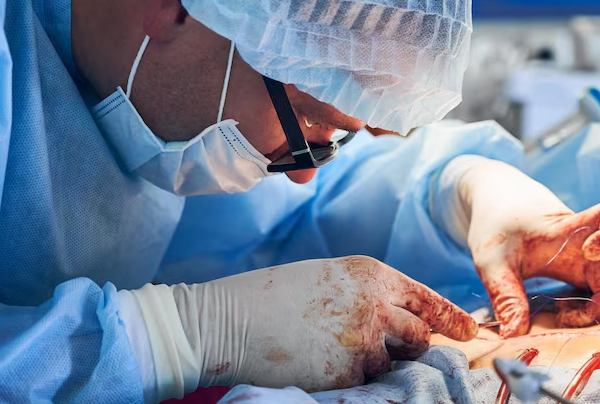
Anorectal Surgery
Dr. Sanjay Verma offers advanced Anorectal Surgery in Vasant Kunj for patients suffering from disorders affecting the anus, rectum, and surrounding tissues. Anorectal conditions such as piles (hemorrhoids), fissures, fistulas, abscesses, rectal prolapse, and other colorectal disorders can cause severe pain, bleeding, swelling, infection, discomfort during bowel movements, and significant impact on daily life.
Using advanced minimally invasive and modern surgical techniques, Dr. Sanjay Verma provides safe and effective anorectal treatment with faster recovery, minimal pain, reduced complications, and improved long-term outcomes. Early diagnosis and timely treatment are important to prevent worsening symptoms, chronic infection, bleeding, bowel complications, and recurrent disease. Comprehensive anorectal care focuses on restoring comfort, bowel function, and overall quality of life.
What is Anorectal Surgery?
Anorectal Surgery involves surgical treatment of diseases affecting:
- Anus
- Rectum
- Anal canal
- Surrounding colorectal tissues
The surgery may involve:
- Removal of diseased tissue
- Drainage of infection
- Repair of anal and rectal abnormalities
- Treatment of bleeding and painful conditions
- Correction of bowel-related disorders
The goal is to relieve symptoms, restore normal bowel function, and improve patient comfort.
Conditions Treated with Anorectal Surgery
Anorectal surgery may be recommended for:
- Piles (Hemorrhoids)
- Anal fissure
- Anal fistula
- Perianal abscess
- Rectal prolapse
- Pilonidal sinus
- Anal polyps
- Anal warts
- Rectal bleeding disorders
- Colorectal and anorectal tumors
Treatment planning depends on the severity and type of anorectal disease.
Common Anorectal Disorders
Hemorrhoids (Piles)
Swollen veins in the anal region causing pain, bleeding, itching, and swelling.
Anal Fissure
A painful tear in the lining of the anal canal causing severe pain and bleeding during bowel movements.
Anal Fistula
An abnormal tunnel between the anal canal and surrounding skin often caused by infection.
Perianal Abscess
A painful collection of pus near the anus requiring drainage and treatment.
Rectal Prolapse
A condition where the rectum protrudes outside the anus due to weakened support tissues.
Pilonidal Sinus
An infected cyst or sinus near the tailbone causing pain and discharge.
How Anorectal Surgery Helps
The surgery helps patients by:
- Relieving pain and discomfort
- Treating infection and swelling
- Controlling rectal bleeding
- Improving bowel movements
- Preventing recurrence and complications
- Restoring anorectal function
- Improving hygiene and comfort
- Enhancing quality of life
Modern minimally invasive techniques improve recovery and long-term outcomes.
Importance and Benefits of Modern Anorectal Surgery
Minimally Invasive Treatment Options
Modern anorectal surgery offers:
- Smaller wounds
- Reduced postoperative pain
- Faster healing
- Minimal bleeding
- Reduced hospital stay
Faster Recovery
Most patients recover quickly and return to routine activities earlier.
Improved Patient Comfort
Advanced surgical techniques reduce discomfort during and after treatment.
Reduced Risk of Recurrence
Proper surgical treatment lowers the chances of disease recurrence.
Better Long-Term Outcomes
Timely treatment helps prevent chronic complications and bowel problems.
Symptoms That May Require Anorectal Surgery
Patients with anorectal disorders may experience:
- Pain during bowel movements
- Rectal bleeding
- Swelling around the anus
- Itching and irritation
- Pus or discharge
- Constipation
- Prolapse or protrusion from the anus
- Difficulty sitting comfortably
- Recurrent anal infections
Persistent anorectal symptoms should always be evaluated by a specialist.
Causes and Risk Factors
Anorectal disorders may develop due to:
- Chronic constipation
- Excessive straining
- Low-fiber diet
- Sedentary lifestyle
- Obesity
- Poor bowel habits
- Chronic diarrhea
- Pregnancy
- Infections and inflammation
Lifestyle and bowel habits significantly affect anorectal health.
Diagnosis Before Surgery
Accurate diagnosis is essential before treatment planning.
Physical Examination
Helps identify swelling, fissures, fistulas, and prolapse.
Proctoscopy
Allows examination of the anal canal and rectum.
Colonoscopy
May be recommended to evaluate colorectal conditions and rectal bleeding.
MRI or CT Scan
Used for complex fistulas, abscesses, or rectal disorders.
Blood Tests
Help assess infection, bleeding, and overall health.
Dr. Sanjay Verma performs detailed evaluation before recommending surgery.
Types of Anorectal Surgery
Hemorrhoid Surgery (Hemorrhoidectomy)
Performed to remove enlarged and painful piles.
Laser Treatment for Piles
Minimally invasive laser treatment for hemorrhoids with faster recovery.
Fissure Surgery
Performed to treat chronic anal fissures and reduce sphincter spasm.
Fistula Surgery
Used to remove fistula tracts and control infection.
Abscess Drainage
Performed to remove pus and treat painful infections.
Rectal Prolapse Surgery
Used to restore the rectum to its normal position.
Pilonidal Sinus Surgery
Performed to remove infected sinus tracts near the tailbone.
Anorectal Surgery Procedure
The procedure may be performed under local, spinal, or general anesthesia depending on the condition.
Procedure Steps:
- The anorectal condition is identified carefully.
- Diseased or infected tissue is treated or removed.
- Infection or abscesses are drained if present.
- Bleeding control and tissue repair are performed.
- Advanced minimally invasive techniques may be used.
- The treated area is inspected thoroughly for safety.
The duration of surgery depends on the type and complexity of the condition.
Recovery After Anorectal Surgery
Hospital Stay
Many anorectal procedures are performed as daycare or short-stay surgeries.
Postoperative Recovery
Recovery may include:
- Pain management
- Sitz bath and hygiene care
- Dietary modifications
- Hydration support
- Stool softeners if required
Follow-Up Care
Regular follow-up appointments help monitor:
- Healing progress
- Infection control
- Bowel function
- Prevention of recurrence
Most patients gradually resume normal activities within a short period.
Risks and Safety Measures
Like all surgical procedures, anorectal surgery may involve certain risks such as:
- Infection
- Bleeding
- Pain during recovery
- Temporary bowel discomfort
- Recurrence of disease
- Delayed wound healing
However, advanced surgical techniques and experienced colorectal care significantly improve safety and outcomes.
Lifestyle and Dietary Recommendations
Patients are usually advised to:
- Eat a high-fiber diet
- Maintain proper hydration
- Avoid excessive straining
- Exercise regularly
- Maintain proper anal hygiene
- Follow bowel health recommendations carefully
Healthy bowel habits help prevent recurrence and support long-term recovery.
Why Choose Dr. Sanjay Verma in Vasant Kunj?
Expertise in Colorectal and Anorectal Surgery
Dr. Sanjay Verma specializes in advanced anorectal, colorectal, gastrointestinal, and minimally invasive surgeries.
Advanced Minimally Invasive Techniques
Modern laser and laparoscopic techniques ensure precision, safety, and faster recovery.
Personalized Treatment Planning
Every patient receives individualized diagnosis and treatment according to disease severity.
Comprehensive Anorectal Care
Complete care is provided from diagnosis to surgery and postoperative follow-up.
Patient-Centered Care
Special attention is given to patient comfort, bowel health, and long-term recovery.
Trusted Anorectal Surgeon in Vasant Kunj
Patients trust Dr. Sanjay Verma for compassionate and advanced treatment of anorectal disorders and colorectal diseases.
Frequently Asked Questions (FAQs)
1. What is anorectal surgery?
Anorectal surgery involves treatment of diseases affecting the anus, rectum, and anal canal such as piles, fissures, fistulas, and abscesses.
2. Is anorectal surgery painful?
Modern minimally invasive and laser techniques significantly reduce pain and improve recovery.
3. What conditions require anorectal surgery?
Conditions such as piles, fissures, fistulas, rectal prolapse, abscesses, and pilonidal sinus may require surgical treatment.
4. How long does recovery take after anorectal surgery?
Recovery depends on the procedure performed, but many patients recover within a few weeks.
5. Can anorectal disorders recur after surgery?
Recurrence is possible in some cases, but proper treatment and healthy bowel habits significantly reduce the risk.