
Laparoscopic Hiatus Hernia Repair
Laparoscopic Hiatus Hernia Repair
A hiatus hernia occurs when a portion of the stomach pushes upward through the diaphragm into the chest cavity. While some people experience no symptoms, others may suffer from persistent acid reflux, heartburn, chest discomfort, regurgitation, and difficulty swallowing. When lifestyle modifications and medications fail to provide adequate relief, Laparoscopic Hiatus Hernia Repair in Vasant Kunj offers a safe and effective surgical solution.
Dr. Sanjay Verma provides comprehensive diagnosis and advanced minimally invasive treatment for hiatus hernia. Using modern laparoscopic techniques, he focuses on relieving symptoms, preventing complications, and helping patients return to a healthier, more comfortable life with faster recovery and minimal postoperative discomfort.
What is a Hiatus Hernia?
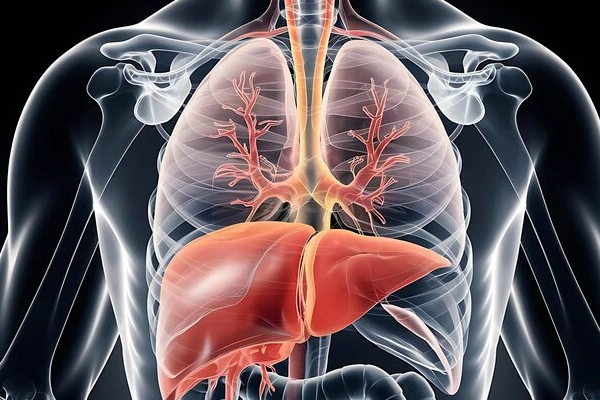
A hiatus hernia develops when the upper part of the stomach protrudes through the natural opening (hiatus) in the diaphragm into the chest. The diaphragm normally helps keep the stomach in its proper position, but weakness in this muscle can allow the stomach to move upward.
There are two common types:
Sliding Hiatus Hernia
The stomach and lower esophagus slide upward into the chest. This is the most common type.
Paraesophageal Hiatus Hernia
Part of the stomach pushes beside the esophagus into the chest. Although less common, it carries a higher risk of complications and may require surgery.
Patients seeking Laparoscopic Hiatus Hernia Repair in Vasant Kunj receive a thorough evaluation to determine the severity of the condition and the most appropriate treatment.
Symptoms of Hiatus Hernia
Many patients experience symptoms related to acid reflux, while larger hernias may cause additional discomfort.
Common symptoms include:
- Persistent heartburn
- Acid reflux
- Chest pain
- Difficulty swallowing
- Frequent burping
- Regurgitation of food or acid
- Chronic cough
- Hoarseness of voice
- Feeling of fullness after meals
- Shortness of breath in large hernias
- Nausea or vomiting
If these symptoms persist despite medication, consultation with Dr. Sanjay Verma is recommended.
Causes and Risk Factors
Several factors can increase the likelihood of developing a hiatus hernia:
- Advancing age
- Obesity
- Pregnancy
- Chronic coughing
- Heavy lifting
- Smoking
- Chronic constipation
- Increased abdominal pressure
- Previous abdominal surgery
- Congenital weakness of the diaphragm
Understanding the underlying cause helps guide the most effective treatment plan.
When is Laparoscopic Hiatus Hernia Repair Recommended?
Surgery may be recommended if patients have:
- Severe or persistent GERD
- Large hiatus hernia
- Difficulty swallowing
- Recurrent chest discomfort
- Poor response to medications
- Barrett's esophagus
- Bleeding from the hernia
- Strangulated or incarcerated hernia
- Recurrent aspiration due to reflux
- Complications affecting daily life
Dr. Sanjay Verma carefully evaluates every patient before recommending Laparoscopic Hiatus Hernia Repair in Vasant Kunj.
Diagnosis Before Surgery
Accurate diagnosis is essential before planning surgery. Investigations may include:
Upper GI Endoscopy
To examine the esophagus and stomach lining.
Barium Swallow Study
Helps identify the size and position of the hernia.
Esophageal Manometry
Measures esophageal muscle function.
24-Hour pH Monitoring
Evaluates acid reflux severity.
CT Scan
May be advised in selected cases.
Routine Blood Tests
These tests help determine the extent of the hernia and the best treatment approach.
Procedure of Laparoscopic Hiatus Hernia Repair
The surgery is performed under general anesthesia using minimally invasive techniques.
The procedure generally includes:
- Small keyhole incisions are made in the abdomen.
- A laparoscope is inserted to provide a magnified view.
- The stomach is gently returned to its normal position.
- The enlarged opening in the diaphragm is repaired with sutures.
- In many patients, fundoplication is performed to reduce future acid reflux.
- The instruments are removed, and the incisions are closed.
The operation usually takes between one and three hours depending on the complexity of the hernia.
Benefits of Laparoscopic Hiatus Hernia Repair
Patients choosing Laparoscopic Hiatus Hernia Repair in Vasant Kunj can expect several advantages:
- Relief from chronic acid reflux
- Reduced heartburn symptoms
- Improved swallowing
- Smaller incisions
- Minimal postoperative pain
- Less blood loss
- Lower infection risk
- Short hospital stay
- Faster recovery
- Minimal scarring
- Improved quality of life
- Reduced dependence on long-term medications
Most patients notice significant improvement in their symptoms after recovery.
Recovery After Surgery
Recovery is generally smooth with laparoscopic surgery.
Patients are advised to:
- Follow a liquid and soft diet initially
- Eat small, frequent meals
- Avoid heavy lifting for several weeks
- Walk regularly to improve circulation
- Stay hydrated
- Avoid smoking and alcohol
- Take medications as prescribed
- Attend regular follow-up appointments
Most patients return to routine daily activities within two to four weeks, depending on their overall health and recovery.
Why Choose Dr. Sanjay Verma for Laparoscopic Hiatus Hernia Repair in Vasant Kunj?
Dr. Sanjay Verma provides advanced surgical care for patients with hiatus hernia using evidence-based, minimally invasive techniques. Every treatment plan is tailored to the patient's symptoms, medical history, and overall health.
Reasons patients choose Dr. Sanjay Verma include:
- Expertise in advanced laparoscopic gastrointestinal surgery
- Comprehensive preoperative evaluation
- Personalized treatment planning
- Modern minimally invasive techniques
- Focus on patient safety and comfort
- Faster recovery protocols
- Compassionate patient care
- Long-term postoperative follow-up
- Management of associated GERD and reflux disorders
Patients looking for Laparoscopic Hiatus Hernia Repair in Vasant Kunj receive high-quality care designed to deliver lasting relief and improved digestive health.
Tips to Prevent Recurrence
After successful surgery, patients can reduce the risk of recurrence by:
- Maintaining a healthy body weight
- Avoiding heavy lifting
- Eating smaller meals
- Avoiding lying down immediately after eating
- Quitting smoking
- Managing chronic cough
- Treating constipation
- Following regular exercise routines
- Keeping scheduled follow-up appointments
These lifestyle measures support long-term surgical success.
Conclusion
A hiatus hernia can significantly affect your daily life when left untreated, causing chronic acid reflux, discomfort, and swallowing difficulties. Laparoscopic Hiatus Hernia Repair in Vasant Kunj offers a safe, effective, and minimally invasive solution for long-lasting relief. With expert diagnosis, advanced surgical techniques, and individualized care, Dr. Sanjay Verma is committed to helping patients achieve the best possible outcomes and return to a healthier lifestyle.
Frequently Asked Questions (FAQ)
1. What is laparoscopic hiatus hernia repair?
It is a minimally invasive surgical procedure that restores the stomach to its normal position and repairs the opening in the diaphragm to treat a hiatus hernia.
2. Is laparoscopic hiatus hernia repair painful?
Most patients experience only mild postoperative discomfort, which is generally well managed with medications.
3. How long does recovery take after surgery?
Most patients can return to normal daily activities within two to four weeks, depending on their recovery and overall health.
4. Will surgery permanently cure acid reflux?
Many patients experience significant and long-lasting relief from acid reflux, especially when fundoplication is performed along with hernia repair.
5. Why choose Dr. Sanjay Verma for Laparoscopic Hiatus Hernia Repair in Vasant Kunj?
Dr. Sanjay Verma offers advanced minimally invasive surgical expertise, personalized treatment plans, comprehensive evaluation, and dedicated postoperative care for optimal patient outcomes.