
Total Gastrectomy
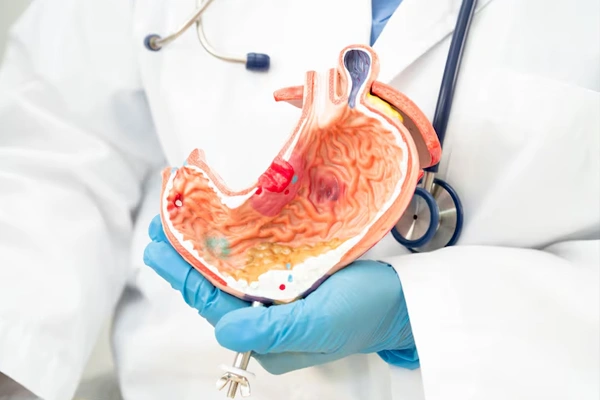
Total Gastrectomy
A total gastrectomy is a major surgical procedure performed to remove the entire stomach when it is extensively affected by cancer or other serious gastric conditions. It is most commonly recommended for advanced stomach cancer, diffuse gastric cancer, hereditary gastric cancer syndromes, and certain complex non-cancerous conditions where preserving the stomach is not possible. After the stomach is removed, the esophagus is directly connected to the small intestine, allowing food to continue passing through the digestive system.
If you are looking for Total Gastrectomy in Vasant Kunj, Dr. Sanjay Verma provides comprehensive evaluation, advanced surgical expertise, and personalized treatment plans tailored to each patient's condition. His focus on patient safety, minimally invasive techniques whenever appropriate, and dedicated postoperative care helps patients achieve the best possible outcomes.
What is a Total Gastrectomy?
A total gastrectomy is a surgical procedure in which the entire stomach is removed. The surgeon then reconstructs the digestive tract by connecting the esophagus directly to the small intestine (Roux-en-Y esophagojejunostomy), enabling food to pass through the digestive system.
The procedure may be performed using traditional open surgery or minimally invasive laparoscopic techniques, depending on the patient's diagnosis, stage of disease, and overall health.
Patients seeking Total Gastrectomy in Vasant Kunj undergo a detailed evaluation to determine the most suitable surgical approach.
When is Total Gastrectomy Recommended?
Dr. Sanjay Verma may recommend total gastrectomy for patients with:
- Advanced stomach cancer
- Diffuse gastric cancer
- Multiple stomach tumors
- Hereditary diffuse gastric cancer (selected patients)
- Large gastrointestinal stromal tumors (GIST)
- Extensive precancerous stomach conditions
- Severe gastric polyposis syndromes
- Recurrent stomach cancer
- Extensive stomach damage due to certain rare conditions
Every treatment plan is customized based on the patient's diagnosis and overall health.
Symptoms That May Require Evaluation
Patients should seek medical attention if they experience:
- Persistent upper abdominal pain
- Difficulty eating
- Early fullness after meals
- Unexplained weight loss
- Persistent nausea or vomiting
- Blood in vomit
- Black or tarry stools
- Loss of appetite
- Fatigue due to anemia
- Difficulty swallowing (in upper stomach cancers)
Early diagnosis improves treatment options and surgical outcomes.
Causes and Risk Factors
Several factors increase the risk of conditions requiring total gastrectomy:
- Stomach cancer
- Chronic Helicobacter pylori infection
- Family history of gastric cancer
- Smoking
- Excessive alcohol intake
- Long-standing chronic gastritis
- High-salt and processed food consumption
- Gastric polyps
- Genetic syndromes associated with gastric cancer
- Previous stomach surgery
Identifying these risk factors allows early diagnosis and timely intervention.
Diagnosis Before Total Gastrectomy
Before surgery, Dr. Sanjay Verma performs a comprehensive assessment that may include:
Upper GI Endoscopy
To visualize the stomach and obtain biopsy samples.
Biopsy
Confirms the diagnosis through microscopic examination.
CT Scan
Determines the extent of disease and evaluates nearby organs.
PET-CT Scan
May be recommended for cancer staging in selected patients.
Endoscopic Ultrasound (EUS)
Helps assess tumor depth and nearby lymph nodes.
Blood Tests
Evaluate overall health, nutritional status, and fitness for surgery.
These investigations help develop the most appropriate treatment plan.
Procedure of Total Gastrectomy
The surgery is performed under general anesthesia.
The procedure generally involves:
- The entire stomach is carefully removed.
- Nearby lymph nodes may also be removed when treating cancer.
- The esophagus is connected directly to the small intestine using a Roux-en-Y reconstruction.
- The surgical site is checked for bleeding and leakage.
- The incisions are closed after completing the reconstruction.
Depending on the patient's condition, the procedure may be performed laparoscopically or through an open surgical approach.
Benefits of Total Gastrectomy
Choosing Total Gastrectomy in Vasant Kunj offers several important benefits:
- Complete removal of diseased stomach tissue
- Effective treatment for extensive stomach cancer
- Reduced risk of disease progression
- Improved long-term survival in eligible patients
- Removal of affected lymph nodes when necessary
- Personalized cancer management
- Advanced surgical care
- Minimally invasive options for selected patients
- Comprehensive postoperative support
- Improved quality of life after recovery
Timely surgery can significantly improve long-term outcomes.
Recovery After Total Gastrectomy
Recovery varies depending on the patient's health and the complexity of surgery.
Patients are generally advised to:
- Begin with liquids before gradually progressing to soft foods
- Eat six to eight small meals each day
- Chew food thoroughly
- Stay well hydrated
- Follow a nutrition plan prepared by the healthcare team
- Take prescribed vitamin and mineral supplements, including Vitamin B12 when advised
- Avoid heavy lifting during recovery
- Attend regular follow-up appointments
Most patients gradually adapt to dietary changes over the following weeks and months with appropriate nutritional guidance.
Life After Total Gastrectomy
Living without a stomach requires certain long-term dietary adjustments, but most patients are able to enjoy an active and healthy life.
Helpful recommendations include:
- Eat smaller, more frequent meals
- Choose high-protein, nutrient-rich foods
- Avoid overeating
- Limit sugary foods if dumping syndrome occurs
- Stay hydrated between meals
- Maintain regular physical activity
- Follow nutritional supplementation as recommended
- Keep up with scheduled medical reviews
Ongoing follow-up helps monitor nutrition and overall health.
Why Choose Dr. Sanjay Verma for Total Gastrectomy in Vasant Kunj?
Dr. Sanjay Verma provides expert surgical care for patients with complex stomach diseases using modern techniques and evidence-based treatment protocols. Every patient receives individualized care from diagnosis through recovery.
Reasons to choose Dr. Sanjay Verma include:
- Expertise in advanced gastrointestinal surgery
- Comprehensive cancer evaluation
- Personalized treatment planning
- Advanced laparoscopic techniques where appropriate
- Focus on patient safety
- Multidisciplinary treatment approach
- Dedicated postoperative and nutritional support
- Compassionate patient-centered care
- Long-term follow-up for optimal recovery
Patients seeking Total Gastrectomy in Vasant Kunj receive comprehensive care focused on achieving the best possible surgical and long-term health outcomes.
Conclusion
A total gastrectomy is a life-saving surgical procedure for patients with advanced stomach cancer and certain complex gastric disorders. Although it requires significant dietary adjustments after surgery, most patients can achieve a good quality of life with proper medical care and nutritional support. If you are considering Total Gastrectomy in Vasant Kunj, Dr. Sanjay Verma offers expert evaluation, advanced surgical treatment, and comprehensive postoperative care to support your recovery and long-term well-being.
Frequently Asked Questions (FAQ)
1. What is a total gastrectomy?
A total gastrectomy is a surgical procedure in which the entire stomach is removed, and the esophagus is connected directly to the small intestine.
2. Why is a total gastrectomy performed?
It is commonly recommended for advanced stomach cancer, diffuse gastric cancer, hereditary gastric cancer syndromes, and other extensive gastric diseases.
3. Can a person live without a stomach?
Yes. Although dietary habits need to change, most patients can live a healthy and active life with proper nutrition, vitamin supplementation, and regular medical follow-up.
4. Is laparoscopic total gastrectomy possible?
Yes. Depending on the patient's condition, minimally invasive laparoscopic surgery may be an appropriate option.
5. Why choose Dr. Sanjay Verma for Total Gastrectomy in Vasant Kunj?
Dr. Sanjay Verma provides advanced gastrointestinal surgical expertise, individualized treatment plans, comprehensive nutritional support, and dedicated postoperative care to help patients achieve the best possible outcomes.