
Surgery for Benign and Malignant Tumors of Small Intestine
Surgery for Benign and Malignant Tumors of Small Intestine
Tumors of the small intestine are relatively uncommon but can significantly affect digestive health if left untreated. These tumors may be benign (non-cancerous) or malignant (cancerous) and can cause symptoms such as abdominal pain, intestinal bleeding, bowel obstruction, unexplained weight loss, or anemia. Early diagnosis and timely surgical treatment are essential for achieving the best possible outcomes.
If you are looking for Surgery for Benign and Malignant Tumors of Small Intestine in Vasant Kunj, Dr. Sanjay Verma offers comprehensive evaluation, advanced gastrointestinal surgery, and individualized treatment plans. With expertise in gastrointestinal and oncological surgery, he provides safe, evidence-based care tailored to each patient's condition.
What are Small Intestine Tumors?
The small intestine is responsible for absorbing nutrients and plays a vital role in digestion. Tumors can develop anywhere within the small intestine and may be benign or malignant.
Common benign tumors include:
- Adenomas
- Lipomas
- Leiomyomas
- Hamartomas
Common malignant tumors include:
- Adenocarcinoma
- Neuroendocrine tumors (Carcinoid tumors)
- Gastrointestinal Stromal Tumors (GIST)
- Lymphoma
- Sarcoma
Surgery for Benign and Malignant Tumors of Small Intestine in Vasant Kunj aims to remove the tumor completely while preserving as much healthy intestine as possible.
Causes and Risk Factors
Several factors may increase the risk of developing small intestine tumors, including:
- Family history of gastrointestinal cancers
- Crohn's disease
- Celiac disease
- Genetic syndromes such as Familial Adenomatous Polyposis (FAP)
- Lynch syndrome
- Chronic intestinal inflammation
- Smoking
- Excessive alcohol consumption
- Increasing age
Early evaluation is recommended for individuals with persistent gastrointestinal symptoms or known risk factors.
Symptoms of Small Intestine Tumors
Many tumors remain asymptomatic in the early stages. As they grow, patients may experience:
- Persistent abdominal pain
- Abdominal bloating
- Unexplained weight loss
- Blood in the stool
- Chronic anemia
- Fatigue
- Nausea and vomiting
- Loss of appetite
- Intestinal obstruction
- Change in bowel habits
Persistent symptoms should always be evaluated by a specialist.
Diagnosis Before Surgery
Before recommending Surgery for Benign and Malignant Tumors of Small Intestine in Vasant Kunj, Dr. Sanjay Verma performs a detailed evaluation that may include:
- Medical history
- Physical examination
- Blood investigations
- Stool tests
- CT scan
- MRI
- CT Enterography
- Capsule endoscopy
- Balloon-assisted enteroscopy
- Endoscopic biopsy
- PET-CT when indicated
These investigations help determine the type, size, location, and extent of the tumor.
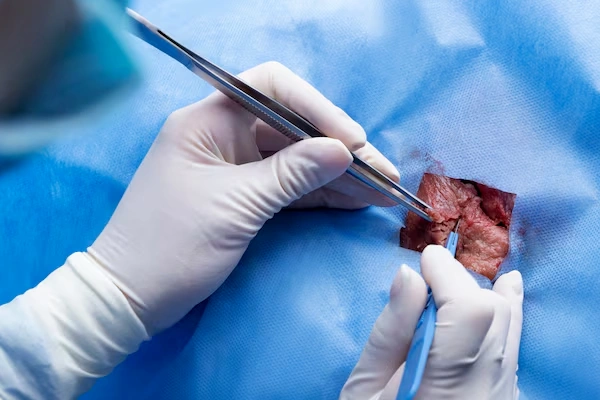
How is Surgery Performed?
The surgical approach depends on the size, location, and nature of the tumor.
The procedure generally includes:
- Administration of general anesthesia.
- Identification of the affected segment of the small intestine.
- Removal of the tumor along with an adequate margin of healthy tissue.
- Removal of nearby lymph nodes if cancer is suspected.
- Reconnection of the healthy ends of the intestine (intestinal anastomosis).
- Careful closure of the surgical incision.
Depending on the condition, surgery may be performed using minimally invasive laparoscopic techniques or through an open approach.
Benefits of Surgery
Choosing Surgery for Benign and Malignant Tumors of Small Intestine in Vasant Kunj offers several benefits:
- Complete removal of the tumor
- Relief from abdominal symptoms
- Prevention of bowel obstruction
- Control of intestinal bleeding
- Accurate diagnosis through pathological examination
- Improved digestive function
- Better cancer management
- Reduced risk of disease progression
- Improved quality of life
- Long-term treatment success
Recovery After Surgery
Recovery varies depending on the complexity of the surgery.
Most patients:
- Stay in the hospital for several days
- Begin walking within 24 hours after surgery
- Resume oral intake gradually
- Return to light activities within two to four weeks
- Attend scheduled follow-up visits
- May require chemotherapy or additional treatment for malignant tumors based on pathology results
Following postoperative instructions helps ensure smooth recovery.
Possible Risks
Although surgery is generally safe, potential risks include:
- Bleeding
- Infection
- Leakage at the intestinal connection
- Bowel obstruction
- Delayed wound healing
- Temporary digestive disturbances
- Blood clots
- Need for additional treatment in malignant cases
These risks are minimized through meticulous surgical planning and experienced postoperative care.
Why Choose Dr. Sanjay Verma?
Patients seeking Surgery for Benign and Malignant Tumors of Small Intestine in Vasant Kunj trust Dr. Sanjay Verma for his expertise in gastrointestinal and oncological surgery.
Reasons to choose Dr. Sanjay Verma include:
- Expertise in gastrointestinal tumor surgery
- Comprehensive diagnostic evaluation
- Personalized treatment planning
- Advanced minimally invasive surgical techniques
- Expertise in cancer surgery
- Multidisciplinary treatment approach
- Focus on patient safety
- Comprehensive postoperative care
- Transparent communication
- Commitment to excellent long-term outcomes
Every treatment plan is customized according to the patient's diagnosis, tumor type, and overall health.
Frequently Asked Questions (FAQs)
Are all small intestine tumors cancerous?
No. Small intestine tumors can be benign or malignant. Proper evaluation and biopsy help determine the exact diagnosis.
What are the common symptoms of small intestine tumors?
Abdominal pain, bleeding, unexplained weight loss, anemia, nausea, vomiting, and bowel obstruction are among the most common symptoms.
Is surgery necessary for benign tumors?
Many benign tumors require surgical removal if they cause symptoms, bleeding, obstruction, or have the potential to become cancerous.
Can small intestine cancer be cured?
If diagnosed early and completely removed through surgery, many patients achieve excellent long-term outcomes. Additional treatment may be required depending on the tumor type and stage.
How long does recovery take?
Most patients gradually recover over several weeks, depending on the extent of surgery and their overall health.
Is laparoscopic surgery possible?
Yes. Many small intestine tumors can be treated using minimally invasive laparoscopic techniques, depending on the size and location of the tumor.
Conclusion
Surgery for Benign and Malignant Tumors of Small Intestine in Vasant Kunj plays a crucial role in treating intestinal tumors, relieving symptoms, and preventing serious complications. Early diagnosis, expert surgical care, and comprehensive follow-up significantly improve treatment outcomes and quality of life.
With extensive experience in gastrointestinal and oncological surgery, Dr. Sanjay Verma provides advanced surgical treatment, personalized care, and dedicated postoperative support to help patients achieve the best possible recovery.