
Abdominoperineal Resection
Abdominoperineal Resection
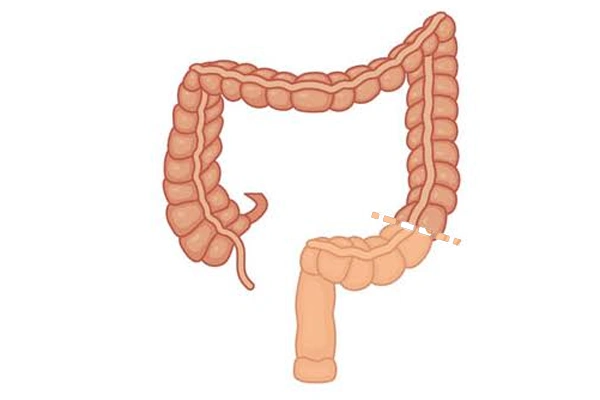
Abdominoperineal Resection (APR) is a specialized colorectal surgical procedure performed to treat cancers located very close to the anus or involving the anal sphincter muscles. When preserving the anal sphincter is not possible, APR offers the best opportunity to completely remove the disease while reducing the risk of recurrence. The surgery involves removing the rectum, anus, and surrounding tissues, followed by the creation of a permanent colostomy for bowel function.
If you are looking for Abdominoperineal Resection in Vasant Kunj, Dr. Sanjay Verma provides advanced colorectal surgical care with a focus on precision, patient safety, and long-term outcomes. Every treatment plan is tailored to the patient's diagnosis, overall health, and treatment goals.
What is Abdominoperineal Resection?
Abdominoperineal Resection is a major surgical procedure that removes:
- The lower rectum
- The anal canal
- The anal sphincter muscles
- Surrounding fatty tissue and lymph nodes when required
Because the anus is removed, the bowel cannot be reconnected. Instead, the end of the large intestine is brought through the abdominal wall to create a permanent colostomy, allowing stool to pass into a colostomy bag.
Patients seeking Abdominoperineal Resection in Vasant Kunj undergo a thorough evaluation to determine whether this procedure is the most appropriate treatment.
When is Abdominoperineal Resection Recommended?
Dr. Sanjay Verma may recommend APR for patients with:
- Low rectal cancer involving the anal sphincter
- Anal canal cancer (selected cases)
- Recurrent rectal cancer
- Locally advanced rectal cancer
- Large tumors very close to the anus
- Recurrent pelvic tumors
- Severe trauma involving the anal sphincter (selected cases)
- Rare benign conditions requiring complete rectal removal
The treatment approach is based on detailed imaging, staging, and multidisciplinary evaluation.
Symptoms That May Require Evaluation
Patients with lower rectal or anal conditions may experience:
- Rectal bleeding
- Blood in stools
- Persistent pain around the anus
- Difficulty passing stools
- Narrow stools
- Feeling of incomplete bowel emptying
- Change in bowel habits
- Unexplained weight loss
- Fatigue due to anemia
- A lump near the anus or rectum
Persistent symptoms should be evaluated promptly to allow early diagnosis and treatment.
Causes and Risk Factors
Factors that increase the risk of rectal and anal cancers include:
- Increasing age
- Family history of colorectal cancer
- Colorectal polyps
- Inflammatory bowel disease
- Smoking
- Obesity
- Sedentary lifestyle
- Low-fiber diet
- Certain inherited colorectal cancer syndromes
- Human papillomavirus (HPV) infection (for some anal cancers)
Regular screening and early diagnosis improve treatment outcomes.
Diagnosis Before Abdominoperineal Resection
Before surgery, Dr. Sanjay Verma performs a comprehensive evaluation that may include:
Colonoscopy
Examines the colon and rectum while allowing tissue biopsy.
Biopsy
Confirms the diagnosis through microscopic examination.
MRI Pelvis
Provides detailed staging of rectal cancer.
Contrast-Enhanced CT Scan
Evaluates disease spread and nearby organs.
PET-CT Scan
May be recommended for selected cancer patients.
Endorectal Ultrasound
Useful in selected early-stage rectal tumors.
Blood Tests
Assess overall health and fitness for surgery.
These investigations help determine the most appropriate treatment strategy.
Procedure of Abdominoperineal Resection
The surgery is performed under general anesthesia.
The procedure generally includes:
- Removal of the rectum and anal canal.
- Removal of the anal sphincter muscles.
- Removal of surrounding lymph nodes if cancer is present.
- Closure of the perineal wound.
- Creation of a permanent colostomy on the abdominal wall.
- Careful inspection before completing the surgery.
Depending on the patient's condition, the procedure may be performed using open, laparoscopic, or robotic-assisted techniques.
Benefits of Abdominoperineal Resection
Choosing Abdominoperineal Resection in Vasant Kunj offers several important benefits:
- Complete removal of low rectal or anal cancer
- Improved cancer control
- Reduced risk of local recurrence
- Effective treatment for advanced rectal tumors
- Relief from symptoms caused by the tumor
- Improved long-term survival in eligible patients
- Advanced minimally invasive options for selected patients
- Comprehensive postoperative care
- Better overall quality of life after recovery
Although a permanent colostomy is required, many patients successfully adapt and return to active daily lives.
Recovery After Surgery
Recovery depends on the patient's overall health and the complexity of surgery.
Patients are generally advised to:
- Begin with liquids before progressing to solid foods
- Walk regularly to promote healing
- Learn proper colostomy care with guidance from a stoma care nurse
- Stay hydrated
- Eat a balanced, nutritious diet
- Avoid heavy lifting during recovery
- Take prescribed medications
- Attend regular follow-up appointments
Most patients gradually resume their daily activities within several weeks while adapting to colostomy care.
Living with a Permanent Colostomy
Modern colostomy appliances are discreet, secure, and designed to allow patients to live active lives.
Patients are encouraged to:
- Learn proper stoma care techniques
- Follow dietary recommendations
- Stay physically active
- Travel confidently with appropriate supplies
- Attend routine follow-up visits
- Seek support from healthcare professionals when needed
With education and support, most patients adjust well and maintain an excellent quality of life.
Why Choose Dr. Sanjay Verma for Abdominoperineal Resection in Vasant Kunj?
Dr. Sanjay Verma specializes in advanced colorectal surgery and comprehensive cancer care, offering evidence-based treatment with a patient-centered approach.
Reasons patients choose Dr. Sanjay Verma include:
- Expertise in complex colorectal surgery
- Advanced laparoscopic and minimally invasive techniques
- Comprehensive cancer evaluation
- Personalized treatment planning
- Multidisciplinary approach to cancer care
- Focus on patient safety and comfort
- Dedicated postoperative and stoma care support
- Long-term follow-up and surveillance
- Compassionate and ethical medical care
Patients seeking Abdominoperineal Resection in Vasant Kunj receive expert care aimed at achieving the best possible cancer and functional outcomes.
Conclusion
Abdominoperineal Resection is an effective surgical treatment for low rectal and anal cancers when sphincter-preserving surgery is not feasible. Although the procedure involves a permanent colostomy, it offers excellent disease control and can significantly improve long-term survival and quality of life. If you are considering Abdominoperineal Resection in Vasant Kunj, Dr. Sanjay Verma provides advanced surgical expertise, personalized treatment, and comprehensive postoperative care to support your recovery every step of the way.
Frequently Asked Questions (FAQ)
1. What is Abdominoperineal Resection?
Abdominoperineal Resection (APR) is a surgery that removes the rectum, anus, and anal sphincter muscles to treat low rectal and certain anal cancers, followed by the creation of a permanent colostomy.
2. Why is Abdominoperineal Resection performed?
It is performed when tumors are located very close to or involve the anal sphincter, making sphincter-preserving surgery unsuitable.
3. Will I have a permanent colostomy after APR?
Yes. Because the anus is removed during the procedure, a permanent colostomy is required to allow bowel movements.
4. Can I live a normal life with a colostomy?
Yes. With proper stoma care, dietary guidance, and support, most patients return to work, travel, exercise, and enjoy a good quality of life.
5. Why choose Dr. Sanjay Verma for Abdominoperineal Resection in Vasant Kunj?
Dr. Sanjay Verma offers advanced colorectal surgical expertise, personalized cancer treatment plans, minimally invasive surgical options where appropriate, comprehensive stoma care guidance, and dedicated long-term follow-up to help patients achieve the best possible outcomes.