Inguinal
Inguinal
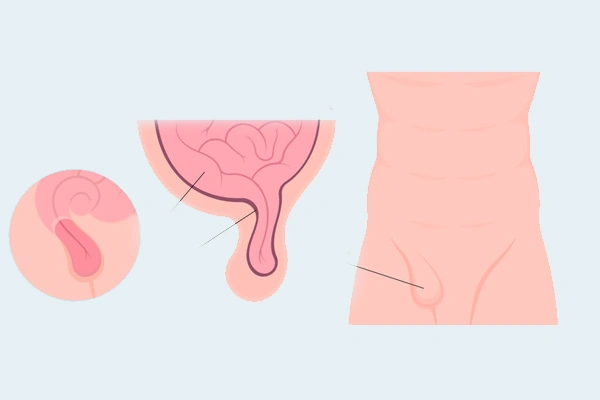
An inguinal hernia is one of the most common types of hernia, occurring when a portion of the intestine or fatty tissue pushes through a weak area in the lower abdominal wall near the groin. It may initially cause mild discomfort but can gradually enlarge and lead to severe pain or serious complications if left untreated. Surgical repair is the only permanent treatment for an inguinal hernia.
If you are looking for Inguinal Hernia Surgery in Vasant Kunj, Dr. Sanjay Verma provides advanced laparoscopic and open hernia repair using modern techniques that focus on faster recovery, minimal pain, and long-term success. Every patient receives a comprehensive evaluation and a customized treatment plan based on the type and severity of the hernia.
What is an Inguinal Hernia?
An inguinal hernia develops when tissue, usually part of the intestine or abdominal fat, protrudes through a weakened area of the abdominal muscles in the groin. It may occur on one or both sides and is more common in men, although women can also develop inguinal hernias.
An Inguinal Hernia Surgery in Vasant Kunj repairs the weakened abdominal wall and prevents further complications by reinforcing the area, often using a surgical mesh.
Who Needs Inguinal Hernia Surgery?
Surgery may be recommended for patients with:
- Visible groin swelling
- Pain while lifting heavy objects
- Enlarging hernia
- Recurrent groin discomfort
- Bilateral inguinal hernia
- Incarcerated hernia
- Strangulated hernia (emergency)
- Hernia affecting daily activities
- Recurrent hernia after previous repair
Early surgical treatment helps prevent complications and improves quality of life.
Symptoms of an Inguinal Hernia
Common symptoms include:
- A bulge in the groin
- Pain or discomfort while standing
- Groin swelling
- Burning or aching sensation
- Pain during coughing or lifting
- Feeling of heaviness in the groin
- Swelling extending into the scrotum (in men)
- Pain that improves when lying down
- Sudden severe pain in complicated cases
Emergency medical attention is required if severe pain, vomiting, or an irreducible swelling develops.
Diagnosis Before Surgery
Before recommending Inguinal Hernia Surgery in Vasant Kunj, Dr. Sanjay Verma performs a detailed evaluation that may include:
- Medical history
- Physical examination
- Ultrasound of the groin
- CT scan in complex cases
- MRI when indicated
- Routine blood investigations
- Pre-anesthesia evaluation
These investigations help determine the size and type of hernia and guide the surgical approach.
How is Inguinal Hernia Surgery Performed?
The procedure may be performed using either laparoscopic (keyhole) surgery or an open surgical technique under general, spinal, or local anesthesia.
The surgery generally includes:
- Administration of appropriate anesthesia.
- Identification of the hernia sac.
- Returning the protruding tissue to the abdominal cavity.
- Repair of the weakened abdominal wall.
- Placement of a surgical mesh in most cases to strengthen the repair.
- Closure of the incision using cosmetic sutures.
Laparoscopic surgery is often associated with smaller incisions, less pain, and quicker recovery.
Benefits of Inguinal Hernia Surgery
Choosing Inguinal Hernia Surgery in Vasant Kunj offers several benefits:
- Permanent hernia repair
- Relief from groin pain and discomfort
- Prevention of hernia enlargement
- Reduced risk of strangulation
- Faster recovery with laparoscopic surgery
- Smaller scars
- Improved mobility
- Lower recurrence rates with mesh repair
- Early return to daily activities
- Improved quality of life
Recovery After Surgery
Recovery is generally smooth with proper postoperative care.
Most patients:
- Return home on the same day or the following day
- Resume light activities within a few days
- Return to office work within one to two weeks
- Avoid heavy lifting for four to six weeks
- Experience gradual improvement in discomfort
- Attend scheduled follow-up appointments
Following the surgeon's instructions helps ensure long-term success.
Possible Risks
Although inguinal hernia surgery is considered safe, potential risks include:
- Bleeding
- Infection
- Temporary swelling
- Bruising
- Chronic groin discomfort
- Fluid collection (seroma)
- Hernia recurrence
- Rare injury to nearby structures
These risks are significantly minimized when surgery is performed by an experienced hernia surgeon.
Why Choose Dr. Sanjay Verma?
Patients seeking Inguinal Hernia Surgery in Vasant Kunj trust Dr. Sanjay Verma for his expertise in minimally invasive and general surgery.
Reasons to choose Dr. Sanjay Verma include:
- Expertise in laparoscopic and open hernia repair
- Comprehensive diagnostic evaluation
- Personalized treatment planning
- Advanced minimally invasive techniques
- High standards of patient safety
- Faster recovery protocols
- Minimal postoperative discomfort
- Comprehensive follow-up care
- Transparent communication
- Commitment to excellent long-term outcomes
Every treatment plan is tailored according to the patient's symptoms, lifestyle, and overall health.
Frequently Asked Questions (FAQs)
What is an inguinal hernia?
An inguinal hernia occurs when abdominal tissue pushes through a weak area in the groin muscles, creating a visible bulge and discomfort.
Can an inguinal hernia heal without surgery?
No. An inguinal hernia does not heal on its own. Surgery is the only permanent treatment.
Is laparoscopic hernia surgery better?
For many patients, laparoscopic surgery offers smaller incisions, less pain, and faster recovery, although the best approach depends on the individual case.
How long does recovery take?
Most patients return to normal daily activities within one to two weeks and avoid heavy lifting for several weeks.
Is mesh always used?
In most adult patients, surgical mesh is used to strengthen the abdominal wall and reduce the risk of recurrence.
Is inguinal hernia surgery safe?
Yes. It is a commonly performed procedure with excellent outcomes when carried out by an experienced surgeon.
Conclusion
An Inguinal Hernia should not be ignored, as it can enlarge over time and lead to serious complications if left untreated. Early diagnosis and timely surgical repair provide lasting relief, prevent emergencies, and allow patients to return to their normal activities with confidence.
If you are looking for Inguinal Hernia Surgery in Vasant Kunj, Dr. Sanjay Verma offers expert evaluation, advanced laparoscopic and open hernia repair, and comprehensive postoperative care to ensure safe treatment and long-term success.