Laparoscopic Rectopexy
Laparoscopic Rectopexy
Rectal prolapse is a condition in which the rectum slips down and protrudes through the anus, causing discomfort, pain, constipation, difficulty passing stools, and fecal incontinence. When conservative treatments are ineffective or the prolapse is severe, Laparoscopic Rectopexy is considered one of the most effective surgical options. This minimally invasive procedure restores the rectum to its normal position and secures it, helping improve bowel function and quality of life.
If you are looking for Laparoscopic Rectopexy in Vasant Kunj, Dr. Sanjay Verma provides advanced colorectal surgical care using modern laparoscopic techniques. His personalized treatment approach focuses on relieving symptoms, preventing recurrence, and ensuring a smooth recovery.
What is Laparoscopic Rectopexy?
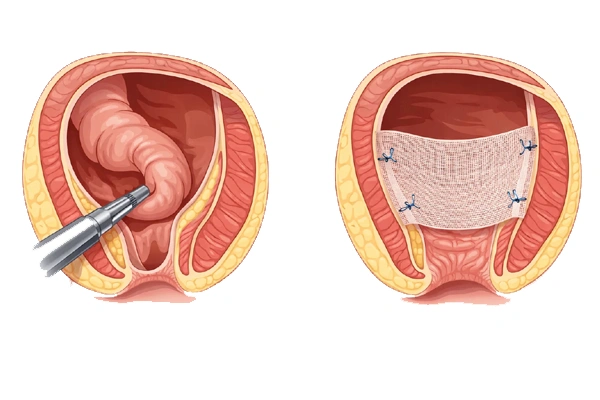
Laparoscopic Rectopexy is a minimally invasive surgical procedure used to treat complete rectal prolapse. Through small incisions in the abdomen, the rectum is carefully mobilized and repositioned into its normal anatomical location. It is then secured to the sacrum (the lower part of the spine) using sutures or surgical mesh in selected cases to prevent future prolapse.
Compared to open surgery, Laparoscopic Rectopexy in Vasant Kunj offers less postoperative pain, smaller scars, shorter hospital stays, and faster recovery.
When is Laparoscopic Rectopexy Recommended?
Dr. Sanjay Verma may recommend this procedure for patients with:
- Complete rectal prolapse
- Recurrent rectal prolapse
- Rectal prolapse causing constipation
- Rectal prolapse with fecal incontinence
- Difficulty passing stools due to prolapse
- Chronic rectal discomfort
- Bleeding caused by rectal prolapse
- Failed previous prolapse surgery
- Internal rectal prolapse (selected cases)
Each patient undergoes a thorough evaluation before surgery to determine the most appropriate treatment.
Symptoms That May Require Evaluation
Patients with rectal prolapse may experience:
- A bulge protruding from the anus
- Rectal pain or discomfort
- Difficulty passing stools
- Chronic constipation
- Fecal incontinence
- Mucus discharge
- Rectal bleeding
- Feeling of incomplete bowel emptying
- Frequent straining during bowel movements
- Pelvic pressure
Persistent symptoms should be evaluated by an experienced colorectal surgeon.
Causes and Risk Factors
Several factors may increase the risk of rectal prolapse, including:
- Chronic constipation
- Excessive straining during bowel movements
- Weak pelvic floor muscles
- Aging
- Previous pelvic surgery
- Multiple vaginal deliveries
- Neurological disorders
- Chronic cough
- Connective tissue disorders
- Long-standing pelvic floor weakness
Early diagnosis helps prevent worsening of symptoms and complications.
Diagnosis Before Laparoscopic Rectopexy
Before recommending surgery, Dr. Sanjay Verma performs a comprehensive assessment that may include:
Physical Examination
Evaluates the extent of rectal prolapse.
Colonoscopy
Rules out polyps, tumors, or other colorectal diseases.
MRI Defecography
Assesses pelvic floor function and internal prolapse.
Defecography
Evaluates bowel movement mechanics.
Anorectal Manometry
Measures rectal and anal muscle function.
Blood Tests
Assess overall health and fitness for surgery.
These investigations help determine the most suitable surgical plan.
Procedure of Laparoscopic Rectopexy
The surgery is performed under general anesthesia.
The procedure generally includes:
- Small keyhole incisions are made in the abdomen.
- A laparoscope is inserted to provide a magnified view.
- The rectum is carefully separated from surrounding tissues.
- The rectum is repositioned into its normal location.
- The rectum is secured to the sacrum using sutures or mesh when appropriate.
- The surgical site is checked before closing the incisions.
The procedure usually takes a few hours, and most patients benefit from a shorter hospital stay compared with open surgery.
Benefits of Laparoscopic Rectopexy
Choosing Laparoscopic Rectopexy in Vasant Kunj offers several important benefits:
- Effective correction of rectal prolapse
- Lower risk of recurrence
- Improved bowel function
- Better control over bowel movements
- Relief from constipation in many patients
- Improvement in fecal incontinence
- Smaller incisions
- Less postoperative pain
- Faster recovery
- Shorter hospital stay
- Better cosmetic results
- Improved quality of life
Minimally invasive surgery allows many patients to return to normal activities sooner.
Recovery After Surgery
Recovery varies depending on the patient's overall health and the severity of the prolapse.
Patients are generally advised to:
- Walk regularly after surgery
- Drink plenty of fluids
- Eat a high-fiber diet
- Avoid constipation and straining
- Take stool softeners if prescribed
- Avoid heavy lifting for several weeks
- Follow postoperative dietary recommendations
- Attend scheduled follow-up appointments
Most patients gradually resume normal activities within two to four weeks.
Lifestyle Tips After Laparoscopic Rectopexy
To reduce the risk of recurrence and support recovery:
- Eat a fiber-rich diet
- Stay well hydrated
- Exercise regularly
- Maintain a healthy body weight
- Avoid prolonged straining during bowel movements
- Treat chronic constipation promptly
- Perform pelvic floor exercises if recommended
- Attend regular follow-up visits
These measures help maintain long-term bowel and pelvic floor health.
Why Choose Dr. Sanjay Verma for Laparoscopic Rectopexy in Vasant Kunj?
Dr. Sanjay Verma specializes in advanced laparoscopic colorectal surgery and offers individualized treatment for rectal prolapse and other colorectal disorders.
Reasons patients choose Dr. Sanjay Verma include:
- Expertise in laparoscopic colorectal surgery
- Advanced minimally invasive techniques
- Comprehensive diagnostic evaluation
- Personalized treatment planning
- Focus on preserving bowel function
- Patient-centered care
- Comprehensive postoperative support
- Long-term follow-up care
- Compassionate and evidence-based treatment
Patients seeking Laparoscopic Rectopexy in Vasant Kunj receive expert surgical care designed to achieve durable symptom relief and improved quality of life.
Conclusion
Laparoscopic Rectopexy is a safe and effective minimally invasive procedure for treating rectal prolapse and restoring normal bowel function. Early diagnosis and timely surgery can relieve symptoms, reduce the risk of recurrence, and significantly improve quality of life. If you are considering Laparoscopic Rectopexy in Vasant Kunj, Dr. Sanjay Verma provides advanced laparoscopic expertise, personalized treatment, and comprehensive postoperative care to help you achieve the best possible outcomes.
Frequently Asked Questions (FAQ)
1. What is Laparoscopic Rectopexy?
Laparoscopic Rectopexy is a minimally invasive surgery that repositions and secures the rectum to treat rectal prolapse.
2. Who needs Laparoscopic Rectopexy?
It is recommended for patients with complete or recurrent rectal prolapse, especially when symptoms such as constipation, fecal incontinence, or discomfort affect daily life.
3. Is Laparoscopic Rectopexy better than open surgery?
For many patients, laparoscopic surgery offers smaller incisions, less pain, reduced blood loss, shorter hospital stays, and quicker recovery compared with open surgery.
4. How long does recovery take after Laparoscopic Rectopexy?
Most patients can gradually return to normal daily activities within two to four weeks while following their surgeon's postoperative instructions.
5. Why choose Dr. Sanjay Verma for Laparoscopic Rectopexy in Vasant Kunj?
Dr. Sanjay Verma offers advanced expertise in laparoscopic colorectal surgery, personalized treatment plans, modern minimally invasive techniques, and comprehensive postoperative care to ensure the best possible patient outcomes.