Hiatus Hernia
Hiatus Hernia
A Hiatus Hernia occurs when a portion of the stomach pushes upward through the diaphragm into the chest cavity. Many people with a small hiatus hernia may not experience symptoms, while others develop chronic acid reflux, heartburn, difficulty swallowing, chest discomfort, and regurgitation. In cases where medications and lifestyle modifications do not provide relief, surgical repair becomes the most effective treatment.
If you are looking for Hiatus Hernia Surgery in Vasant Kunj, Dr. Sanjay Verma offers comprehensive evaluation and advanced laparoscopic surgery to repair the hernia and restore the normal position of the stomach. Every treatment plan is tailored to the patient's symptoms, severity of the condition, and overall health.
What is a Hiatus Hernia?
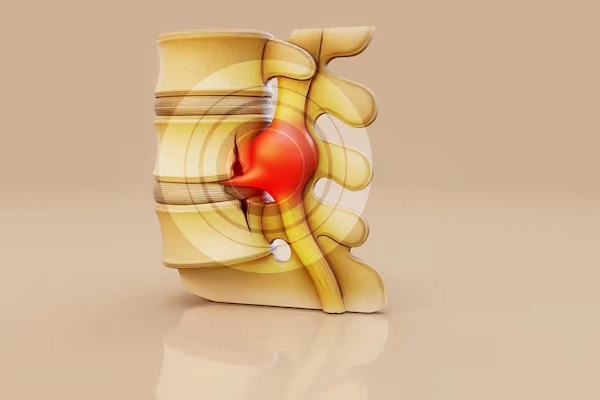
The diaphragm is a large muscle that separates the chest cavity from the abdomen. The esophagus passes through an opening in the diaphragm called the hiatus before joining the stomach. A hiatus hernia develops when part of the stomach moves upward through this opening into the chest.
There are two main types:
- Sliding Hiatus Hernia (most common)
- Paraesophageal Hiatus Hernia (less common but more serious)
A Hiatus Hernia Surgery in Vasant Kunj restores the stomach to its normal position and repairs the enlarged diaphragmatic opening to prevent future complications.
Causes and Risk Factors
Several factors can increase the risk of developing a hiatus hernia, including:
- Aging
- Obesity
- Pregnancy
- Chronic coughing
- Heavy lifting
- Chronic constipation
- Repeated straining
- Smoking
- Weakening of the diaphragm with age
- Previous abdominal surgery
Managing these factors can reduce symptom severity and improve long-term outcomes.
Symptoms of Hiatus Hernia
Common symptoms include:
- Persistent heartburn
- Acid reflux
- Chest pain
- Difficulty swallowing
- Regurgitation of food or acid
- Frequent burping
- Bloating after meals
- Sore throat due to acid reflux
- Chronic cough
- Hoarseness of voice
Large paraesophageal hernias may also cause severe chest pain, vomiting, or difficulty eating and require urgent medical attention.
Diagnosis Before Surgery
Before recommending Hiatus Hernia Surgery in Vasant Kunj, Dr. Sanjay Verma performs a detailed evaluation that may include:
- Medical history
- Physical examination
- Upper GI endoscopy
- Barium swallow (Upper GI contrast study)
- CT scan when required
- Esophageal manometry
- 24-hour pH monitoring
- Routine blood investigations
These investigations help determine the size of the hernia and assess associated gastroesophageal reflux disease (GERD).
How is Hiatus Hernia Surgery Performed?
The procedure is usually performed using minimally invasive laparoscopic techniques under general anesthesia.
The surgery generally includes:
- Administration of general anesthesia.
- Returning the stomach to its normal position.
- Repairing the enlarged diaphragmatic opening.
- Reinforcing the repair with sutures and, in selected cases, surgical mesh.
- Performing a Fundoplication when acid reflux is present to strengthen the lower esophageal sphincter.
- Closing the small laparoscopic incisions.
Laparoscopic surgery offers excellent outcomes with less postoperative pain and quicker recovery.
Benefits of Hiatus Hernia Surgery
Choosing Hiatus Hernia Surgery in Vasant Kunj offers several benefits:
- Long-term relief from acid reflux
- Significant reduction in heartburn
- Improved swallowing
- Restoration of normal stomach position
- Prevention of serious complications
- Faster recovery with laparoscopic surgery
- Smaller scars
- Reduced dependence on long-term acid suppression medications
- Better quality of life
- Durable surgical results
Recovery After Surgery
Recovery is generally smooth following laparoscopic surgery.
Most patients:
- Return home within one to two days
- Begin a liquid and soft diet initially
- Resume light activities within one week
- Return to work within two weeks
- Avoid heavy lifting for four to six weeks
- Attend scheduled follow-up visits
Following dietary instructions during the early recovery period is essential for optimal healing.
Possible Risks
Although hiatus hernia surgery is generally safe, potential risks include:
- Bleeding
- Infection
- Difficulty swallowing during early recovery
- Gas bloating
- Injury to nearby organs
- Hernia recurrence
- Temporary nausea
- Rare need for revision surgery
These risks are minimized through careful surgical planning and expert postoperative care.
Why Choose Dr. Sanjay Verma?
Patients seeking Hiatus Hernia Surgery in Vasant Kunj trust Dr. Sanjay Verma for his expertise in advanced gastrointestinal and laparoscopic surgery.
Reasons to choose Dr. Sanjay Verma include:
- Expertise in laparoscopic hiatus hernia repair
- Comprehensive diagnostic evaluation
- Personalized treatment planning
- Advanced minimally invasive surgical techniques
- Extensive experience in anti-reflux surgery
- High standards of patient safety
- Faster recovery protocols
- Comprehensive postoperative care
- Transparent communication
- Commitment to excellent long-term outcomes
Every treatment plan is customized according to the patient's symptoms, anatomy, and overall health.
Frequently Asked Questions (FAQs)
What is a hiatus hernia?
A hiatus hernia occurs when part of the stomach moves upward through the diaphragm into the chest cavity.
Can a hiatus hernia heal without surgery?
Small hernias may be managed with medications and lifestyle changes, but larger or symptomatic hernias often require surgery for permanent treatment.
Is laparoscopic surgery effective?
Yes. Laparoscopic hiatus hernia repair is considered the gold standard for many patients because it offers less pain, smaller scars, and faster recovery.
Will surgery cure acid reflux?
Many patients experience significant or complete relief from acid reflux after surgery, especially when fundoplication is performed.
How long does recovery take?
Most patients return to normal daily activities within two weeks, while complete healing continues over several weeks.
Is hiatus hernia surgery safe?
Yes. When performed by an experienced surgeon like Dr. Sanjay Verma, it is a safe and highly effective procedure.
Conclusion
A Hiatus Hernia can significantly affect quality of life by causing persistent acid reflux, heartburn, and swallowing difficulties. When conservative treatment fails, Hiatus Hernia Surgery in Vasant Kunj offers a safe and long-lasting solution that restores normal anatomy and improves digestive health.
With extensive experience in advanced laparoscopic gastrointestinal surgery, Dr. Sanjay Verma provides expert diagnosis, personalized treatment, and comprehensive postoperative care to help patients achieve lasting relief and a better quality of life.