
Ventral Hernia
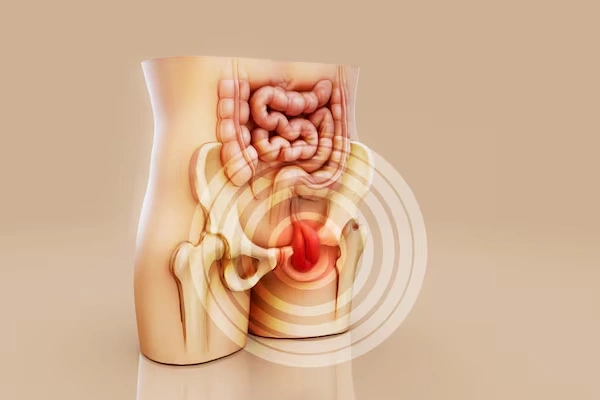
Ventral Hernia
A ventral hernia occurs when abdominal tissue or a portion of the intestine pushes through a weak area in the abdominal wall, creating a visible bulge. It may develop naturally due to weakened muscles or after a previous abdominal surgery (incisional hernia). While small hernias may initially cause few symptoms, untreated ventral hernias can enlarge over time and may lead to complications such as bowel obstruction or strangulation, requiring emergency surgery.
If you are looking for Ventral Hernia Surgery in Vasant Kunj, Dr. Sanjay Verma provides expert diagnosis and advanced surgical treatment using both laparoscopic (minimally invasive) and open hernia repair techniques. Every treatment plan is personalized to ensure safe surgery, durable repair, and faster recovery.
What is a Ventral Hernia?
A ventral hernia is a defect or weakness in the abdominal wall that allows fat, tissue, or part of the intestine to protrude through the muscles. These hernias can occur in different areas of the abdomen and vary in size.
Common types of ventral hernias include:
- Incisional hernia
- Umbilical hernia
- Epigastric hernia
- Spigelian hernia
- Primary ventral hernia
Patients seeking Ventral Hernia Surgery in Vasant Kunj undergo a detailed evaluation to determine the most suitable surgical approach.
When is Ventral Hernia Surgery Recommended?
Dr. Sanjay Verma may recommend surgery if you have:
- A visible abdominal bulge
- Pain or discomfort while standing or lifting
- An enlarging hernia
- Recurrent hernia
- Incisional hernia after previous surgery
- Difficulty performing daily activities
- Hernia causing bowel obstruction
- Incarcerated hernia
- Strangulated hernia (emergency condition)
Timely surgery helps prevent serious complications and improves quality of life.
Symptoms of a Ventral Hernia
Common symptoms include:
- Visible swelling or bulge on the abdomen
- Pain while lifting heavy objects
- Discomfort during coughing or sneezing
- Pressure or heaviness in the abdomen
- Pain after prolonged standing
- Bulge that becomes more noticeable when straining
- Nausea or vomiting in complicated cases
- Redness or tenderness over the hernia
- Difficulty reducing the bulge back into the abdomen
Emergency medical attention is required if severe pain, vomiting, or an irreducible bulge develops.
Causes and Risk Factors
Several factors can weaken the abdominal wall and increase the risk of ventral hernias, including:
- Previous abdominal surgery
- Obesity
- Pregnancy
- Heavy lifting
- Chronic cough
- Chronic constipation
- Aging
- Smoking
- Poor wound healing
- Connective tissue disorders
Maintaining a healthy weight and avoiding excessive strain can help reduce the risk.
Diagnosis Before Ventral Hernia Surgery
Dr. Sanjay Verma performs a comprehensive assessment before recommending surgery.
Investigations may include:
Physical Examination
Evaluates the size and location of the hernia.
Ultrasound
Helps confirm smaller hernias.
CT Scan
Provides detailed images of large or complex ventral hernias.
MRI
May be recommended in selected cases.
Blood Tests
Assess overall health and fitness for surgery.
These investigations help determine the most effective treatment plan.
Procedure of Ventral Hernia Surgery
The surgery is performed under general or regional anesthesia, depending on the type and size of the hernia.
The procedure generally includes:
- The hernia sac is identified.
- The protruding tissue is carefully returned to the abdominal cavity.
- The weakened abdominal wall is repaired.
- A surgical mesh is often placed to strengthen the repair and reduce recurrence.
- The incision is closed carefully.
Depending on the patient's condition, the procedure may be performed using:
- Laparoscopic Ventral Hernia Repair
- Open Ventral Hernia Repair
The choice of technique depends on the size, location, and complexity of the hernia.
Benefits of Ventral Hernia Surgery
Choosing Ventral Hernia Surgery in Vasant Kunj offers several benefits:
- Permanent repair of the hernia
- Relief from pain and discomfort
- Prevention of bowel obstruction
- Reduced risk of strangulation
- Improved abdominal wall strength
- Better quality of life
- Smaller incisions with laparoscopic surgery
- Less postoperative pain
- Faster recovery
- Lower risk of recurrence with mesh repair
Early surgical treatment helps prevent complications and supports long-term recovery.
Recovery After Surgery
Recovery depends on the size of the hernia and the surgical technique used.
Patients are generally advised to:
- Walk regularly after surgery
- Avoid heavy lifting for several weeks
- Wear an abdominal binder if recommended
- Keep the surgical wound clean and dry
- Eat a balanced, fiber-rich diet
- Stay hydrated
- Prevent constipation
- Attend follow-up appointments
Most patients return to normal daily activities within two to four weeks after laparoscopic surgery, while recovery after open surgery may take longer.
Lifestyle Tips to Prevent Hernia Recurrence
After recovery, patients should:
- Maintain a healthy body weight
- Avoid lifting heavy objects improperly
- Treat chronic cough promptly
- Prevent constipation
- Stop smoking
- Strengthen abdominal muscles after medical clearance
- Follow postoperative instructions carefully
- Attend routine follow-up visits
These measures help reduce the likelihood of hernia recurrence.
Why Choose Dr. Sanjay Verma for Ventral Hernia Surgery in Vasant Kunj?
Dr. Sanjay Verma specializes in advanced hernia and gastrointestinal surgery, offering modern surgical techniques with personalized patient care.
Reasons patients choose Dr. Sanjay Verma include:
- Expertise in laparoscopic and open hernia repair
- Comprehensive diagnostic evaluation
- Personalized treatment plans
- Advanced mesh repair techniques
- Focus on minimally invasive surgery whenever appropriate
- Patient-centered care
- Comprehensive postoperative support
- Long-term follow-up care
- Compassionate and evidence-based treatment
Patients seeking Ventral Hernia Surgery in Vasant Kunj receive expert care focused on durable repair, faster recovery, and excellent long-term outcomes.
Conclusion
A ventral hernia should not be ignored, as it can enlarge over time and lead to serious complications. Early diagnosis and timely surgical repair provide lasting relief, restore abdominal wall strength, and improve quality of life. If you are considering Ventral Hernia Surgery in Vasant Kunj, Dr. Sanjay Verma offers advanced laparoscopic and open hernia repair techniques, personalized treatment plans, and comprehensive postoperative care to help you recover safely and confidently.
Frequently Asked Questions (FAQ)
1. What is a ventral hernia?
A ventral hernia is a bulge that occurs when tissue or part of the intestine pushes through a weak area in the abdominal wall.
2. Does every ventral hernia require surgery?
Not every hernia requires immediate surgery, but symptomatic, enlarging, or complicated ventral hernias are usually best treated with surgical repair.
3. Is laparoscopic ventral hernia surgery available?
Yes. Many patients are suitable candidates for laparoscopic ventral hernia repair, which typically offers smaller incisions, less pain, and faster recovery.
4. How long does recovery take after ventral hernia surgery?
Most patients recover within two to four weeks after laparoscopic surgery, while recovery after open surgery may take four to six weeks or longer depending on the complexity of the repair.
5. Why choose Dr. Sanjay Verma for Ventral Hernia Surgery in Vasant Kunj?
Dr. Sanjay Verma offers advanced expertise in laparoscopic and open hernia surgery, personalized treatment plans, modern mesh repair techniques, and comprehensive postoperative care to achieve the best possible outcomes.