drsanjayverma2004@gmail.com
Phone : +919818401742
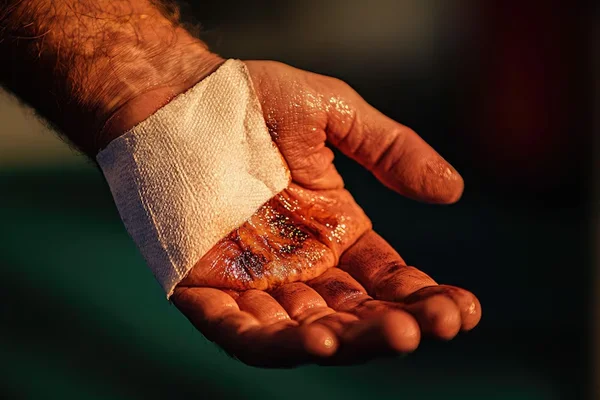
Gallbladder problems such as gallstones, inflammation, and infections can cause severe abdominal pain and interfere with daily life. If left untreated, they may lead to complications including bile duct obstruction, pancreatitis, or gallbladder infection. Laparoscopic Gallbladder Surgery in Vasant Kunj is a safe and minimally invasive procedure used to remove the diseased gallbladder through small incisions. Dr. Sanjay Verma specializes in advanced laparoscopic and gastrointestinal surgery, providing personalized treatment plans and comprehensive care for patients suffering from gallbladder diseases.
Laparoscopic Gallbladder Surgery, also known as Laparoscopic Cholecystectomy, has become the gold standard for gallbladder removal because it offers less pain, faster recovery, smaller scars, and a quicker return to normal life compared to traditional open surgery.
What Is Laparoscopic Gallbladder Surgery?
Laparoscopic Gallbladder Surgery is a minimally invasive surgical procedure performed to remove the gallbladder using a laparoscope (a thin camera) and specialized surgical instruments inserted through small abdominal incisions.
The gallbladder stores bile produced by the liver to aid digestion. When gallstones or other gallbladder diseases cause recurring symptoms or complications, surgical removal of the gallbladder is often the most effective treatment.
Since the body can function normally without a gallbladder, most patients experience complete relief from symptoms after surgery.
Who May Need Laparoscopic Gallbladder Surgery?
Dr. Sanjay Verma may recommend laparoscopic gallbladder surgery for patients with:
- Gallstones (Cholelithiasis)
- Symptomatic gallstones
- Acute cholecystitis (Gallbladder infection)
- Chronic cholecystitis
- Gallbladder polyps
- Gallbladder sludge
- Recurrent biliary colic
- Gallstone pancreatitis
- Common bile duct stones (after appropriate management)
- Dysfunctional gallbladder causing persistent symptoms
Each patient undergoes a detailed evaluation to determine the most appropriate treatment.
Symptoms of Gallbladder Disease
Gallbladder disease may present with:
- Severe pain in the upper right abdomen
- Pain after eating fatty foods
- Nausea and vomiting
- Indigestion
- Bloating
- Fever
- Jaundice
- Pain radiating to the back or right shoulder
- Loss of appetite
- Recurrent episodes of abdominal discomfort
Persistent symptoms should never be ignored, as they may indicate serious gallbladder complications.
Causes and Risk Factors
Several factors increase the risk of gallbladder disease, including:
- Gallstones
- Obesity
- High-fat diet
- Female gender
- Increasing age
- Diabetes
- Pregnancy
- Rapid weight loss
- Family history of gallstones
- High cholesterol levels
Early diagnosis and timely treatment help prevent complications.
Benefits of Laparoscopic Gallbladder Surgery
Laparoscopic Gallbladder Surgery offers numerous advantages over open surgery, including:
- Minimally invasive procedure
- Small incisions with minimal scarring
- Less postoperative pain
- Reduced blood loss
- Lower risk of infection
- Faster recovery
- Shorter hospital stay
- Early return to work
- Better cosmetic results
- Excellent long-term outcomes
How Is Laparoscopic Gallbladder Surgery Performed?
The procedure is performed under general anesthesia.
Step 1: Comprehensive Evaluation
Before surgery, patients undergo:
- Medical history and physical examination
- Blood investigations
- Liver function tests
- Abdominal Ultrasound
- MRI or MRCP if required
- ECG and chest evaluation
- Cardiac and anesthesia fitness assessment
Step 2: Laparoscopic Access
Four small incisions are made in the abdomen. A laparoscope with a high-definition camera is inserted to provide a magnified view of the gallbladder and surrounding structures.
Step 3: Gallbladder Removal
The surgeon carefully separates the gallbladder from the liver, clips and divides the cystic duct and artery, and removes the gallbladder through one of the small incisions.
If necessary, the bile ducts are inspected to ensure there are no remaining stones.
Step 4: Completion of Surgery
The surgical area is examined for bleeding or bile leakage before closing the small incisions.
Step 5: Recovery
Patients are monitored after surgery, receive pain management, and are encouraged to walk early to promote faster recovery.
Recovery After Laparoscopic Gallbladder Surgery
Recovery is generally smooth and significantly faster than open surgery.
Recovery usually includes:
- Day-care procedure or 1-day hospital stay
- Walking within a few hours after surgery
- Mild pain controlled with medications
- Gradual return to a normal diet
- Follow-up appointments
- Wound care instructions
Most patients return to light daily activities within 5–7 days and resume normal work within 1–2 weeks, while complete recovery usually takes 3–4 weeks.
Lifestyle and Diet After Gallbladder Surgery
After surgery, patients are advised to:
- Eat small, frequent meals initially
- Follow a balanced, low-fat diet during early recovery
- Stay well hydrated
- Gradually resume normal eating habits
- Maintain a healthy body weight
- Exercise regularly
- Avoid smoking and excessive alcohol
- Attend scheduled follow-up appointments
Most patients can return to a completely normal diet after recovery.
Why Choose Dr. Sanjay Verma for Laparoscopic Gallbladder Surgery in Vasant Kunj?
Dr. Sanjay Verma is experienced in advanced laparoscopic gastrointestinal and hepatobiliary surgery, providing safe and effective treatment for gallbladder diseases. Every patient receives individualized care using modern minimally invasive techniques to ensure the best possible outcomes.
Why choose Dr. Sanjay Verma?
- Expertise in advanced laparoscopic surgery
- Extensive experience in gallbladder surgery
- Comprehensive diagnostic evaluation
- Personalized treatment plans
- Modern minimally invasive surgical techniques
- Advanced operation theatre facilities
- Faster recovery protocols
- Compassionate, patient-centered care
Frequently Asked Questions (FAQs)
1. What is Laparoscopic Gallbladder Surgery?
Laparoscopic Gallbladder Surgery, also known as laparoscopic cholecystectomy, is a minimally invasive procedure used to remove the gallbladder through small abdominal incisions.
2. Why is gallbladder removal necessary?
Gallbladder removal is recommended for symptomatic gallstones, gallbladder inflammation, recurrent infections, gallbladder polyps, and other conditions that cause persistent symptoms or complications.
3. Is laparoscopic gallbladder surgery safe?
Yes. It is considered the gold standard treatment for gallbladder disease and is generally very safe when performed by an experienced laparoscopic surgeon.
4. How long does the surgery take?
The procedure usually takes 45–90 minutes, depending on the complexity of the case.
5. How long will I stay in the hospital?
Most patients are discharged on the same day or within 24 hours after surgery.
6. Can I live normally without a gallbladder?
Yes. The liver continues to produce bile, and most people lead completely normal lives after gallbladder removal.
7. When can I return to work?
Most patients return to office work within 1–2 weeks, while strenuous physical activities may require 3–4 weeks.
8. Will I need a special diet after surgery?
Initially, a light, low-fat diet is recommended. Most patients gradually return to a regular diet within a few weeks.
9. Are there any risks associated with the surgery?
As with any surgical procedure, there are potential risks such as bleeding, infection, bile leakage, or injury to nearby structures. These complications are uncommon, especially when the procedure is performed by an experienced surgeon.
10. How can I book a consultation?
You can schedule an appointment with Dr. Sanjay Verma in Vasant Kunj for a comprehensive evaluation and personalized treatment plan for gallbladder disease.
Dr. Sanjay Verma.All Rights Reserved © 2026