drsanjayverma2004@gmail.com
Phone : +919818401742
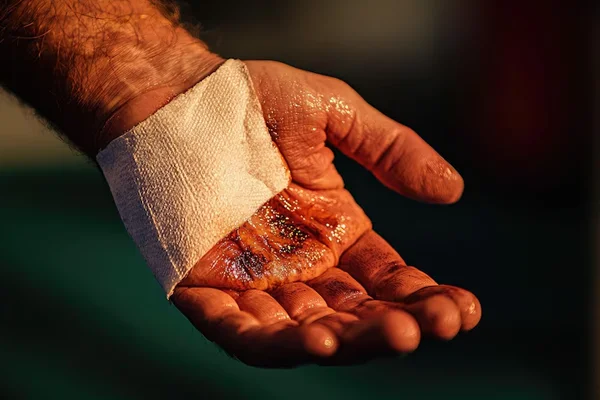
Anal fistula is a painful condition that affects the area around the anus and can cause discomfort, swelling, discharge, and repeated infections. Traditional surgical methods may involve larger wounds and longer recovery periods. With advancements in medical technology, Video Assisted Anal Fistula Treatment has emerged as a modern, minimally invasive approach designed to treat fistulas effectively while preserving surrounding tissues.
Dr. Sanjay Verma in Vasant Kunj provides advanced evaluation and treatment options for patients suffering from anal fistula. This technique uses a small camera and specialized instruments to identify and treat the fistula tract accurately, helping reduce pain, minimize tissue damage, and support quicker recovery.
What Is Video Assisted Anal Fistula Treatment?
Video Assisted Anal Fistula Treatment (VAAFT) is an advanced minimally invasive procedure used for managing anal fistulas. It involves inserting a small fistuloscope (a tiny camera) into the fistula tract to clearly visualize the internal pathway of the fistula.
The procedure allows the surgeon to locate the entire fistula tract, remove infected tissue, and close the internal opening with greater precision. Compared to conventional fistula surgeries, this technique focuses on reducing damage to the anal sphincter muscles, which are important for maintaining bowel control.
Dr. Sanjay Verma offers personalized treatment plans based on the type, location, and complexity of the fistula to achieve effective results with improved patient comfort.
Symptoms and Causes of Anal Fistula
An anal fistula usually develops due to an infection or abscess near the anal glands. When an abscess does not heal completely, it can form an abnormal tunnel between the anal canal and surrounding skin, known as a fistula.
Common Symptoms of Anal Fistula Include:
- Persistent discharge or pus near the anus
- Pain and swelling around the anal area
- Skin irritation and itching
- Recurrent anal abscesses
- Bleeding or discomfort during bowel movements
- Foul-smelling discharge
- Fever or inflammation in some cases
Common Causes and Risk Factors:
- Previous anal abscess infection
- Inflammatory bowel diseases such as Crohn’s disease
- Trauma or injury around the anal region
- Certain infections affecting anal glands
- Complications after previous surgery
Early diagnosis and timely treatment can help prevent complications and improve quality of life.
Benefits of Video Assisted Anal Fistula Treatment
Video Assisted Anal Fistula Treatment offers several advantages over traditional fistula procedures. It is designed to provide accurate treatment while preserving healthy tissues.
Key Benefits Include:
1. Minimally Invasive Procedure
The treatment uses small instruments and a camera, resulting in minimal cuts and reduced tissue damage.
2. Better Visualization of Fistula Tract
The video-assisted technique helps surgeons clearly identify the complete fistula pathway for precise treatment.
3. Reduced Postoperative Pain
Smaller surgical openings generally result in less discomfort after the procedure.
4. Faster Recovery
Patients can often return to normal activities sooner compared to traditional surgical approaches.
5. Sphincter Preservation
The procedure focuses on protecting anal muscles, reducing the risk of bowel control problems.
6. Improved Cosmetic Results
Smaller wounds may lead to better healing and minimal scarring.
Procedure of Video Assisted Anal Fistula Treatment
Before undergoing treatment, the patient is evaluated through clinical examination and imaging tests if required. The treatment approach depends on the complexity and location of the fistula.
Steps Involved in VAAFT Procedure:
1. Patient Evaluation
The doctor assesses symptoms, medical history, and fistula characteristics.
2. Fistula Mapping
A small video fistuloscope is inserted to identify the complete fistula tract and internal opening.
3. Cleaning of Fistula Tract
The infected tissue and debris inside the tract are removed using specialized instruments.
4. Closure of Internal Opening
The internal opening is treated and closed to prevent recurrence.
5. Recovery Monitoring
After the procedure, patients receive instructions for wound care, diet, and follow-up visits.
The duration of the procedure may vary depending on the complexity of the fistula.
Recovery and Aftercare After Video Assisted Anal Fistula Treatment
Recovery after Video Assisted Anal Fistula Treatment is generally quicker compared to many conventional surgical methods. Proper aftercare plays an important role in successful healing.
Recovery Tips Include:
- Maintain proper hygiene around the anal area
- Follow prescribed medications and wound care instructions
- Eat a high-fiber diet to prevent constipation
- Drink adequate fluids
- Avoid excessive straining during bowel movements
- Attend regular follow-up appointments
Most patients experience gradual improvement in pain and discomfort after treatment. Recovery time depends on individual health conditions and fistula complexity.
Why Choose Dr. Sanjay Verma for Video Assisted Anal Fistula Treatment in Vasant Kunj?
Dr. Sanjay Verma provides advanced surgical care with a focus on accurate diagnosis, minimally invasive techniques, and patient-centered treatment. With expertise in managing anorectal conditions, he helps patients receive appropriate treatment based on their specific needs.
Reasons to Choose Dr. Sanjay Verma:
- Advanced minimally invasive fistula treatment
- Personalized treatment planning
- Focus on patient comfort and safety
- Modern surgical techniques
- Comprehensive postoperative guidance
- Experienced surgical care in Vasant Kunj
Choosing an experienced specialist can help improve treatment outcomes and reduce the chances of complications.
Frequently Asked Questions (FAQs)
1. What is Video Assisted Anal Fistula Treatment?
Video Assisted Anal Fistula Treatment is a minimally invasive procedure that uses a small camera to identify and treat the fistula tract accurately.
2. Is VAAFT better than traditional fistula surgery?
VAAFT offers advantages such as better visualization, smaller wounds, reduced pain, and improved preservation of anal muscles in suitable patients.
3. How long does Video Assisted Anal Fistula Treatment take?
The procedure duration depends on the complexity of the fistula but is generally completed within a short surgical time.
4. Is Video Assisted Anal Fistula Treatment painful?
Since it is minimally invasive, patients usually experience less postoperative pain compared to conventional surgery.
5. How soon can I return to normal activities after VAAFT?
Recovery varies from patient to patient, but many individuals can resume routine activities sooner after minimally invasive treatment.
6. Can anal fistula come back after treatment?
There is a possibility of recurrence depending on fistula complexity and healing. Proper diagnosis and follow-up reduce this risk.
7. Who is the right candidate for VAAFT?
Patients with suitable types of anal fistula may benefit from this procedure after evaluation by a specialist.
8. Where can I get Video Assisted Anal Fistula Treatment in Vasant Kunj?
Patients looking for advanced fistula treatment in Vasant Kunj can consult Dr. Sanjay Verma for diagnosis and appropriate treatment options.
Dr. Sanjay Verma.All Rights Reserved © 2026