drsanjayverma2004@gmail.com
Phone : +919818401742
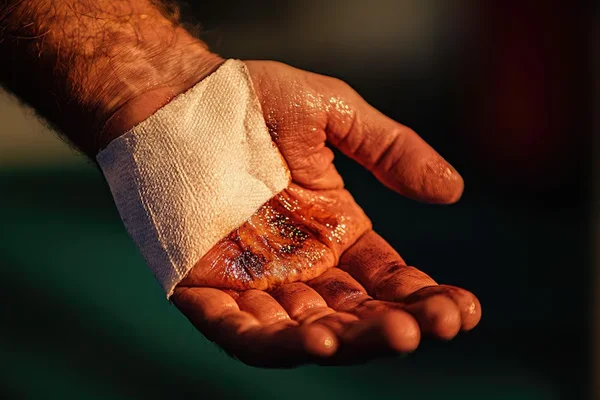
The oesophagus is an important part of the digestive system that carries food from the throat to the stomach. Certain serious conditions such as oesophageal cancer, advanced tumours, or severe damage to the oesophagus may require surgical removal of the affected portion. Oesophagectomy in Vasant Kunj is an advanced surgical procedure performed to remove part or all of the oesophagus and restore digestive function.
Dr. Sanjay Verma provides expert evaluation and advanced surgical management for patients requiring oesophageal surgery. With modern techniques, careful planning, and personalised treatment approaches, patients can achieve better outcomes and improved quality of life.
What Is Oesophagectomy?
Oesophagectomy is a major surgical procedure in which a part or the entire oesophagus is removed due to disease or damage. After removing the affected section, the surgeon reconnects the remaining oesophagus with the stomach or another part of the digestive tract to allow food passage.
This procedure is commonly performed for:
- Oesophageal cancer
- Gastroesophageal junction cancers
- Large or complicated oesophageal tumours
- Severe oesophageal damage
- Precancerous conditions in selected cases
- Certain non-cancerous conditions affecting oesophageal function
Depending on the patient’s condition, the surgery may involve removing only a small portion of the oesophagus or a larger section along with nearby lymph nodes.
Who Needs Oesophagectomy?
An oesophagectomy may be recommended for patients diagnosed with conditions affecting the structure or function of the oesophagus. The decision for surgery depends on factors such as disease stage, overall health, tumour location, and treatment goals.
Patients who may require Oesophagectomy in Vasant Kunj include those with:
- Early or advanced oesophageal cancer
- Tumours located in the middle or lower oesophagus
- Cancer near the junction of the oesophagus and stomach
- Severe narrowing or blockage of the oesophagus
- Conditions where other treatments are not effective
Before surgery, patients undergo detailed evaluation including imaging tests, endoscopy, biopsy reports, and overall health assessment to determine the most suitable treatment approach.
Types of Oesophagectomy
Different surgical techniques may be used depending on the location and extent of the disease.
1. Open Oesophagectomy
This traditional approach involves larger incisions to access and remove the affected oesophagus. It may be recommended for complex cases requiring extensive surgical intervention.
2. Minimally Invasive Oesophagectomy
This advanced technique uses smaller incisions with specialised instruments and cameras. It may help reduce blood loss, pain, and recovery time compared to conventional surgery in suitable patients.
3. Robotic-Assisted Oesophagectomy
Robotic technology provides enhanced precision and better visualisation during surgery. It allows surgeons to perform delicate procedures with improved control and accuracy.
Procedure of Oesophagectomy
Before undergoing Oesophagectomy in Vasant Kunj, patients receive complete guidance about the surgical process, preparation, and expected recovery.
The procedure generally involves:
Pre-Surgical Assessment
The patient undergoes medical evaluation, imaging tests, blood investigations, and other required assessments. Nutritional support may also be provided before surgery.
Surgical Removal
During the operation, the surgeon removes the diseased portion of the oesophagus along with nearby lymph nodes if required. The stomach or another digestive organ is then used to create a new pathway for food.
Reconstruction
After removing the affected area, the remaining digestive tract is carefully connected to allow swallowing and digestion.
Post-Surgical Monitoring
Patients are monitored closely after surgery to manage pain, nutrition, and recovery progress.
Benefits of Oesophagectomy
Oesophagectomy can provide significant benefits for suitable patients, including:
- Removal of cancerous or damaged oesophageal tissue
- Improved chances of long-term disease control
- Restoration of food passage
- Relief from swallowing difficulties
- Better quality of life after recovery
- Improved management of complex oesophageal conditions
The outcome of surgery depends on several factors, including disease stage, patient health, and timely treatment.
Recovery After Oesophagectomy
Recovery after oesophagectomy requires proper care, patience, and regular follow-up. Hospital stay duration varies depending on the surgical approach and patient recovery.
During recovery, patients may need:
- Dietary guidance from specialists
- Gradual introduction of solid foods
- Regular follow-up appointments
- Breathing exercises and physical activity as advised
- Monitoring for possible complications
A balanced diet and lifestyle modifications play an important role in helping patients regain strength after surgery.
Why Choose Dr. Sanjay Verma for Oesophagectomy in Vasant Kunj?
Dr. Sanjay Verma offers advanced surgical care with a focus on accurate diagnosis, personalised treatment planning, and patient safety. With expertise in complex gastrointestinal procedures, patients receive comprehensive care throughout their surgical journey.
Reasons to choose Dr. Sanjay Verma include:
- Advanced surgical expertise
- Personalised treatment approach
- Modern surgical techniques
- Comprehensive pre and post-operative care
- Focus on patient safety and recovery
- Experienced management of complex digestive disorders
Frequently Asked Questions (FAQs)
1. What is the purpose of oesophagectomy?
Oesophagectomy is performed to remove diseased or cancerous parts of the oesophagus and restore the pathway for food movement.
2. How long does oesophagectomy surgery take?
The duration of surgery depends on the type of procedure, disease complexity, and patient condition. It may take several hours.
3. Is oesophagectomy a major surgery?
Yes, oesophagectomy is a complex gastrointestinal surgery that requires specialised surgical expertise and careful post-operative care.
4. How long does recovery take after oesophagectomy?
Recovery varies from patient to patient. Most patients require several weeks to months for complete recovery and adjustment to dietary changes.
5. What can I eat after oesophagectomy?
Patients usually begin with liquid and soft foods before gradually returning to a regular diet under medical guidance.
6. Where can I get expert Oesophagectomy in Vasant Kunj?
Patients seeking advanced Oesophagectomy in Vasant Kunj can consult Dr. Sanjay Verma for expert evaluation, treatment planning, and surgical care.
Dr. Sanjay Verma.All Rights Reserved © 2026