drsanjayverma2004@gmail.com
Phone : +919818401742
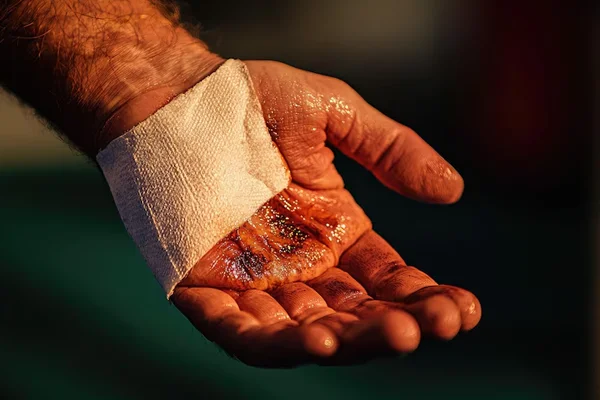
Achalasia Cardia is a rare disorder of the oesophagus that affects the movement of food from the throat to the stomach. It occurs when the lower oesophageal sphincter fails to relax properly, making it difficult for food and liquids to pass into the stomach. This condition can lead to difficulty swallowing, regurgitation, chest discomfort, and weight loss.
Laparoscopy For Achalasia Cardia in Vasant Kunj is an advanced minimally invasive surgical procedure that helps improve swallowing by relaxing the tight oesophageal muscle. Dr. Sanjay Verma provides expert evaluation and surgical management for patients suffering from achalasia with modern laparoscopic techniques focused on safety, precision, and better recovery.
What Is Laparoscopy For Achalasia Cardia?
Laparoscopy For Achalasia Cardia is a minimally invasive procedure performed to treat achalasia by cutting the tightened muscles of the lower oesophageal sphincter. This procedure is commonly known as Laparoscopic Heller Myotomy.
During surgery, small incisions are made in the abdomen through which specialised instruments and a camera are inserted. The surgeon carefully divides the abnormal muscle fibres at the lower end of the oesophagus, allowing food to pass more easily into the stomach.
In many cases, a partial fundoplication procedure is also performed to reduce the risk of acid reflux after surgery.
What Is Achalasia Cardia?
Achalasia Cardia is a condition in which the oesophagus loses its normal ability to push food downward due to problems with nerve function and muscle relaxation.
Normally, the lower oesophageal sphincter opens when swallowing to allow food to enter the stomach. In achalasia, this valve remains tight, causing food to collect in the oesophagus.
Common causes and contributing factors may include:
- Damage to oesophageal nerves
- Reduced muscle coordination
- Autoimmune factors
- Unknown causes in many cases
Early diagnosis and appropriate treatment can help prevent complications and improve quality of life.
Symptoms of Achalasia Cardia
Patients with achalasia may experience various symptoms, including:
- Difficulty swallowing food and liquids
- Feeling that food is stuck in the chest
- Regurgitation of undigested food
- Chest pain or discomfort
- Unexplained weight loss
- Night-time coughing or choking
- Heartburn-like symptoms
- Difficulty eating solid foods
If these symptoms persist, consultation with a specialist is important for proper diagnosis and treatment.
Who Needs Laparoscopy For Achalasia Cardia?
Laparoscopy For Achalasia Cardia in Vasant Kunj may be recommended for patients who:
- Have confirmed achalasia diagnosis
- Experience persistent swallowing difficulty
- Do not get adequate relief from medicines or endoscopic treatments
- Have reduced quality of life due to symptoms
- Need long-term improvement in oesophageal function
Before surgery, doctors may recommend tests such as:
- Upper gastrointestinal endoscopy
- Oesophageal manometry
- Barium swallow test
- Imaging studies
These investigations help determine the severity and stage of the condition.
Procedure of Laparoscopy For Achalasia Cardia
The laparoscopic treatment of achalasia generally involves the following steps:
1. Anaesthesia
The surgery is performed under general anaesthesia to ensure patient comfort.
2. Small Abdominal Incisions
The surgeon creates small openings in the abdomen to insert a laparoscope and surgical instruments.
3. Oesophageal Muscle Cutting (Myotomy)
The surgeon carefully cuts the tight muscles of the lower oesophagus and upper stomach area. This allows the passage between the oesophagus and stomach to open more easily.
4. Fundoplication
A partial wrap of the stomach around the oesophagus may be performed to prevent acid reflux after muscle relaxation.
5. Completion and Recovery
After completing the procedure, instruments are removed, incisions are closed, and the patient is monitored during recovery.
Benefits of Laparoscopy For Achalasia Cardia
Laparoscopic surgery offers several advantages for suitable patients, including:
- Improved swallowing ability
- Long-term relief from achalasia symptoms
- Minimally invasive approach
- Smaller surgical scars
- Reduced post-operative pain
- Faster recovery compared to open surgery
- Shorter hospital stay
- Improved quality of life
The success of treatment depends on proper diagnosis, surgical expertise, and appropriate post-operative care.
Recovery After Laparoscopic Achalasia Surgery
Recovery after Laparoscopy For Achalasia Cardia is usually faster due to the minimally invasive approach. Patients are gradually introduced to liquids and soft foods after surgery as advised by the medical team.
Recovery guidelines may include:
- Following a liquid or soft diet initially
- Avoiding heavy physical activities for a few weeks
- Taking prescribed medications
- Attending regular follow-up appointments
- Maintaining healthy eating habits
Most patients experience significant improvement in swallowing after recovery.
Why Choose Dr. Sanjay Verma for Laparoscopy For Achalasia Cardia in Vasant Kunj?
Dr. Sanjay Verma provides advanced laparoscopic gastrointestinal surgery with a focus on accurate diagnosis, personalised treatment plans, and patient safety. His expertise helps patients receive comprehensive care for complex oesophageal disorders.
Reasons to choose Dr. Sanjay Verma include:
- Expertise in advanced laparoscopic procedures
- Comprehensive evaluation of oesophageal disorders
- Modern surgical techniques
- Patient-focused treatment approach
- Safe and precise surgical care
- Complete pre-operative and post-operative guidance
Frequently Asked Questions (FAQs)
1. What is Laparoscopy For Achalasia Cardia?
Laparoscopy For Achalasia Cardia is a minimally invasive surgery that relaxes the tight oesophageal muscles to improve food passage into the stomach.
2. Is laparoscopic Heller myotomy a permanent treatment?
Laparoscopic Heller Myotomy provides long-term symptom relief for many patients, although regular follow-up may be required.
3. How long does achalasia laparoscopy surgery take?
The surgery duration depends on the patient’s condition and complexity of the procedure. It generally takes a few hours.
4. What is the recovery time after achalasia surgery?
Most patients gradually return to normal activities within a few weeks after surgery, depending on individual recovery.
5. Can achalasia happen again after surgery?
Symptoms may recur in some cases, but proper surgical technique and follow-up care help improve long-term outcomes.
6. Where can I get Laparoscopy For Achalasia Cardia in Vasant Kunj?
Patients looking for Laparoscopy For Achalasia Cardia in Vasant Kunj can consult Dr. Sanjay Verma for expert diagnosis and advanced minimally invasive treatment.
Dr. Sanjay Verma.All Rights Reserved © 2026