drsanjayverma2004@gmail.com
Phone : +919818401742
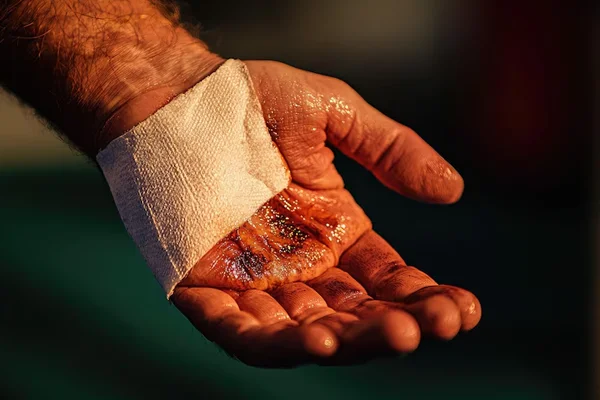
The gallbladder is a small organ located beneath the liver that stores and releases bile to help digest fats. In some cases, abnormal growths or gallbladder cancer may develop, requiring specialised surgical treatment. Early and accurate management is important to prevent the spread of disease and improve treatment outcomes.
Laparoscopic Radical Cholecystectomy in Vasant Kunj is an advanced minimally invasive surgical procedure performed to treat selected cases of gallbladder cancer and complex gallbladder tumours. This procedure involves removal of the gallbladder along with surrounding liver tissue and nearby lymph nodes when required.
Dr. Sanjay Verma provides expert evaluation and advanced laparoscopic surgical care for patients requiring complex gallbladder procedures with a focus on precision, safety, and personalised treatment.
What Is Laparoscopic Radical Cholecystectomy?
Laparoscopic Radical Cholecystectomy is an advanced surgical procedure used mainly for the treatment of gallbladder cancer. Unlike a simple gallbladder removal surgery, this procedure involves removing additional surrounding tissues to ensure complete removal of cancerous cells.
The surgery may include removal of:
- Gallbladder
- A small portion of liver tissue attached to the gallbladder
- Nearby lymph nodes
- Surrounding tissues affected by cancer
The laparoscopic approach uses small abdominal incisions and a camera-assisted technique to perform the surgery with improved visualisation and reduced surgical trauma.
Why Is Radical Cholecystectomy Required?
A radical cholecystectomy is usually recommended when gallbladder cancer is detected at a stage where surgical removal can help control the disease.
Common conditions requiring this procedure include:
- Gallbladder cancer
- Early-stage gallbladder tumours
- Cancer detected after previous gallbladder surgery
- Selected bile duct-related tumours
- Certain suspicious gallbladder lesions
The treatment plan depends on cancer stage, tumour location, and the patient’s overall health.
Symptoms of Gallbladder Cancer
Gallbladder cancer may not show clear symptoms in the early stages. As the disease progresses, symptoms may include:
- Pain in the upper right abdomen
- Yellowing of skin and eyes (jaundice)
- Loss of appetite
- Unexplained weight loss
- Nausea and vomiting
- Abdominal discomfort
- Fever or weakness
- Changes in digestion
Persistent gallbladder-related symptoms require proper medical evaluation.
Who Needs Laparoscopic Radical Cholecystectomy?
Laparoscopic Radical Cholecystectomy in Vasant Kunj may be recommended for carefully selected patients with:
- Localised gallbladder cancer
- Gallbladder tumours suitable for surgical removal
- Cancer discovered after routine gallbladder removal
- Lesions with a high risk of malignancy
Before surgery, patients may undergo:
- Ultrasound examination
- CT scan or MRI
- PET scan when required
- Blood tests
- Biopsy or pathology review
These investigations help determine the extent of disease and create an effective surgical plan.
Procedure of Laparoscopic Radical Cholecystectomy
The procedure generally involves the following steps:
1. Pre-Surgical Assessment
The patient undergoes detailed evaluation to confirm diagnosis, assess cancer spread, and plan surgery.
2. Anaesthesia
The surgery is performed under general anaesthesia to ensure patient comfort.
3. Small Incisions
The surgeon makes small abdominal openings to insert a laparoscope and specialised instruments.
4. Gallbladder Removal
The gallbladder is carefully separated and removed along with the required surrounding tissues.
5. Liver Tissue and Lymph Node Removal
A small portion of liver tissue adjacent to the gallbladder and nearby lymph nodes may be removed to achieve complete cancer clearance.
6. Recovery Monitoring
After surgery, the patient is monitored for healing, pain management, and recovery progress.
Benefits of Laparoscopic Radical Cholecystectomy
For suitable patients, the laparoscopic approach may provide several benefits, including:
- Smaller surgical incisions
- Reduced post-operative pain
- Less blood loss
- Faster recovery
- Shorter hospital stay
- Reduced wound complications
- Better cosmetic outcomes
- Improved surgical precision
The success of surgery depends on cancer stage, tumour characteristics, and overall patient condition.
Recovery After Laparoscopic Radical Cholecystectomy
Recovery after Laparoscopic Radical Cholecystectomy varies depending on the extent of surgery and individual health factors.
Post-operative care may include:
- Gradual return to normal diet
- Pain management
- Regular follow-up visits
- Monitoring liver function
- Avoiding strenuous activities during recovery
- Additional cancer treatments if recommended
A healthy lifestyle and regular medical monitoring are important after surgery.
Why Choose Dr. Sanjay Verma for Laparoscopic Radical Cholecystectomy in Vasant Kunj?
Dr. Sanjay Verma provides advanced gastrointestinal and hepatobiliary surgical care with expertise in complex laparoscopic procedures. His approach focuses on accurate diagnosis, advanced techniques, and personalised patient management.
Reasons to choose Dr. Sanjay Verma include:
- Expertise in advanced laparoscopic surgery
- Experience managing complex gallbladder conditions
- Detailed treatment planning
- Modern surgical techniques
- Focus on patient safety
- Complete pre and post-operative support
Frequently Asked Questions (FAQs)
1. What is Laparoscopic Radical Cholecystectomy?
Laparoscopic Radical Cholecystectomy is a minimally invasive surgery used mainly for gallbladder cancer, involving removal of the gallbladder, nearby liver tissue, and lymph nodes.
2. How is radical cholecystectomy different from normal gallbladder surgery?
A simple cholecystectomy removes only the gallbladder, while radical cholecystectomy removes additional surrounding tissues to treat cancer effectively.
3. Is laparoscopic radical cholecystectomy safe?
For selected patients, laparoscopic radical cholecystectomy can be performed safely by experienced surgeons.
4. How long does recovery take after radical cholecystectomy?
Recovery depends on the extent of surgery and patient health, but minimally invasive procedures generally allow faster recovery.
5. Can gallbladder cancer be treated with surgery?
In suitable cases, surgery offers the best chance of removing cancer and improving long-term outcomes.
6. Where can I get Laparoscopic Radical Cholecystectomy in Vasant Kunj?
For expert Laparoscopic Radical Cholecystectomy in Vasant Kunj, consult Dr. Sanjay Verma for advanced gallbladder cancer surgery and personalised care.
Dr. Sanjay Verma.All Rights Reserved © 2026